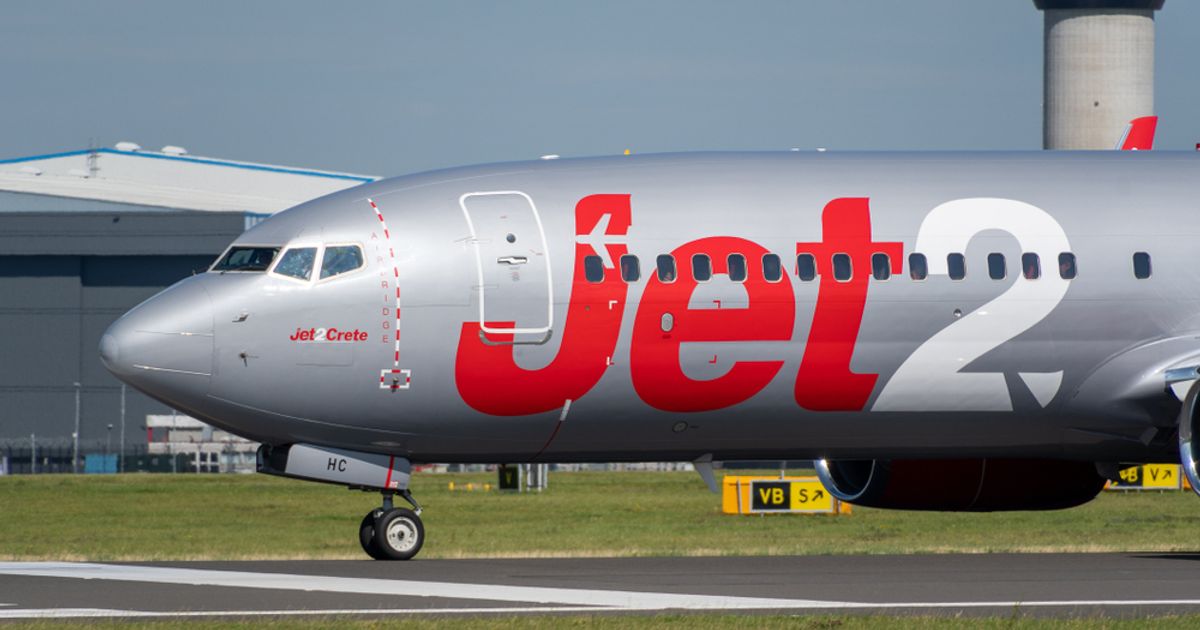
UBS is constructive on European airlines for 2026, flagging cheaper jet fuel, falling inflation, lower interest rates and sustained travel demand as supportive drivers while noting yields should be broadly flat. The bank highlights UK-listed names with buy ratings on Jet2, Ryanair and Wizz Air (Ryanair aided by ongoing buybacks), easyJet seen as attractively valued, while IAG is a sell and Air France‑KLM neutral. UBS expects capacity discipline in early‑2026 with ~5% long‑haul and ~4% short‑haul supply growth, improving MRO and airfreight contributions, and valuations below five‑ and ten‑year averages, although long‑haul pricing and consumer/geopolitical downside risks remain.
Winners are short‑haul low‑cost carriers (RYAAY, WIZZ.L, JET2.L, EZJ.L) which benefit from cheaper fuel, buybacks and package holiday upside; losers are legacy long‑haul carriers (IAG.L, AF.PA) facing loyalty‑scheme risk and weaker pricing power. UBS expects global capacity growth ~4% short‑haul and ~5% long‑haul in H1 2026 and flat yields, implying modest revenue upside but positive operating leverage for the lowest‑cost operators if unit costs fall >5% year‑on‑year.
Competitive dynamics favour network simplification and point‑to‑point LCCs gaining share from transfer/legacy models; margin dispersion should widen by 200–400bp between best and worst operators by end‑2026. Cross‑asset impacts: lower jet fuel weighs on Brent and energy equities but tightens credit spreads for financially stronger LCCs; FX moves (GBP/EUR vs USD) will swing reported earnings +/- mid‑single digits for UK/European carriers.
Tail risks: geopolitical escalation, oil spike >$100/bbl, material loyalty scheme/regulatory changes at IAG or consumer demand shock; these are low‑probability but would quickly invert positioning. Time horizons: immediate (days) volatility around earnings/Avios announcements, short‑term (3–6 months) buyback execution and capacity discipline, long‑term (12–24 months) structural market share shifts and MRO/freight recovery.
Actionable trade canvas: favour high‑quality LCCs and MRO/freight exposure, avoid/short weak long‑haul balance sheets and loyalty‑dependent franchises. The consensus underestimates the optionality from buybacks and holidays revenue — look for mispricings where market cap does not reflect 10–20% EPS recovery potential over 12 months.
AI-powered research, real-time alerts, and portfolio analytics for institutional investors.
Request DemoOverall Sentiment
moderately positive
Sentiment Score
0.45
Ticker Sentiment
