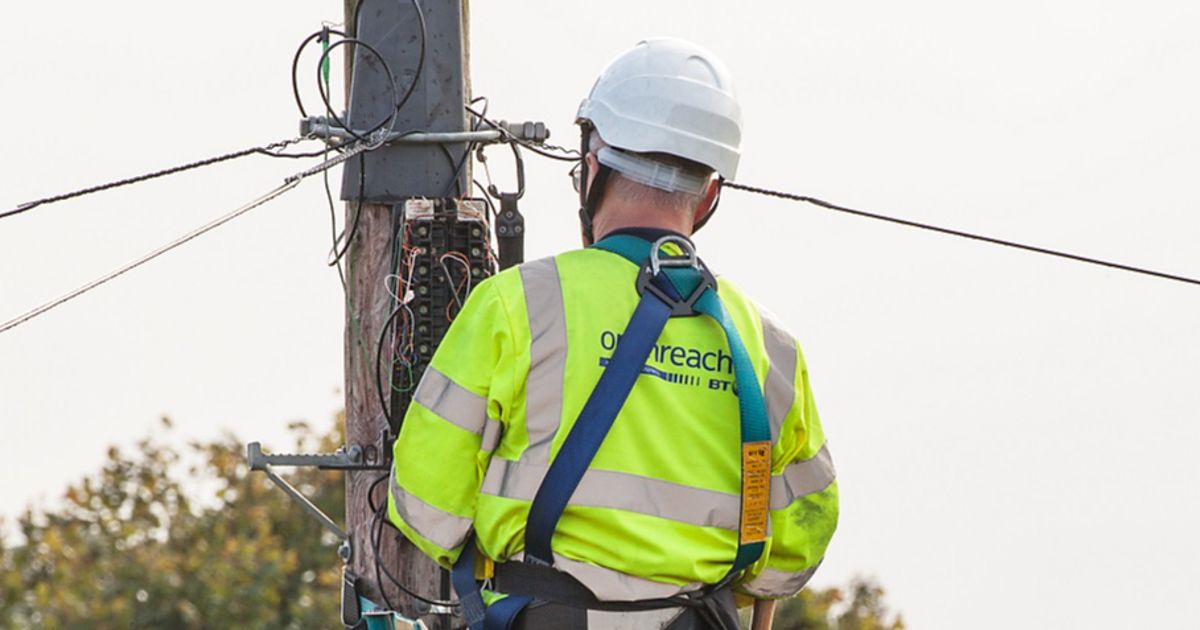
UBS reiterated its 'sell' rating on BT Group, citing five underappreciated risks including increasing broadband competition, potential market disruption from Octopus Energy's possible entry into the mobile market, and pressure on Openreach to cut wholesale prices by up to £1.2 billion. Analyst Polo Tang maintains a 12-month price target of 120p, implying a 31.43% downside, and anticipates downward revisions to consensus estimates due to competitive pressures and continued high capex spending, despite BT's optimistic revenue growth assumptions from FY27.
UBS has reiterated its 'sell' rating for BT Group PLC (LSE:BT.A) with a maintained 12-month price target of 120p, suggesting a significant 31.43% downside from the 175p share price observed at the start of the week of May 28, 2025. This negative outlook, underscored by a strongly negative sentiment score of -0.75, is predicated on five key underappreciated risks highlighted by analyst Polo Tang. Firstly, UBS views BT's guidance for revenue growth from its 2027 financial year as overly optimistic, particularly as competitive pressures are expected to intensify. These pressures include easing CPI-linked price rises offering less uplift, rising broadband infrastructure competition with altnets expanding build targets after securing new financing, mobile virtual network operators (MVNOs) increasing their market share, and persistent declines in BT's legacy Business division, collectively suggesting a downward trajectory for consensus estimates. Secondly, contrary to BT's earlier indications that capital expenditure had peaked, UBS anticipates capex will remain elevated at approximately £5 billion per year for the next two years, driven by Openreach's increased fibre build target to 30 million homes. Thirdly, the analysis points to specific market share threats, such as Sky potentially shifting broadband volumes to CityFibre, which offers wholesale rates 20-30% below Openreach, and high line losses attributable to TalkTalk's subscriber declines and payment delays. Fourthly, a significant disruptive risk emerges from the potential entry of Octopus Energy into the UK mobile market, possibly facilitated by wholesale must-offer remedies tied to the Vodafone/Three UK merger, with concerns that Octopus could disrupt the mobile sector similarly to its impact on the UK energy market where it rapidly gained a 24% market share. Finally, UBS highlights considerable pressure on Openreach to reduce wholesale prices, which could slash EBITDA/FCF by up to £1.2 billion, compounded by uncertainties and potential customer churn linked to the planned PSTN switch-off in January 2027. Despite BT's guidance remaining unchanged, UBS concludes that substantial downside risks to consensus estimates persist.
AI-powered research, real-time alerts, and portfolio analytics for institutional investors.
Request DemoOverall Sentiment
strongly negative
Sentiment Score
-0.75
Ticker Sentiment
