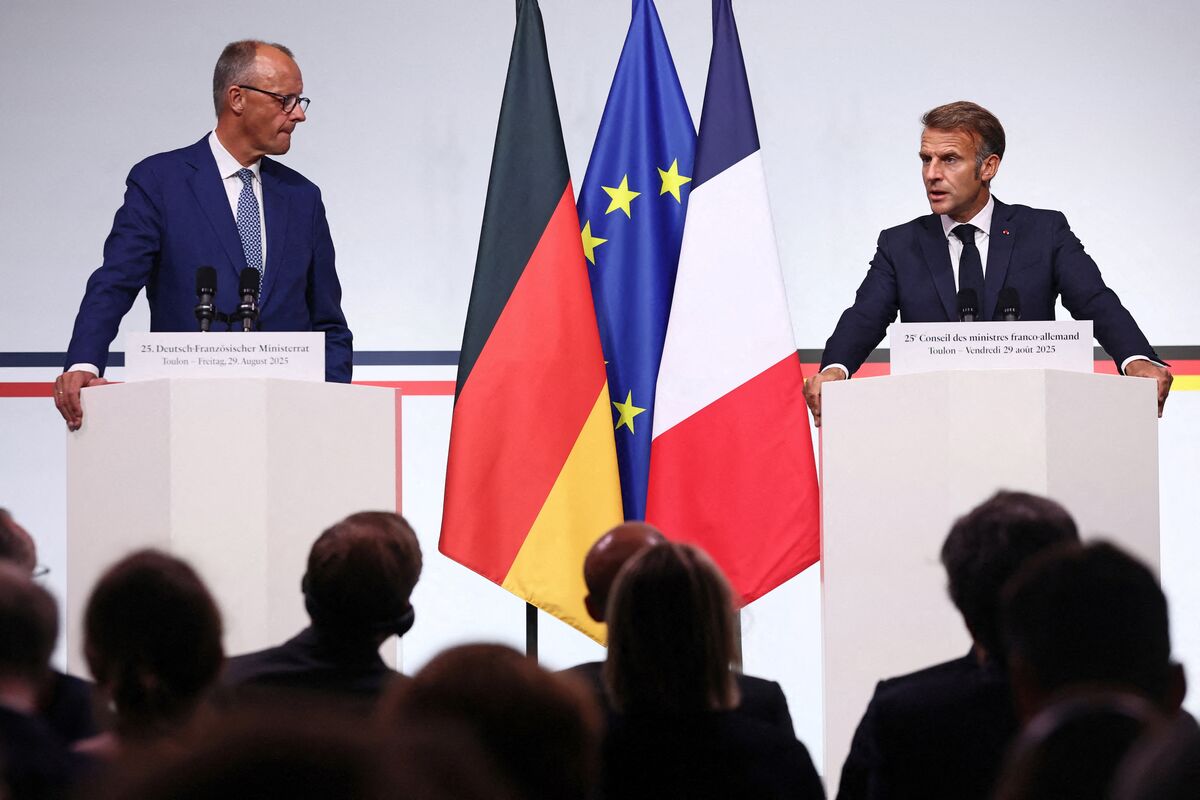
German Chancellor Friedrich Merz and French President Emmanuel Macron are advocating for secondary sanctions targeting companies in third countries that support Russia's war effort. This joint initiative by Europe's two largest economies aims to undermine Russia's war machine and restrict its ability to generate revenue from oil sales, particularly as diplomatic peace efforts falter.
A joint initiative by Germany and France, Europe's two largest economies, signals a potential escalation of economic pressure on Russia. The call for secondary sanctions targets a new frontier: companies in third-party countries that support Moscow's war effort. This hawkish policy shift, aimed specifically at hampering Russia's ability to generate revenue from oil sales, suggests that primary sanctions are perceived as insufficient. The move introduces a significant layer of geopolitical and compliance risk for global firms, particularly in the energy, shipping, and financial sectors that may be involved in facilitating Russian trade. This development, occurring as diplomatic peace initiatives are reportedly faltering, indicates that key European powers are leaning towards more aggressive economic measures to undermine Russia's war-making capabilities, which could have disruptive effects on global energy markets and international trade relationships.
AI-powered research, real-time alerts, and portfolio analytics for institutional investors.
Request DemoOverall Sentiment
moderately negative
Sentiment Score
-0.50
