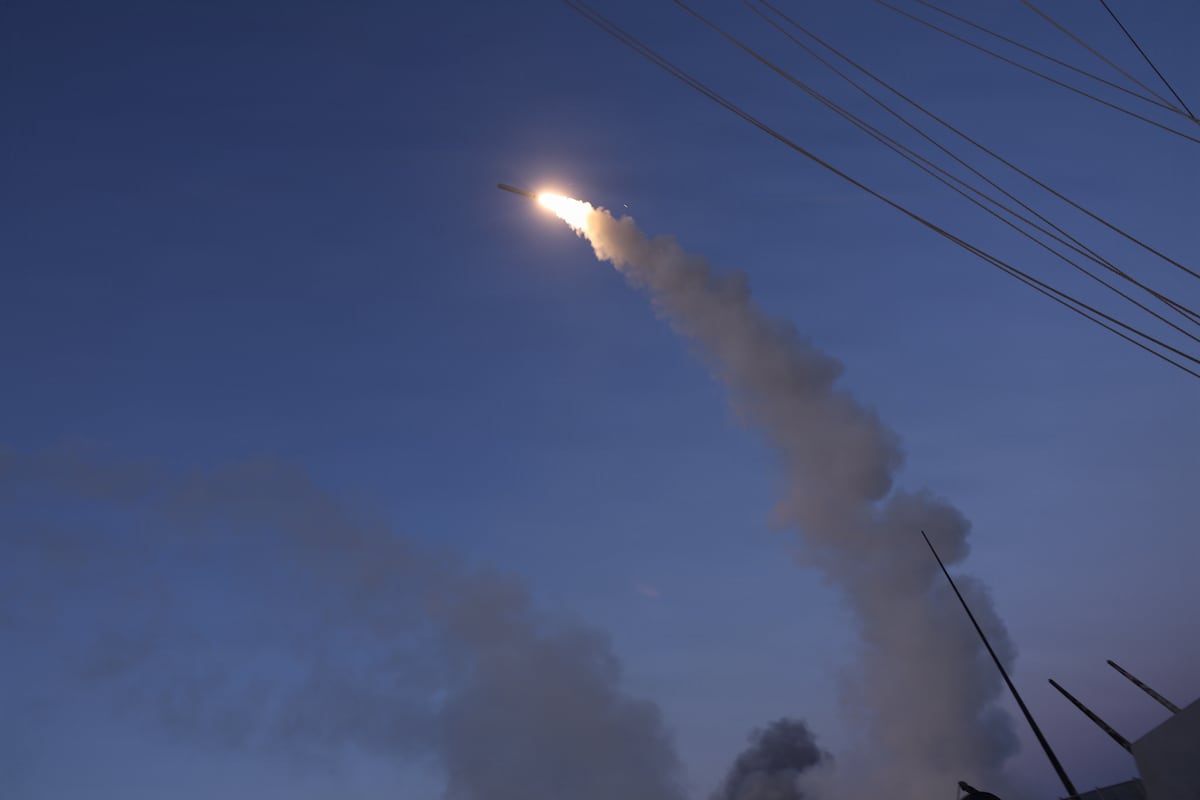
JS Chokai is now capable of launching U.S. Tomahawk cruise missiles after a launcher refit; Japan committed to acquiring 400 Tomahawks last year to arm eight Aegis destroyers. Tomahawks have a range >1,600 km (Japanese variant supports in-flight re-routing and moving targets) and the refit supports Block IV and V; live-fire training is scheduled for August with return to Sasebo in September. U.S. manufacturer RTX has signed agreements to boost Tomahawk production to >1,000 units annually, partially mitigating concerns that recent high operational use (~800 missiles used in four weeks in Operation Epic Fury) could strain allied orders.
This capability shift creates a durable multi-year revenue stream for prime missile manufacturers and their systems integrators that goes beyond unit sales — installation, software integration, crew training, spares and long‑term sustainment will likely be 30–50% of program lifetime revenues, pushing margin mix toward higher aftermarket services if execution is clean. Prioritization policies from the supplier’s government customer set will compress near‑term availability for other theaters, creating a timing arbitrage: order books will firm but recognized revenue will be staggered over several delivery cycles.
Second‑order beneficiaries include specialist avionics, inertial/navigation chipset suppliers, and shipyard modification contractors; these firms face a multi‑quarter bump in demand that can crowd out commercial projects and extend qualified‑parts lead times by 6–18 months. Expect subcontractors with dual military/commercial lines to reprice backlog, creating temporary pricing power and margin upside for smaller defense electronics names.
Key risks are operational (production ramp and supplier qualification), geopolitical (regional escalation triggering export controls or reprioritization), and demand‑side (sustained operational use elsewhere that draws down inventories). Timing matters: execution and deliveries play out over quarters-to-years, so near‑term stock moves will be driven more by order announcements and delivery cadence updates than by strategic statements.
Contrarian view: the market underestimates the recurring aftermarket services opportunity while overestimating immediate earnings upside from munitions alone. A patient multi‑quarter position that monetizes option convexity around delivery milestones captures upside if production scales without notable supply‑chain slippage while limiting downside if timelines slip.
AI-powered research, real-time alerts, and portfolio analytics for institutional investors.
Request DemoOverall Sentiment
neutral
Sentiment Score
0.05
Ticker Sentiment
