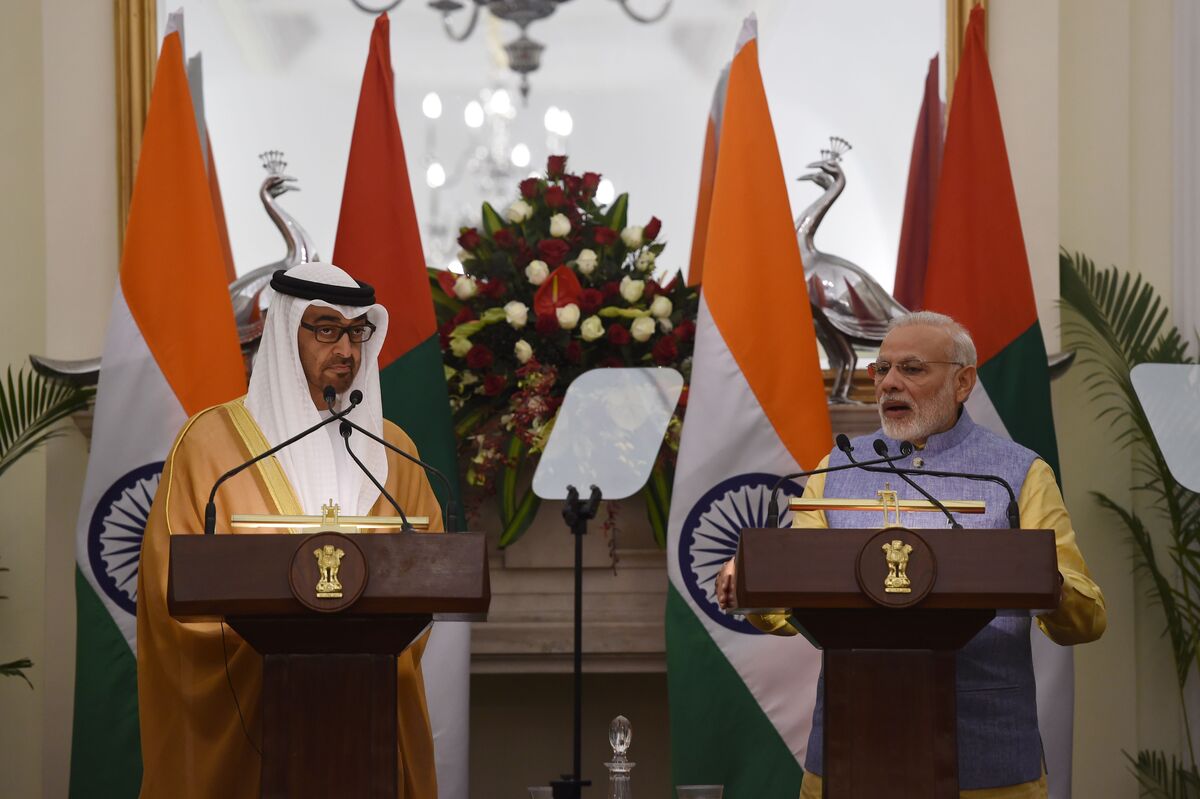
Energy security is set to dominate Prime Minister Narendra Modi’s UAE visit, as India seeks to secure stable supplies amid rising geopolitical tensions in West Asia. The two sides will also look to deepen trade and investment ties, with this marking the leaders’ second one-on-one meeting in five months. The article is broadly factual and points to ongoing diplomatic engagement rather than an immediate market-moving development.
This is less about a ceremonial bilateral and more about India trying to de-risk its marginal barrel mix. The strategic implication is that New Delhi is signaling willingness to pay a small premium for reliability and payment-channel flexibility, which should modestly support Gulf producers with strong sovereign links while pressuring suppliers that depend on India’s spot-sensitive purchasing behavior. The second-order effect is on freight, insurance, and term-contract negotiation power: the market may be underestimating how much geopolitical stress can shift demand from opportunistic spot buying toward longer-dated arrangements.
For energy markets, the near-term impact is likely muted on outright prices but meaningful for spread structure. If India locks in more UAE-linked supply, the benefit accrues to Middle East grades and integrated exporters with Asia exposure, while Atlantic Basin exporters and traders with less diplomatic optionality lose some incremental demand elasticity. Over months, this can reduce the probability that India becomes a swing buyer of discounted distressed barrels from sanctioned or conflict-exposed exporters, which is a subtle tightening of the “floor” under compliant crude demand.
The bigger risk is not a demand surge but an interruption premium repricing if West Asia tensions worsen. That would show up first in prompt-dated Brent structure, refined product cracks, and shipping/insurance costs rather than headline spot crude alone. Conversely, if regional tensions cool or sanctions enforcement eases, the premium embedded in these defensive sourcing efforts will fade quickly and the market may retrace the geopolitical bid within weeks.
Consensus is likely underpricing the industrial policy angle: India is not just securing energy, it is building a resilience framework that may spill into LNG, petrochemicals, and even downstream manufacturing financing. That means the durable winners are firms with multi-year contractability and sovereign-backed infrastructure, not necessarily the highest beta oil producers. The tradeable message is to favor quality, balance-sheet strength, and contract visibility over pure commodity exposure.
AI-powered research, real-time alerts, and portfolio analytics for institutional investors.
Request DemoOverall Sentiment
neutral
Sentiment Score
0.05
