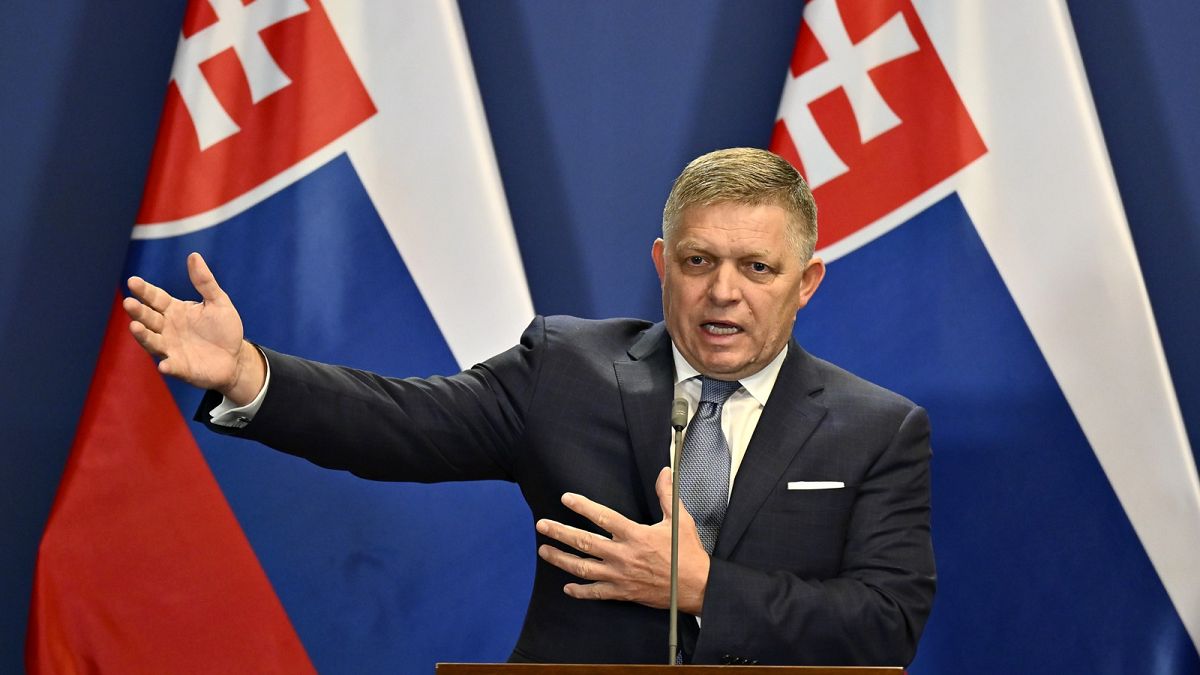
Slovakia is maintaining its veto on the EU's latest Russia sanctions package, citing concerns over the proposed 2027 phase-out of Russian fossil fuels which it claims would cause significant economic harm and energy security risks, including a potential €16-€20 billion lawsuit from Gazprom. While the EU is offering technical assistance for energy diversification, it has not committed to direct financial compensation, leading to an ongoing diplomatic impasse that delays further sanctions on Moscow and highlights internal EU divisions on energy transition and burden sharing. Bilateral talks continue, with a resolution sought before next week's ministerial meeting.
Slovakia's continued veto of the European Union's latest sanctions package against Russia represents a significant internal EU political fracture, driven by national economic interests rather than opposition to the sanctions themselves. The core of the dispute is Slovakia's objection to a separate EU proposal to phase out all Russian fossil fuels by 2027, a policy Bratislava fears will jeopardize its energy security, raise consumer prices, and expose it to a potential €16 billion to €20 billion lawsuit from Gazprom for breaching a long-term contract that extends to 2034. While the European Commission has offered technical assistance for energy diversification and argued that the ban would constitute 'force majeure' against legal claims, it has pointedly refrained from offering direct financial compensation from a strained EU budget. This diplomatic impasse delays the application of further economic pressure on Moscow and highlights the structural challenge of the EU's unanimity requirement for foreign policy, exposing deep divisions over burden-sharing in the energy transition and geopolitical strategy.
AI-powered research, real-time alerts, and portfolio analytics for institutional investors.
Overall Sentiment
moderately negative
Sentiment Score
-0.45
