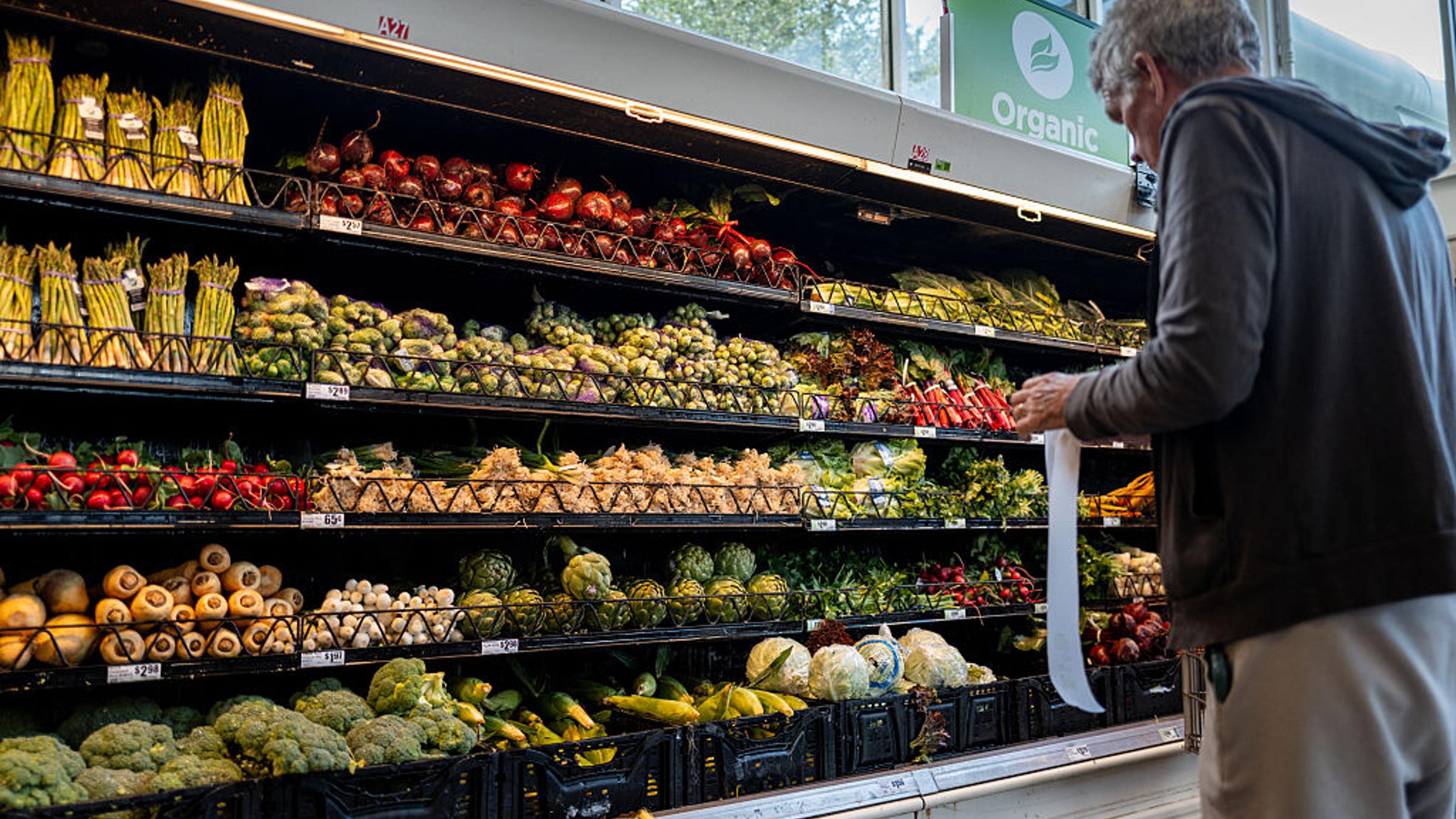
U.S. inflation accelerated to a three-year high of 3.8% in April, with wages rising more slowly at 3.6%, as the Iran war and tariffs pushed up fuel, food, and clothing costs. Energy prices jumped 17.9% year over year, gasoline rose 28.4%, grocery prices increased 2.9%, and fresh fruits and vegetables climbed 6.1%. The article suggests elevated shipping and supply-chain costs could keep consumer prices under pressure even if the conflict ends soon.
The immediate market implication is not just higher input costs, but a delayed margin squeeze that will show up first in discretionary retailers with low pricing power and heavy import exposure. TGT is vulnerable because food and consumables traffic may hold up while basket mix degrades: consumers trade down into essentials, but the company is still forced to reprice apparel, home, and seasonal categories into a demand-negative environment. That creates a classic double hit — weaker units plus higher freight, labor, and inventory carrying costs — which can pressure gross margin before revenue visibly rolls over. The second-order effect is competitive dispersion. Operators with domestic sourcing, shorter lead times, or stronger vendor terms can preserve share by absorbing part of the inflation shock, while import-heavy general merchandisers and apparel chains will be forced into either margin sacrifice or higher shelf prices. If fuel stays elevated for another 1-2 quarters, the winners are likely to be food-at-home, discount, and private-label channels; the losers are mid-tier retailers whose customers are already stretched and whose assortment is most exposed to tariff and freight pass-through. The catalyst path matters: energy-driven inflation hits headline numbers quickly, but margin compression and traffic deterioration lag by 1-2 reporting cycles. That means the next earnings season is likely the first clean read-through, with guidance risk more important than current quarter comps. A reversal would require either a durable de-escalation in the Iran conflict, a sharp easing in shipping/fuel costs, or a policy pivot on tariffs — all of which look unlikely on a days-to-weeks horizon. Contrarianly, the market may be underestimating how much of this is a demand shock disguised as inflation. Once staples and fuel crowd out discretionary spend, retailers can experience recession-like unit weakness even if nominal sales hold up. The setup is more bearish for TGT than for the broader market because investors often model inflation as a neutral revenue lift, but in a low-income, value-sensitive customer base it usually transmits first into mix deterioration and later into markdowns.
AI-powered research, real-time alerts, and portfolio analytics for institutional investors.
Request DemoOverall Sentiment
strongly negative
Sentiment Score
-0.78
Ticker Sentiment
