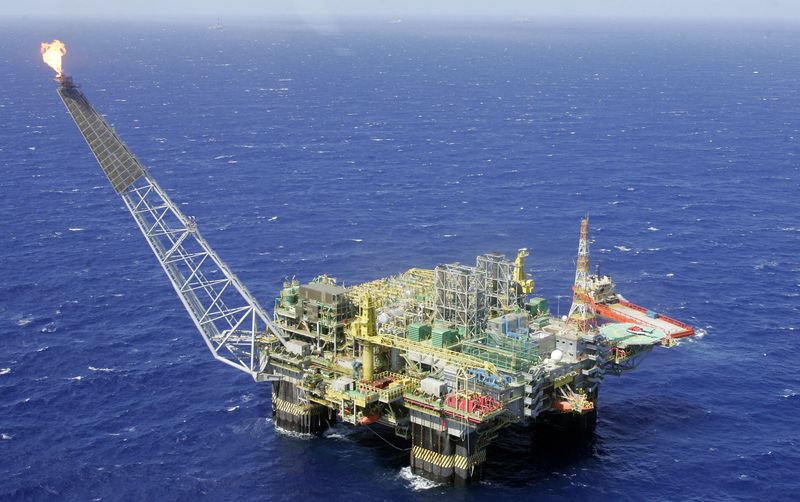
Aker BP reported first-quarter net profit of $758 million, up from $316 million a year earlier, helped by stronger crude prices and a $522 million impairment reversal tied mainly to the Valhall area. EBITDA slipped to $2.66 billion from $2.80 billion and production fell 10% year on year to 398,400 boepd, but the company reiterated 2026 output guidance of 370,000-400,000 boepd and capex of $6.2 billion-$6.7 billion. It also maintained its quarterly dividend at $0.6615 per share.
The sharp move lower in crude is a near-term tax cut for refiners, airlines, petrochemical users, and broad cyclicals, but the bigger implication is that geopolitics is again re-anchoring the oil market around policy headlines rather than physical balances. If de-escalation in the Gulf proves durable, the supply-risk premium can bleed out quickly, and producers with high beta to realized pricing will see multiple compression before earnings estimates fully reset. The market is likely underestimating how fast this can hit second-half upstream cash flow assumptions, especially for names whose hedge books are thin.
For Aker BP specifically, the operating story remains constructive, but the equity now faces a less obvious headwind: when prices fall, the market usually discounts project sanction discipline and replacement-cost logic before it cares about near-term dividends. That makes the company’s longer-dated growth projects more valuable as narrative support than as immediate earnings drivers; however, the stock can still de-rate if Brent weakness persists for several weeks and sell-side models start cutting 2026/27 FCF. The impairment reversal tells you management is benefiting from higher short-term price decks, which is exactly the kind of accounting tailwind that can reverse abruptly if the strip stays soft.
The contrarian read is that the move may be too fast relative to physical supply response. Hormuz risk rarely disappears; it typically compresses into a lower probability but higher tail intensity regime, meaning spot prices can overshoot lower on diplomacy headlines even while shipping insurance, optionality, and regional defense premiums stay bid. That creates a window where upstream equities can underperform crude for a few sessions, then recover if the market realizes the pricing move has outrun fundamental inventory changes.
The best second-order trade is to fade the crude selloff only selectively: the first beneficiaries are downstreams and fuel consumers, while high-beta E&Ps and North Sea producers are most exposed to estimate cuts. Watch for confirmation from time spreads and tanker rates; if prompt spreads weaken and freight normalizes, the move is more than headline-driven and could persist for 1-2 months.
AI-powered research, real-time alerts, and portfolio analytics for institutional investors.
Request DemoOverall Sentiment
mildly positive
Sentiment Score
0.25
