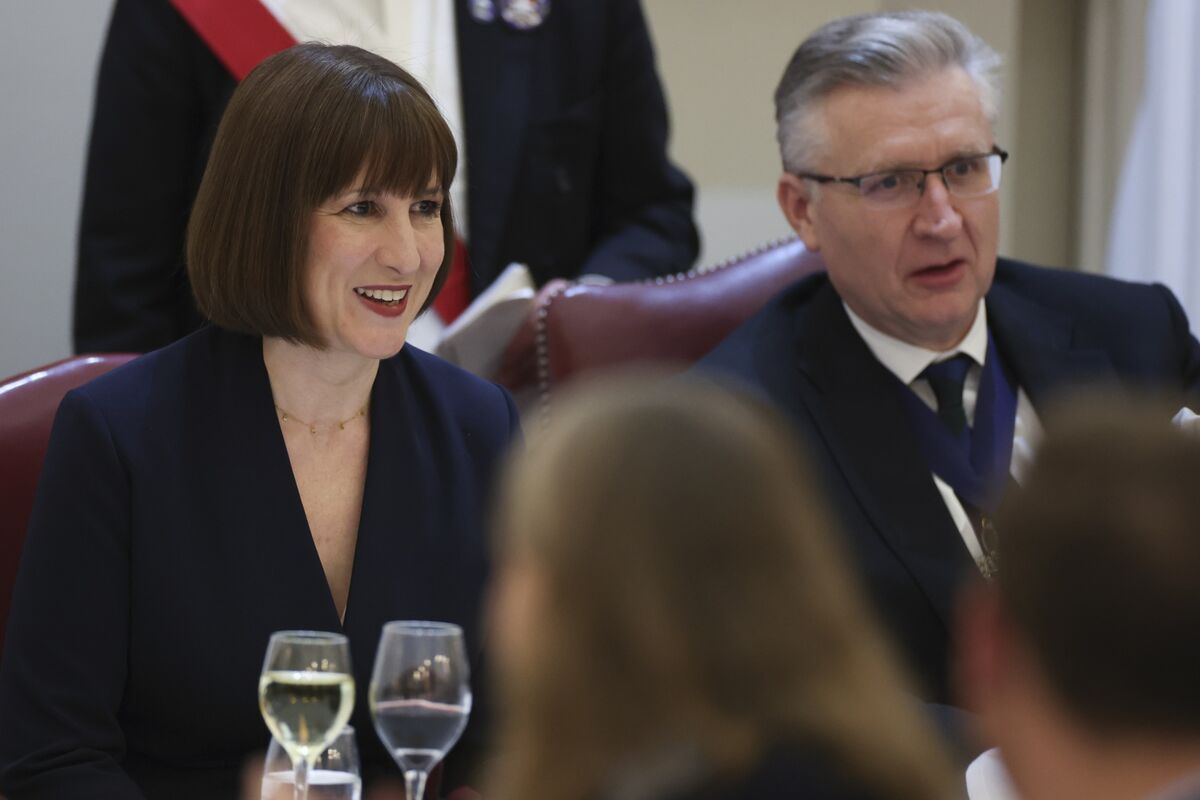
Labour's Shadow Chancellor, Rachel Reeves, has reportedly committed to not increasing the three main revenue-raising taxes, a strategic decision aimed at avoiding past electoral defeats attributed to high-tax perceptions. This pre-election stance, despite internal warnings about tight public finances, suggests a potential future fiscal constraint for a Labour government, potentially limiting spending or necessitating alternative revenue generation or expenditure cuts.
Rachel Reeves, the UK's Shadow Chancellor, has strategically committed to not increasing the three main revenue-raising taxes, a move designed to neutralize historical political vulnerabilities for the Labour party. This decision, made despite internal warnings about the UK's tight public finances, prioritizes electoral viability over post-election fiscal flexibility. While this stance may de-risk Labour's election campaign by preventing 'tax bombshell' accusations, it significantly constrains a potential future government. The self-imposed fiscal box implies that addressing public spending needs or budget deficits would require either substantial expenditure cuts or the pursuit of alternative, less direct revenue sources, such as changes to tax reliefs, windfall levies, or other forms of wealth taxation. This pre-election pledge creates a notable forward-looking uncertainty around the UK's fiscal trajectory, shifting the focus from headline tax rates to the specifics of spending plans and non-core tax policies.
AI-powered research, real-time alerts, and portfolio analytics for institutional investors.
Request DemoOverall Sentiment
mixed
Sentiment Score
-0.10
