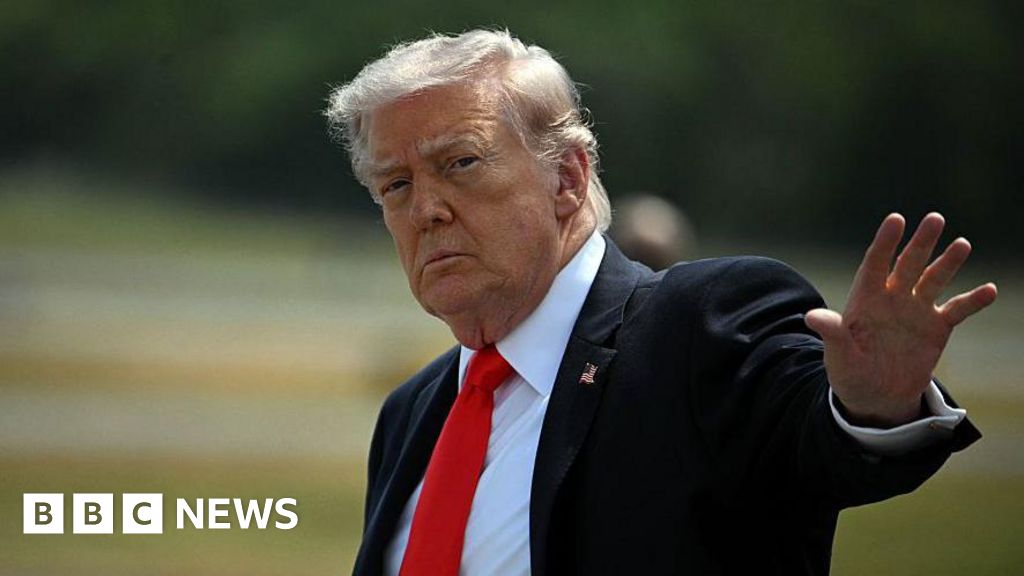
Trump said the US will begin 'Project Freedom' on Monday to guide stranded vessels through the Strait of Hormuz, with 15,000 personnel, guided-missile destroyers and 100+ aircraft reportedly involved. The move underscores heightened conflict risk around a route that carries about 20% of global oil and LNG flows, while Iran has further restricted traffic and the conflict has already pushed energy prices higher. The UKMTO also reported a tanker hit by an unknown projectile, adding to near-term shipping and energy-market disruption.
The market is underpricing how quickly a “security escort” narrative can morph into a de facto maritime chokepoint premium. If the U.S. is effectively inserting military protection into one of the world’s busiest energy lanes, the immediate winner is not oil producers per se but insurers, naval/defense contractors, and select non-U.S. energy exporters that can arbitrage disrupted Gulf flows. The loser set is broader: Asian refiners, LNG importers, and container/shipping names with exposure to Gulf-origin cargoes face not just higher bunker and war-risk premia, but also schedule slippage that can ripple through working capital and inventory planning for 1–2 quarters. The key second-order effect is that a “humanitarian” escort is still militarization, which raises the probability of miscalculation rather than resolving it. That makes the path dependency asymmetric: every additional vessel movement creates more touchpoints for an incident, and one successful hit on a tanker or escort ship would reprice crude, LNG, and freight in hours, while diplomatic de-escalation would take weeks to bleed through. The biggest macro transmission is via Asia’s energy balance sheet: higher delivered LNG prices force marginal coal-to-gas switching back toward coal in the near term, while a sustained disruption can push regional utilities into emergency procurement mode. The contrarian angle is that the current move may be too headline-sensitive relative to actual physical tightness. A large portion of the price shock can fade if routing, storage drawdowns, and insurance pass-throughs prove manageable, but that only matters if no fresh incidents occur. The real trade is not “war or peace”; it is whether the market pays for persistent optionality on interruption risk over the next 2–6 weeks. That favors owning convexity rather than outright beta. For equities, defense and maritime-security contractors could see a multi-week bid as budgets and procurement urgency rise, while carriers with Gulf exposure face margin compression from higher risk premiums and idle time. Energy equities may outperform initially, but integrateds with downstream exposure can lag if crude volatility outpaces product pricing and if demand destruction shows up in Asia by the next quarter. Sanctions and export-control complexity also increases the odds of vessel detentions, payment delays, and compliance costs for commodity traders, creating a winners’ circle in firms with strong risk management and alternative route optionality.
AI-powered research, real-time alerts, and portfolio analytics for institutional investors.
Request a DemoOverall Sentiment
strongly negative
Sentiment Score
-0.55
