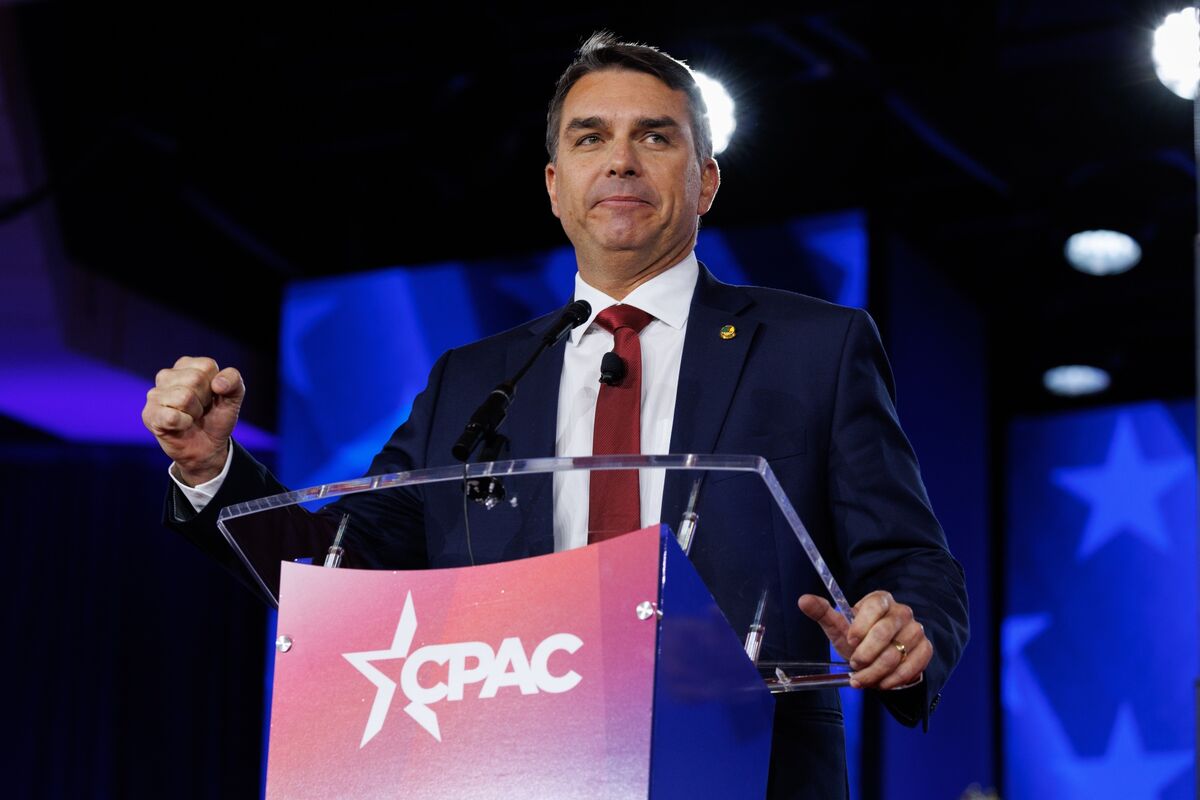
Flavio Bolsonaro denied that money sought from a scandal-plagued banker was intended for his younger brother, saying the funds were meant to support a film about his father, Jair Bolsonaro. The story adds reputational and legal pressure to his fledgling presidential campaign as scrutiny intensifies around the banker’s fraud probe. The article is politically relevant but unlikely to have broad market impact.
This is less a headline about one politician’s credibility than a reminder that Brazil’s 2026 policy premium is becoming increasingly contingent on legal and reputational spillovers inside the opposition bloc. The immediate market impact is likely to be muted, but the second-order effect is a higher probability that Bolsonaro-linked candidacies and fundraising channels become a source of headline risk, which tends to widen risk premia for domestic assets when surveys tighten. In practice, that means any rally in Brazil risk assets tied to a clean anti-incumbent transition may be vulnerable to periodic drawdowns as litigation and ethics allegations keep the campaign off-message. The bigger winner is the incumbent camp, because governance controversies on the right reduce the odds of a disciplined market-friendly opposition narrative. Over the next several weeks, the key catalyst is not the accusation itself but whether prosecutors, electoral authorities, or new witness statements convert this from reputational noise into an actionable legal overhang; that would extend the story from days into months. If that happens, the market will likely price a lower probability of aggressive fiscal reform and a higher probability of policy drift, pressuring duration-sensitive Brazilian assets first. The contrarian view is that the market may be overestimating the durability of this distraction. In Brazil, voters often compartmentalize corruption headlines unless they map directly to living standards, and a scandal can fade quickly if the opposition shifts back to inflation, crime, or taxes. That argues for treating any near-term weakness in Brazil proxies as a tradable event risk rather than a structural regime change unless the legal process escalates materially.
AI-powered research, real-time alerts, and portfolio analytics for institutional investors.
Request DemoOverall Sentiment
mildly negative
Sentiment Score
-0.30
