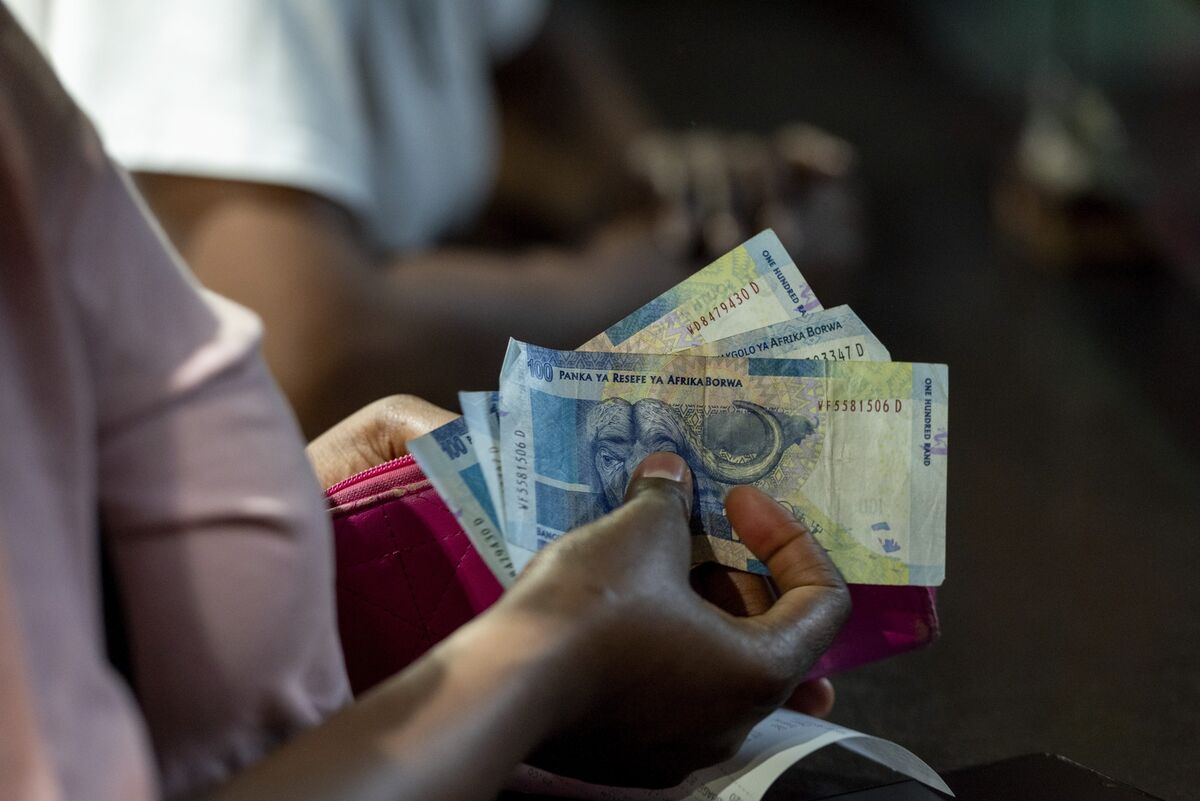
The South African rand strengthened 0.9% to 18.06 per dollar on Friday, halting its longest losing streak since 2022, after a key report indicated a significant cooling in the US labor market. This rebound provides a reprieve for the currency, which had been under recent pressure from President Trump's proposed 30% tariffs on South Africa’s exports to the US.
The South African rand (ZAR) experienced a notable rebound, strengthening 0.9% against the US dollar to 18.06, thereby halting its most prolonged losing streak since 2022. The direct catalyst for this recovery was a US labor market report indicating a sharp cooling, which typically dampens expectations for US Federal Reserve hawkishness and weakens the dollar's relative appeal. This provides a temporary reprieve for the currency, which has been under significant pressure from a major geopolitical headwind: a proposed 30% tariff on South African exports by the US. The rand's current valuation reflects a tension between positive short-term macro data from the US and a significant, unresolved medium-term trade policy risk. The currency's recent gains are therefore fragile and highly susceptible to shifts in US economic data or any further developments regarding the proposed tariffs.
AI-powered research, real-time alerts, and portfolio analytics for institutional investors.
Request DemoOverall Sentiment
moderately positive
Sentiment Score
0.50
