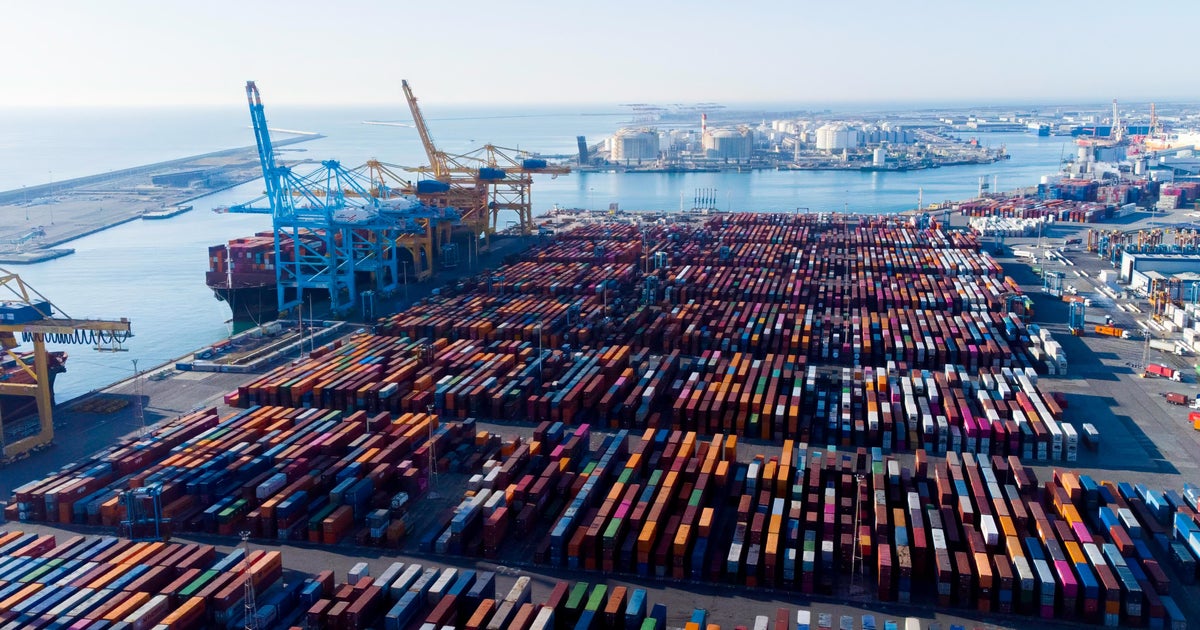
President Trump's latest tariff threats, including a potential 30% levy on EU and Mexican goods effective August 1st, have significantly heightened global trade tensions and disrupted ongoing negotiations with Brussels. While European markets largely declined in response, EU officials indicated a preference for a negotiated solution by the August 1st deadline, simultaneously preparing potential countermeasures. This situation underscores persistent market uncertainty as trade partners navigate the threat of escalating duties.
Heightened global trade uncertainty is driving market sentiment following President Trump's threat to impose 30% tariffs on the European Union and Mexico, effective August 1. This move disrupts ongoing negotiations and compounds previous threats targeting commodities and other nations, creating a complex and unpredictable trade environment. European markets, particularly in Frankfurt and Paris, reacted negatively, reflecting direct economic exposure. In response, EU officials are pursuing a dual strategy: publicly favoring a negotiated solution before the deadline while simultaneously preparing retaliatory countermeasures, which preserves the risk of a significant escalation. The market's state of "resilience or complacency," as noted by National Australia Bank, underscores the difficulty in pricing this headline risk while talks are ongoing. Amidst this geopolitical turmoil, Bitcoin surged to a new record high of $123,205, suggesting a potential flight to alternative assets. This dynamic is further complicated by President Trump's public criticism of the Federal Reserve, intertwining trade disputes with monetary policy uncertainty.
AI-powered research, real-time alerts, and portfolio analytics for institutional investors.
Overall Sentiment
moderately negative
Sentiment Score
-0.40
Ticker Sentiment
