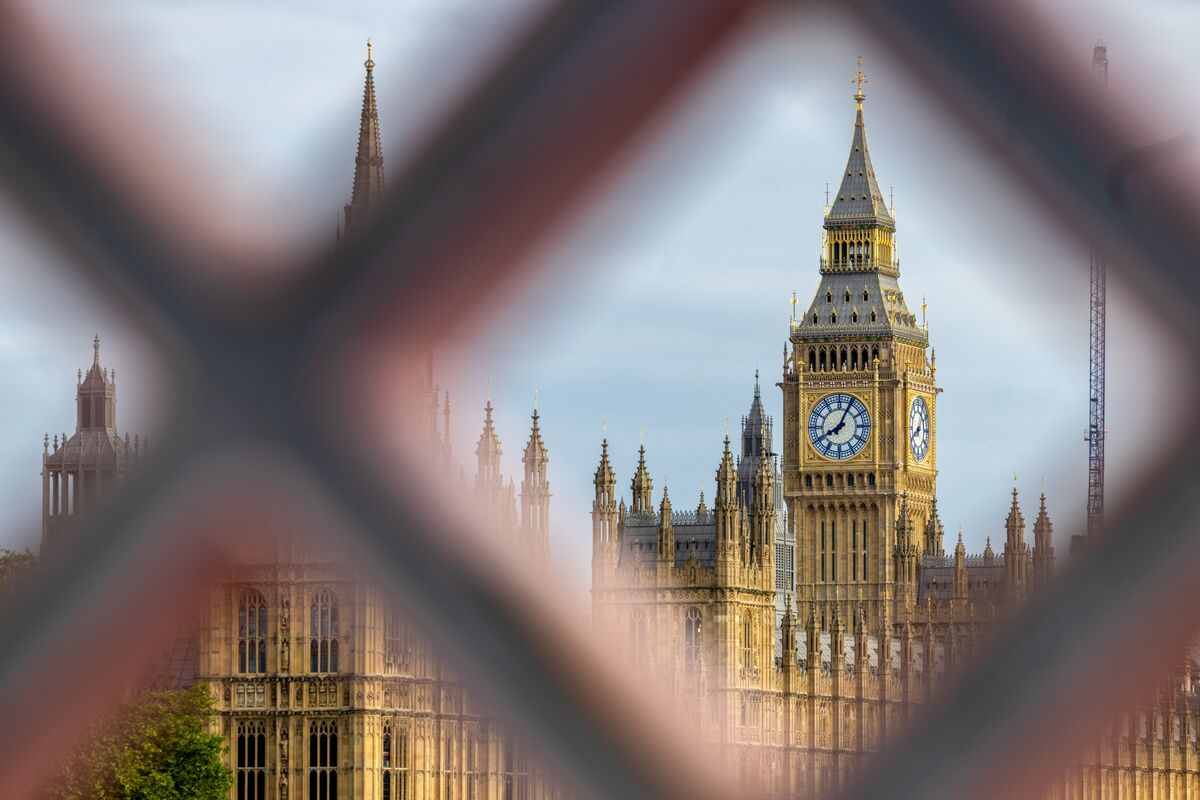
UK Labour leader Keir Starmer faces a significant leadership challenge as 108 Members of Parliament, including over 100 Labour backbenchers, have signed an amendment to block the proposed £5 billion ($6.8 billion) cut to disability benefits. This internal rebellion, led by Treasury Select Committee Chairwoman Meg Hillier, directly threatens a key component of Chancellor Rachel Reeves' fiscal plans. The substantial cross-party support could defeat the government's proposal, signaling potential instability in future UK fiscal policy and testing Starmer's authority less than a year into his leadership.
The UK government's fiscal agenda is facing a significant internal challenge that introduces uncertainty into its policy trajectory. A core component of Chancellor Rachel Reeves' fiscal plan, a £5 billion cut to disability benefits, is at risk of being blocked by a rebellion within the ruling Labour party. The opposition is substantial, with over 100 Labour backbenchers signing an amendment, a figure sufficient to defeat the government's proposal if supported by opposition parties. This development constitutes a critical test of Prime Minister Keir Starmer's leadership and party control early in his tenure. A legislative defeat would not only derail a key fiscal measure but could also signal broader instability and difficulty in implementing future budget and spending plans, justifying the moderately negative sentiment and uncertain tone associated with this event.
AI-powered research, real-time alerts, and portfolio analytics for institutional investors.
Request DemoOverall Sentiment
moderately negative
Sentiment Score
-0.40
