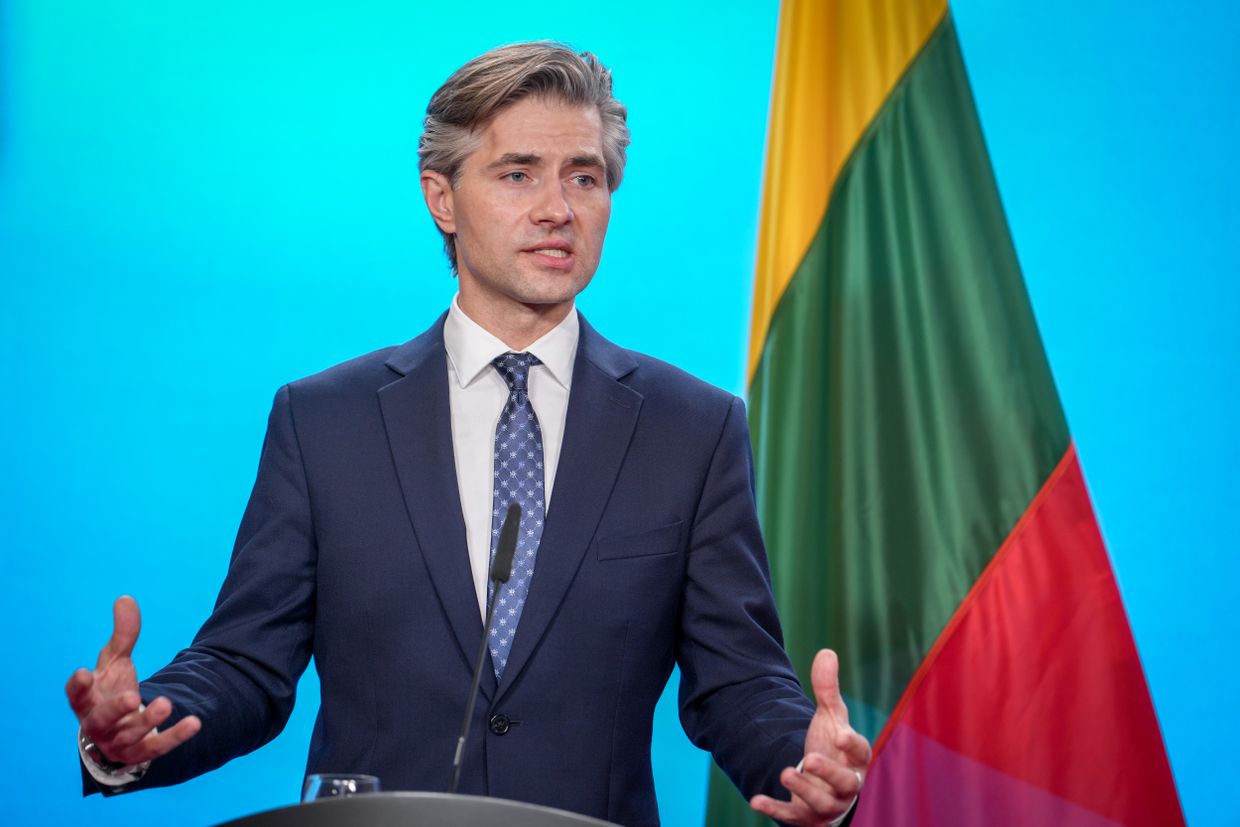
Several European leaders, including the Foreign Ministers of Lithuania and Estonia, are urging the EU to implement harsher sanctions against Russia in its upcoming 18th sanctions package, targeting energy, LNG, oil, nuclear fuel exports, financial institutions, and the military industry. These calls follow the adoption of the 17th package on May 20, which primarily targeted Russia's shadow fleet of oil tankers, and reflect frustration with Russia's continued rejection of ceasefire proposals. Ukrainian President Zelensky echoed these calls, while the lack of new U.S. sanctions, reportedly due to concerns about hindering future business opportunities with Moscow, has fueled further frustration among European allies.
European Union member states, notably Lithuania and Estonia, are advocating for a significantly more robust 18th sanctions package against Russia, driven by Moscow's continued refusal to agree to a ceasefire. This push for intensified restrictive measures follows the EU's adoption of its 17th sanctions package on May 20, which primarily focused on Russia's shadow fleet of oil tankers. Lithuanian Foreign Minister Kestutis Budrys and Ukrainian President Volodymyr Zelensky have explicitly called for the new sanctions to target critical sectors of the Russian economy, including energy exports like LNG and oil, nuclear fuel, financial institutions, and the military-industrial complex. This unified European stance and preparation for further sanctions contrasts sharply with the current U.S. position. Reports indicate that U.S. President Donald Trump is hesitant to impose new sanctions, citing concerns that such actions could impede future business and trade opportunities with Russia, a stance that has reportedly caused frustration among European allies. The situation underscores escalating geopolitical tensions and a potential divergence in Western policy towards Russia, with direct implications for energy markets, trade flows, and financial stability.
AI-powered research, real-time alerts, and portfolio analytics for institutional investors.
Overall Sentiment
Negative
Sentiment Score
-0.30
Ticker Sentiment
