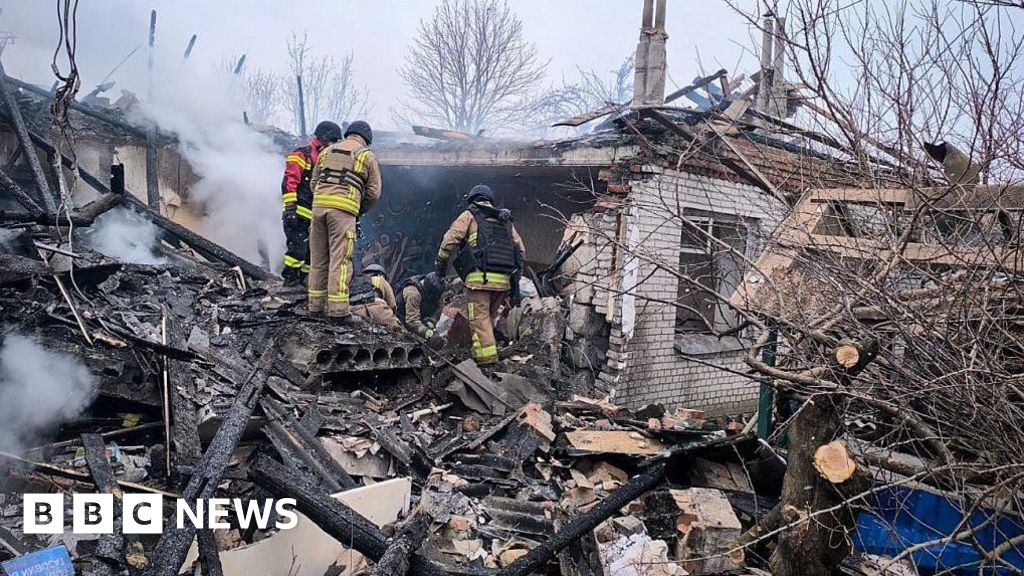
Russia and Ukraine held a US-mediated round of talks in Geneva amid ongoing large-scale strikes that saw Russia launch roughly 400 drones and nearly 30 missiles across 12 regions, killing at least three and causing widespread damage to power and transport infrastructure. Ukrainian authorities report major damage to Odesa's power grid and severe hits to energy assets—DTEK warned of prolonged outages—and an oil refinery in Russia's Krasnodar region caught fire after a Ukrainian drone strike. With Moscow maintaining maximal territorial demands and Kyiv insisting on Western security guarantees before any settlement, the conflict is likely to sustain elevated geopolitical risk, energy-supply disruption and a risk-off market stance until clear diplomatic progress is achieved.
Market structure: Continued heavy strikes and 400-drone/30-missile raids reinforce sustained upside pressure on energy and defense pricing while crushing Ukrainian infrastructure and regional trade flows. Winners: US/EU defense primes (LMT, RTX, GD), LNG exporters (Cheniere LNG) and liquid fuels (XOM/CVX) via higher realized margins; losers: Ukrainian sovereign debt/equities, regional utilities and rail/logistics operators, and insurers facing higher claims. Cross-asset: risk-off episodes will push USD and US Treasuries up, widen EM/Europe credit spreads, lift gold and energy commodities; implied equity vols should spike near anniversaries/catalyst dates.
Risk assessment: Tail risks include NATO entanglement or Russian counter-escalation that causes a >10% shock to Brent within days (high impact, low probability) and extended power-grid outages in Ukraine that can compress crop exports for a season. Time horizons: immediate (days) = volatility spikes/VIX +5–15 pts; short-term (weeks–months) = energy cash/backwardation and LNG cargo re‑routing; long-term (quarters–years) = higher baseline defense budgets and re‑shoring supply chains. Hidden dependencies include winter fuel inventories, insurance market capacity, and sanctions logistics (tankers/insurance) that can amplify price moves.
Trade implications: Favor conviction in defence equities and selective energy producers with 6–18 month horizons; use options to control entry (12‑month LEAPs or call spreads). Hedge directional equity risk with GLD/TLT and buy corridor protection around key dates (Feb anniversary, NATO/US election windows). Relative trades: long US defense vs short European travel/airline names; long LNG exporters vs short European utilities with Ukraine exposure.
Contrarian angles: Consensus assumes perpetual energy tightening; if sanctions logistics stabilize and Russian flows find workarounds, oil could retrace 10–20% within 3–6 months — avoid naked long commodity bets. Markets may have over-bid miners and gold in the immediate knee‑jerk; targeted short-term profit-taking on miners after >15% run could be warranted. Historical parallels (2014 sanctions) suggest multi-year defense capex uplift, so patient multi-quarter exposure in primes is preferred to tactical commodity punts.
AI-powered research, real-time alerts, and portfolio analytics for institutional investors.
Request DemoOverall Sentiment
strongly negative
Sentiment Score
-0.65
