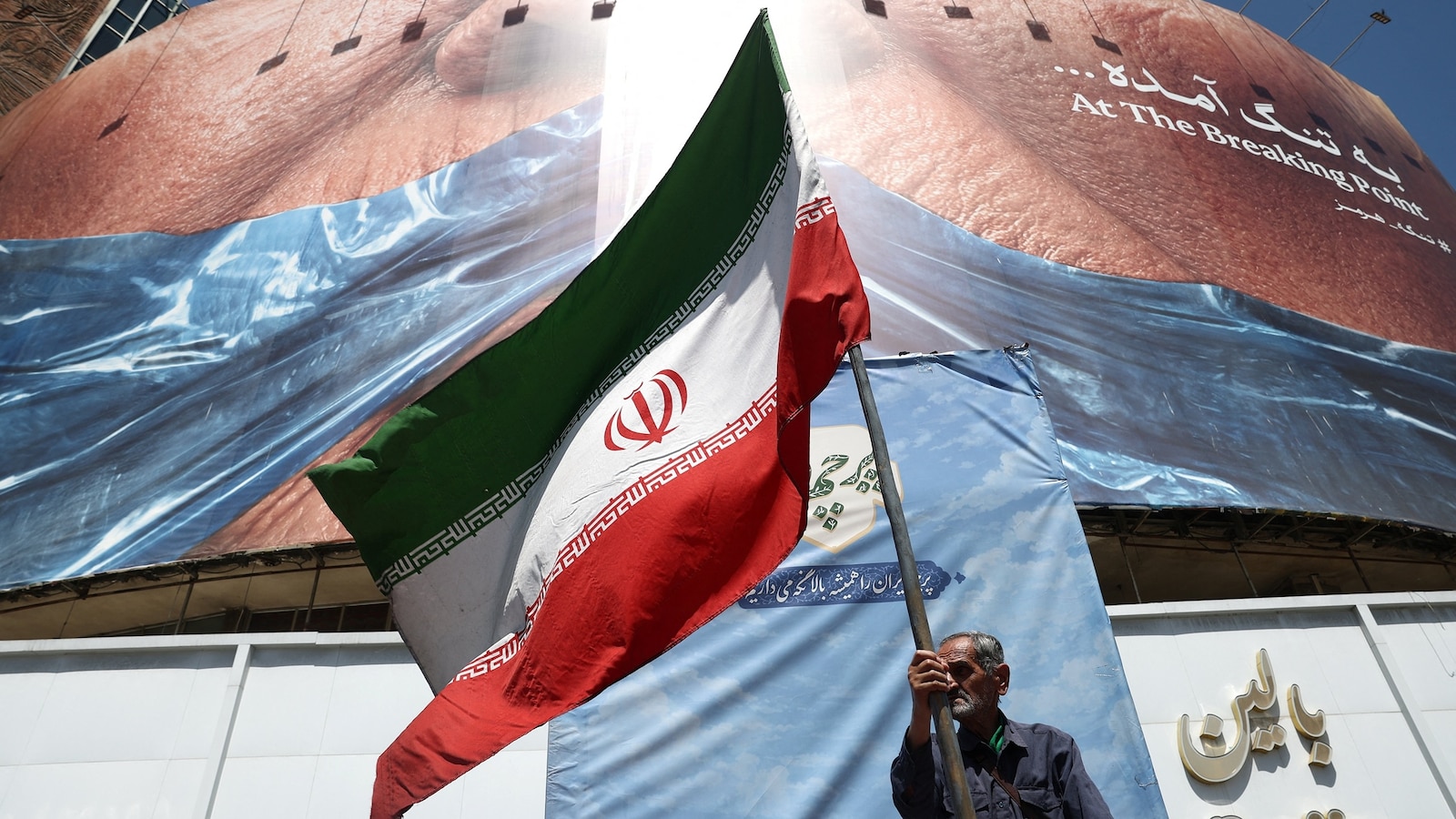
The IRGC said it launched a retaliatory strike on an unnamed air base after U.S. strikes on Sirik Island in Iran's Hormozgan province, escalating tensions around the Strait of Hormuz. The group warned of a more severe response if attacks are repeated, raising the risk of broader regional conflict and potential disruption to energy and shipping flows. Market sensitivity is high given the strategic location and the possibility of further U.S.-Iran escalation.
The market implication is less about the isolated strike and more about the regime shift in tail-risk pricing around the Strait of Hormuz. Even without a supply interruption, a credible escalation path should lift implied volatility across crude, refined products, shipping, and regional equities because the distribution of outcomes is now fatter on the right tail for prices and on the left tail for risk assets. The first-order trade is a risk-premium bid; the second-order trade is tighter physical optionality as refiners, airlines, and consumers rush to secure barrels before any chokepoint risk is repriced.
The asymmetry is strongest in products, not just Brent. Middle distillates and prompt freight tend to react harder than headline crude when traders start pricing rerouting, insurance, and precautionary inventory builds; that can keep gasoline and diesel elevated even if crude retraces on headline fatigue. Defense and cyber/infrastructure names can catch a bid on the assumption that critical-asset hardening accelerates, but the bigger winner over weeks is usually producers with unhedged near-term exposure and low lifting costs, while airlines, chemicals, and transport face margin compression if energy stays bid into the next earnings cycle.
The key catalyst window is days to two weeks: either the situation de-escalates and the spike fades, or we get a second event that forces a broader repricing of geopolitical risk. The contrarian view is that consensus may overestimate the durability of the move if this is treated as a symbolic exchange rather than a campaign; in that case, front-end vol gets crushed quickly and energy beta mean-reverts. But if retaliatory actions expand to infrastructure, bases, or maritime assets, the market will shift from event-risk to supply-risk, which is a materially different and higher-multiple regime.
AI-powered research, real-time alerts, and portfolio analytics for institutional investors.
Request TrialOverall Sentiment
strongly negative
Sentiment Score
-0.82
