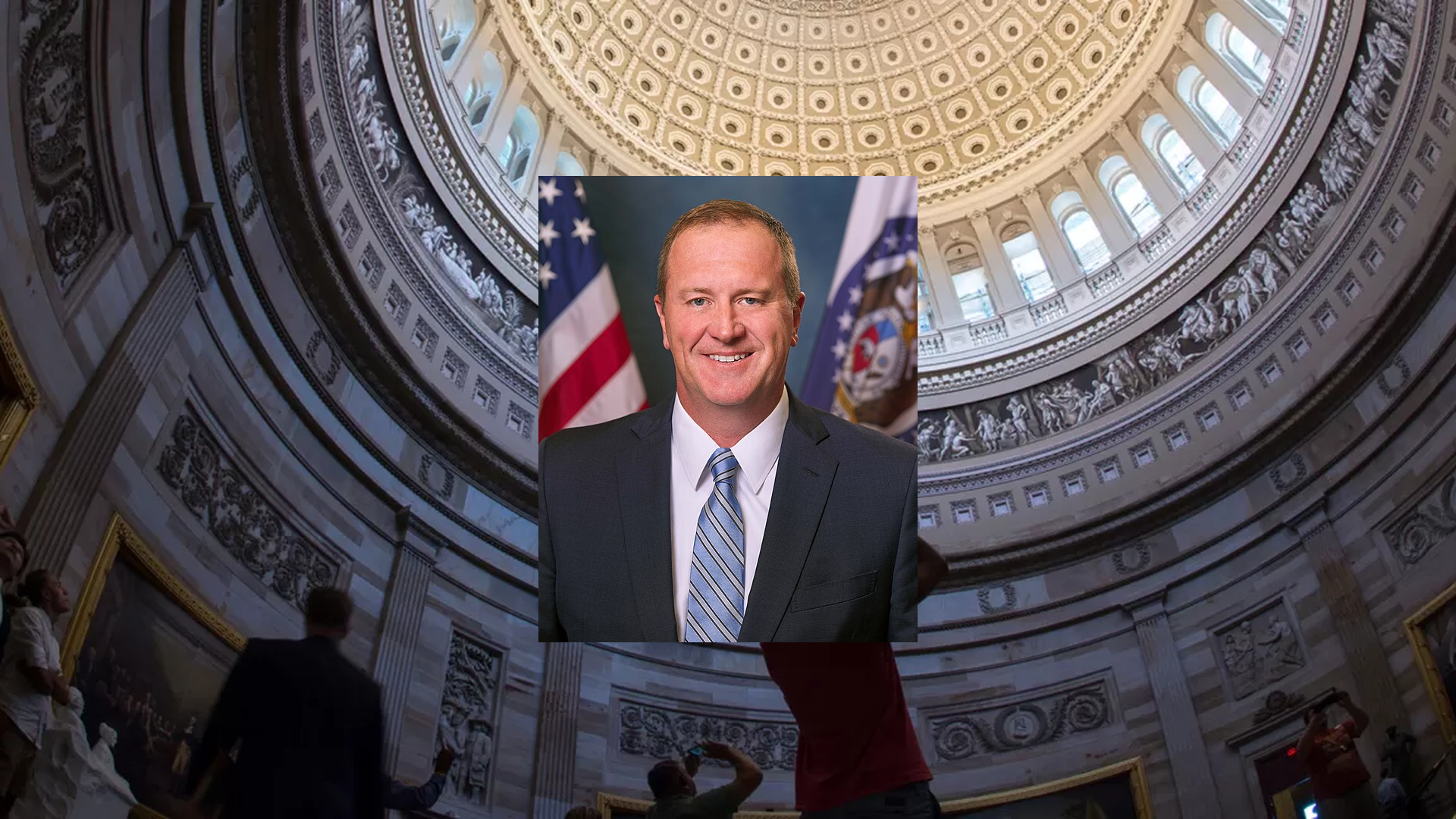
Event: The Trump Administration's repeal of a Biden-era mandate restricting homeowners' insurance choices was praised by Sen. Eric Schmitt as reducing costs and improving homeownership affordability. Political/financial context: Schmitt disclosed $490.6K raised in Q4 (91.1% from individuals), $555.8K in spending, and $1.3M cash on hand; Quiver estimates his net worth at $1.0M, and Missouri US Senate contests have seen ~$40.17M in spending over two years with ~$8.58M in outside PAC/Super PAC spending.
Repealing a mandate that constrained homeowners’ insurance choices is a distribution shock to the P&C ecosystem: brokers and national aggregators will capture the easiest, immediate upside as new product flows and price shopping create incremental commissions and cross-sell opportunities within 3–12 months. Insurers that can rapidly underwrite and distribute differentiated, lower-cost products (digital-first, parametric riders) will win share; legacy carriers with rigid underwriting systems will be forced into price competition or tighten risk selection, compressing near-term margins. Second-order effects run through reinsurance and mortgage markets. Easier access to cheaper homeowners’ coverage reduces one friction for mortgage approvals and could lift purchase intent by low-single-digit percentage points in rural and affordable segments, translating into mid-single-digit upside to mortgage originator volumes over 6–18 months. At the same time, reinsurers and capital providers will re-price nat-cat exposure and tighten terms for coastal lines; expect elevated retrocession pricing and potential shift of catastrophe risk from insurers to capital markets, increasing cost of capital for carriers over the next 12–24 months. Key catalysts and risks: a major nat-cat season or a wave of litigation tied to loosened underwriting standards are the fastest reversers — these would show up in combined ratios within 2–4 quarters and provoke state regulatory intervention. Politically, the rollback could be walked back or constrained at the state level; monitor state insurance commission actions and forthcoming filings for rate changes as 1–3 month early signals. Contrarian signal: the market’s mild positive view likely understates underwriting stress that emerges after a full underwriting cycle — initial share gains may mask a 200–500bps deterioration in combined ratios for carriers that chase volume without proper pricing. That makes brokers and capital-light distribution models a cleaner asymmetric play versus owning balance-sheet-heavy insurers into the 12–24 month window.
AI-powered research, real-time alerts, and portfolio analytics for institutional investors.
Request DemoOverall Sentiment
mildly positive
Sentiment Score
0.20
