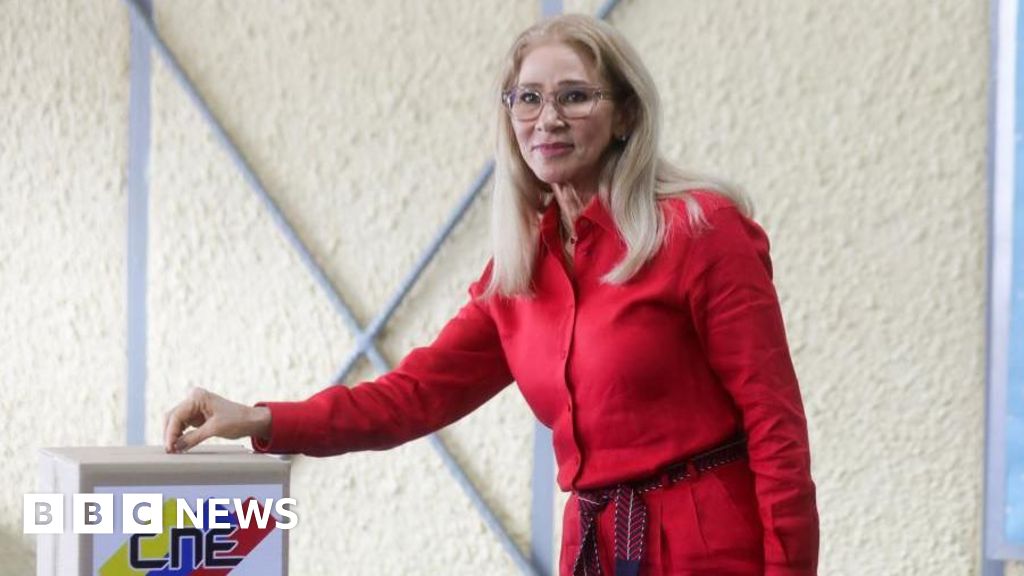
Venezuela's ruling PSUV party, led by President Maduro, claimed a sweeping victory in regional and parliamentary elections, securing 23 of 24 governorships and a majority in the National Assembly; however, the elections were largely boycotted by the opposition, who cited concerns over the fairness and transparency of the process, with opposition leader Machado reporting turnout below 15% and denouncing the results as a "farce". The elections, criticized internationally, also included a symbolic vote for representatives of the Essequibo region, a territory disputed with Guyana, further escalating tensions as Guyana's president condemned the move.
Venezuela's political landscape remains highly polarized following regional and parliamentary elections, with the ruling United Socialist Party of Venezuela (PSUV), led by President Nicolás Maduro, claiming a decisive victory by securing 23 out of 24 governorships and an 82.68% share of votes for the National Assembly. This outcome, however, is significantly contested due to a widespread boycott by major opposition parties, who labeled the elections a "farce." Opposition leader María Corina Machado reported a voter turnout below 15%, contrasting sharply with the 42.6% figure released by the government-loyalist electoral council (CNE). The CNE's credibility is further undermined by past international criticism regarding its handling of the previous presidential election, where detailed voting tallies were not provided. The election also saw the controversial symbolic vote for representatives of the Essequibo region, a territory administered by Guyana but claimed by Venezuela, a move conducted in defiance of an International Court of Justice order and condemned by Guyana's president. This further entrenches Maduro's control domestically but escalates geopolitical tensions and highlights the ongoing governance crisis, exacerbated by pre-election arrests of over 70 opposition-linked individuals. The limited participation of some opposition figures, such as Henrique Capriles who secured a National Assembly seat, underscores deep divisions within the opposition regarding engagement with the current electoral system, with the PSUV increasing its gubernatorial posts from 20 to 23.
AI-powered research, real-time alerts, and portfolio analytics for institutional investors.
Request DemoOverall Sentiment
strongly negative
Sentiment Score
-0.70
