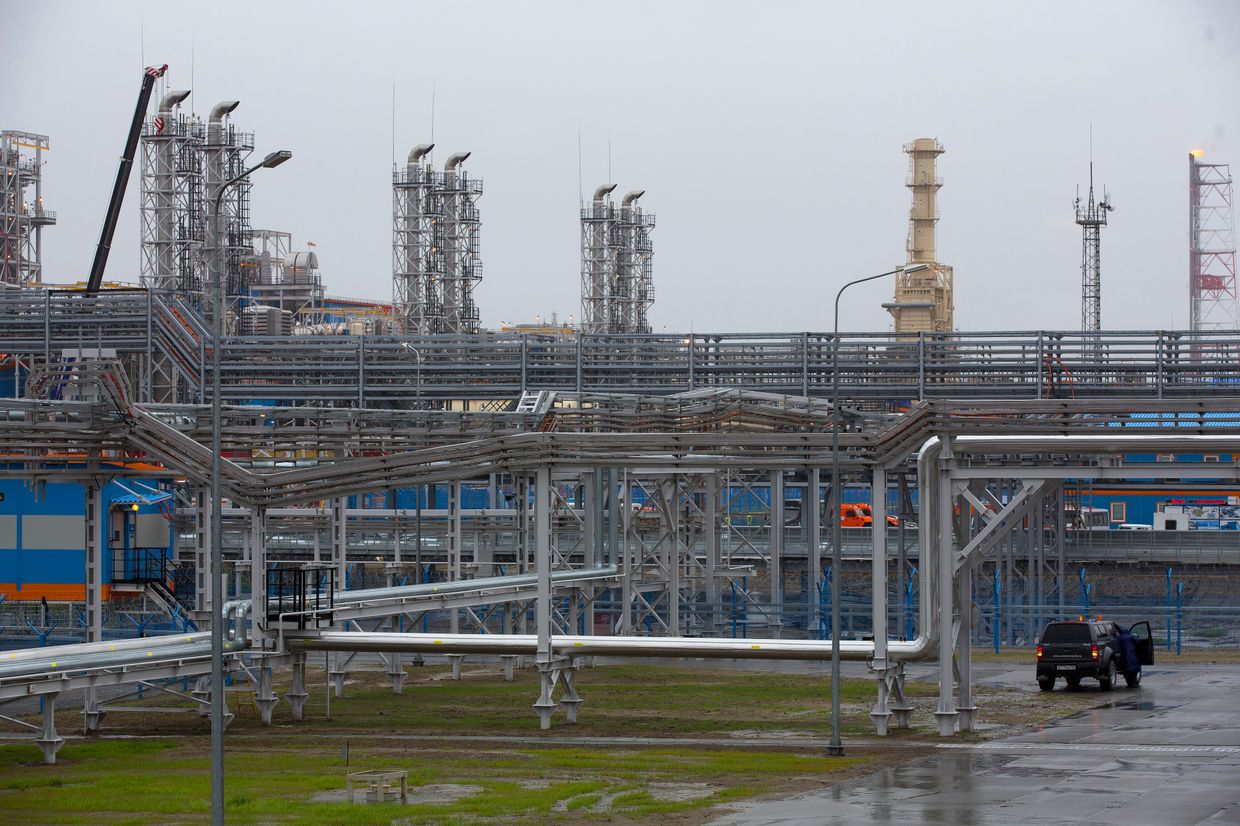
The U.K. issued two new sanctions-related licenses on May 19: one allowing imports of diesel and jet fuel made from sanctioned Russian oil if processed in a third country, and another permitting maritime transport of Russian LNG from Sakhalin-2 and Yamal LNG. The LNG transport license expires Jan. 1, 2027, while the refined-products waiver takes effect May 20 indefinitely but can be revoked at any time. The move underscores energy-market strain tied to the Strait of Hormuz disruption and rising jet fuel prices, with broader implications for sanctions enforcement and global fuel supply stability.
This is less about immediate physical barrels and more about legitimizing a gray-market middleman regime. By carving out exemptions for third-country processed diesel/jet fuel and Russian LNG shipping, the U.K. is effectively signaling that enforcement will remain elastic whenever refined-product tightness or shipping bottlenecks bite; that should narrow sanctions risk premia on Europe-linked fuel benchmarks but widen the spread between paper rhetoric and actual trade flows. The first-order beneficiary is not Russia alone, but refiners and traders with optionality in non-G7 jurisdictions, who can arbitrage compliance complexity while higher freight and insurance costs get passed through the chain.
The second-order implication is bullish for LNG logistics and marine services rather than outright commodity price direction. If exemptions persist, ton-mile demand for sanctioned cargoes stays supported even as headline geopolitics deteriorate, which is constructive for shipowners with younger fleets and stronger compliance stacks, and negative for older tonnage facing higher vetting frictions and potential port exclusions. For oil, the bigger risk is that policy makers normalize temporary waivers, reducing the odds of a clean supply shock but increasing the probability of episodic dislocations in diesel and jet crack spreads over the next 4-12 weeks.
The market is probably underpricing the political asymmetry: governments want to look hawkish while quietly preserving fuel affordability. That creates a fragile equilibrium where any escalation in Iran or a further Strait of Hormuz disruption could force another round of exemptions, temporarily capping upside in crude but supporting refined-product margins. The contrarian read is that this is mildly bearish for crude beta and more bullish for the complex logistics layer—especially LNG shipping, product tankers, and insurers—because the system is moving from sanctions as a ban to sanctions as a managed tollbooth.
AI-powered research, real-time alerts, and portfolio analytics for institutional investors.
Request DemoOverall Sentiment
neutral
Sentiment Score
0.00
Ticker Sentiment
