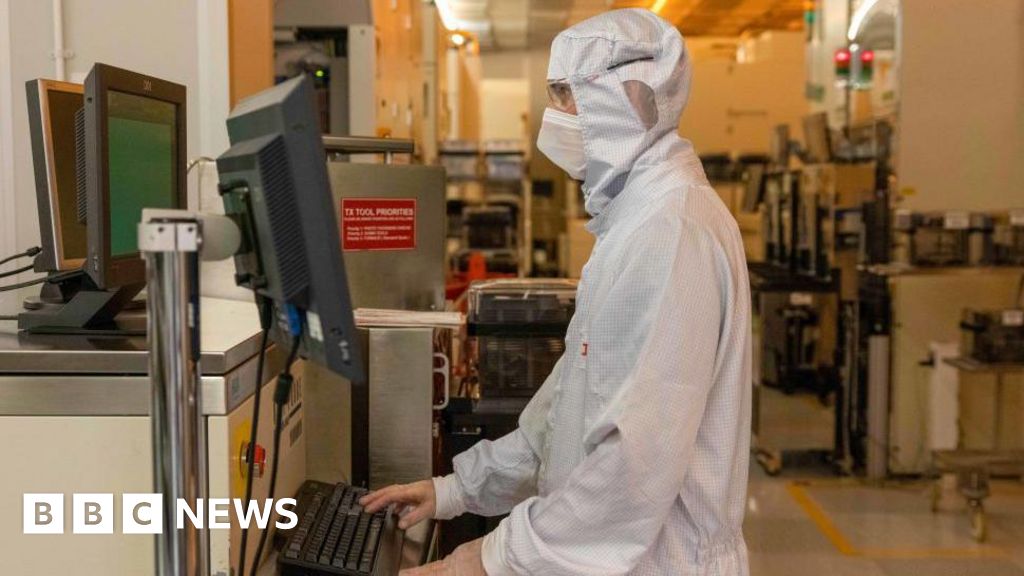
The Dutch government has taken the "highly exceptional" step of intervening in Chinese-owned chipmaker Nexperia, citing risks to Dutch and European economic security and "serious governance shortcomings" to safeguard critical technological knowledge and chip supply. This action, which saw parent company Wingtech's shares fall 10%, escalates EU-China tensions and follows Nexperia's prior forced sale of a UK facility, with Wingtech indicating it will seek to protect its rights.
The Dutch government has initiated an "exceptional" intervention into Chinese-owned chipmaker Nexperia, citing risks to "Dutch and European economic security" and "serious governance shortcomings." This action, taken under the Goods Availability Act, aims to safeguard critical technological knowledge and ensure the continuity of essential chip supply, particularly for semiconductors used in automotive and consumer electronics. The government's statement highlighted a "threat to the continuity and safeguarding on Dutch and European soil of crucial technological knowledge and capabilities."
The intervention immediately impacted Nexperia's parent company, Wingtech, whose Shanghai-listed shares declined by 10% on Monday morning. This development escalates existing tensions between the EU and China, following a similar forced sale of Nexperia's UK plant due to national security concerns. The broader geopolitical backdrop includes Wingtech's presence on the US "entity list," which restricts American exports and was recently expanded to include Chinese majority-owned firms.
While Nexperia's production is currently permitted to continue normally, Wingtech has indicated it will contest the decision and seek government support, suggesting potential for prolonged legal or diplomatic disputes. The Dutch government did not detail specific reasons for its risk assessment, leaving some ambiguity regarding the precise nature of the security threat. This regulatory action underscores a growing trend of Western governments scrutinizing foreign ownership in critical technology sectors.
AI-powered research, real-time alerts, and portfolio analytics for institutional investors.
Overall Sentiment
strongly negative
Sentiment Score
-0.65
