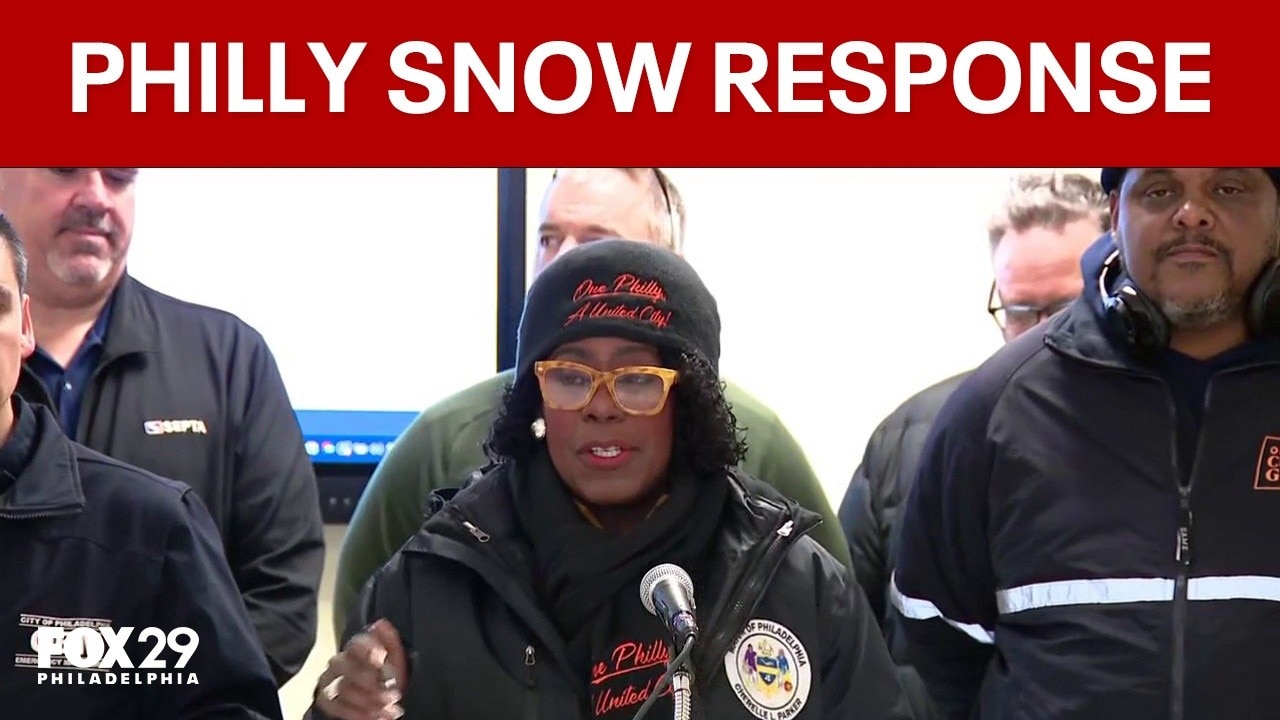
Philadelphia International Airport paused departures and recorded widespread disruption after a winter storm dropped up to ~13.8 inches of snow in parts of the region; as of 2:05 p.m. Monday FlightAware and city officials reported 605 cancellations and 12 delays. Limited service was expected to resume around 2 p.m., per Mayor Cherelle Parker; the outage poses short-term operational and revenue disruption risks for carriers and logistics providers but is unlikely to have significant broader market impact.
Market structure: The immediate winners are local short-stay hospitality (Marriott MAR, Hilton HLT) and car rental firms (Avis CAR, Hertz HTZ) that capture stranded passengers; large network carriers concentrated at PHL (American Airlines AAL) face direct costs from cancellations, re-accommodation and crew recovery. Pricing power shifts very short-term: hotels/rentals can push ADR/rates +3-10% for 24–72 hours while airlines absorb runway/crew costs and lost ancillaries.
Risk assessment: Tail risks include multi-day cascade outages that force network-wide schedule cuts (2–7 day shock) or regulatory scrutiny/fines if de-icing/operations are deemed negligent; probability low (<5%) but impact high for hub carriers. Time horizons: immediate (0–7 days) operational hits and transient revenue wins for hotels/rentals; short-term (weeks) potential earnings revisions for airlines; long-term (quarters) minimal structural demand change unless storms become more frequent. Hidden dependencies include crew re-positioning, maintenance backlog and insurance claims which can extend disruption beyond visible cancellations.
Trade implications: Favor short-duration, event-driven trades: buy hotel/car rental exposure for a 1–3 week window and hedge or short hub-airline exposure (AAL) over same period; options appropriate—buy 2–3 week AAL put-spreads to limit cost, buy 1–2 week MAR/HLT call swaps or outright 1–2% position in MAR. Cross-asset: modest knee-jerk drop in airline equity vol expected to mean-revert in 1–2 weeks; jet-fuel demand dips negligibly, regional nat-gas/heating may rise.
Contrarian angles: Consensus underestimates speed of network recovery—if cancellations contained to 24–48 hours risk premia in AAL could be overdone; a >7% drop in AAL with no follow-up system failure is a buy-the-dip opportunity for 1–2% tactical exposure. Historical nor'easter analogs show airline equities typically recover within 7–14 trading days absent macro shocks; second-order risks include higher crew/insurance costs that could materialize over quarters, so size positions conservatively.
AI-powered research, real-time alerts, and portfolio analytics for institutional investors.
Request DemoOverall Sentiment
mildly negative
Sentiment Score
-0.25
