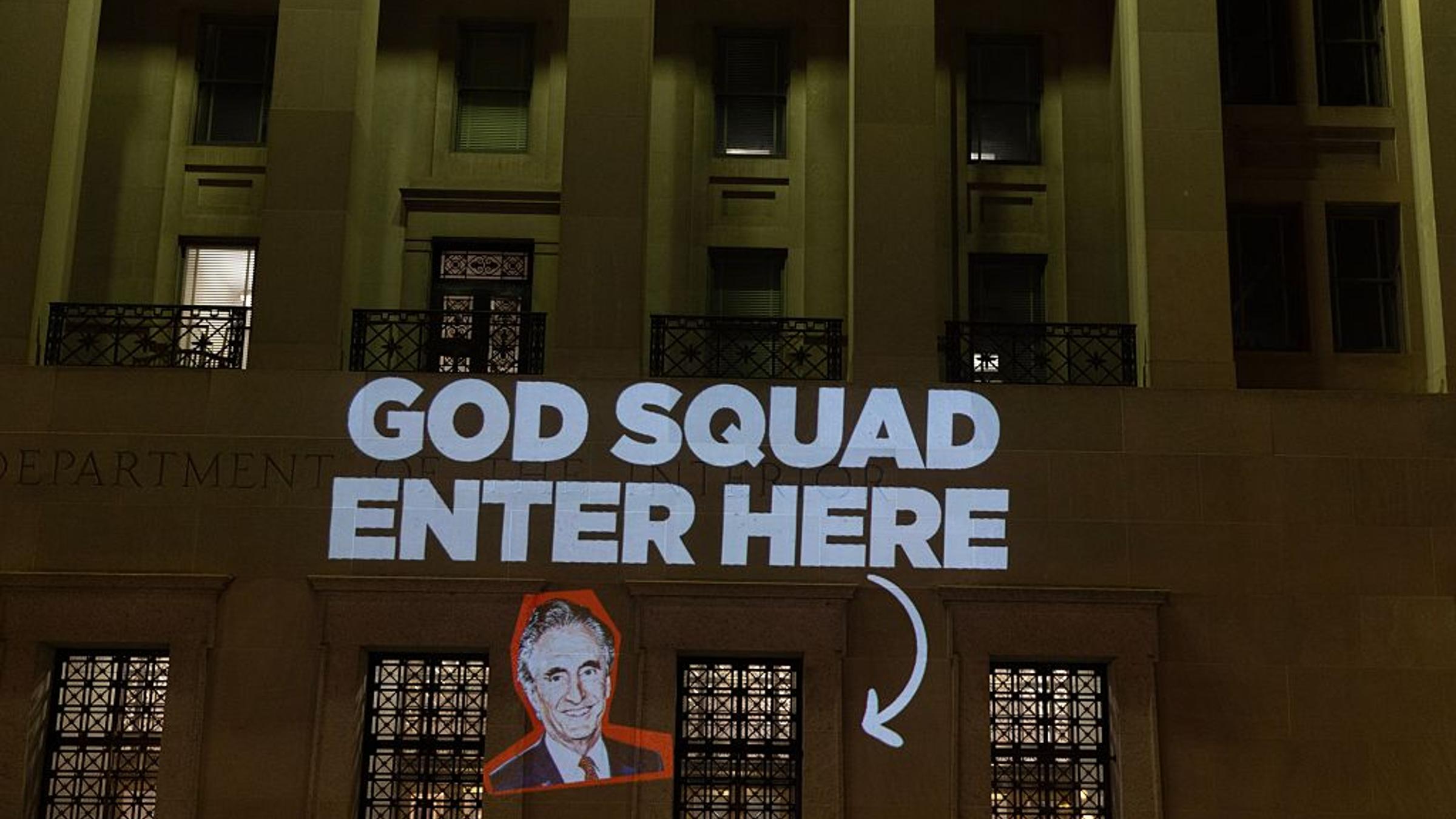
The Endangered Species Committee unanimously approved an exemption—only the 3rd in nearly 50 years—to suspend Endangered Species Act protections for oil and gas exploration, development and production on the Gulf of Mexico outer continental shelf. The Gulf hosts about 20 threatened/endangered species, including roughly 50 Rice's whales, so the decision reduces regulatory risk for Gulf producers but materially raises litigation, activist and reputational risk and ESG pressure. The administration framed the move as a national security response (citing Strait of Hormuz disruptions that affect ~20% of global crude flows), making this a sector-moving regulatory development with likely divergent impacts across energy firms and ESG-focused investors.
Removing a meaningful layer of environmental permitting risk in the US offshore basin materially compresses time-to-first-production and lowers contingent mitigation budgets for marginal projects; for mid-sized projects that were previously breakeven at $70/bbl, this can flip economics by ~15–30% on an NPV basis because of avoided multi-year delays and mitigation capex. Service providers with spare high-spec rig and equipment capacity can capture incremental dayrate tailwinds within 3–9 months, while integrated majors will mostly realize higher free cash flow rather than immediate production delta because offshore ramp curves remain 18–36 months.
Second-order winners are midstream and export terminals that monetize marginal barrels — a 5% incremental Gulf output over 12–24 months would disproportionately lift Gulf export throughput and LPG/condensate flows, tightening regional differentials vs inland basins. Conversely, Permian/onshore-focused players face modest margin pressure as additional Gulf barrels compete on global seaborne crude markets; that dynamic favors equities with direct Gulf exposure over pure onshore producers.
Tail risks tilt to litigation, state-level pushback, and reputational/asset-insurance repricing: a successful legal reversal within 6–18 months could force abrupt project suspensions and create a 15–30% downside shock for names levered to near-term Gulf activity. Political and price catalysts (oil spikes >$90/bbl or renewed geopolitical bottlenecks) accelerate capex decisions and shorten realization timelines; watch NGO litigation filings and insurer reserve notices as 0–6 month leading indicators.
AI-powered research, real-time alerts, and portfolio analytics for institutional investors.
Request DemoOverall Sentiment
mildly negative
Sentiment Score
-0.25
