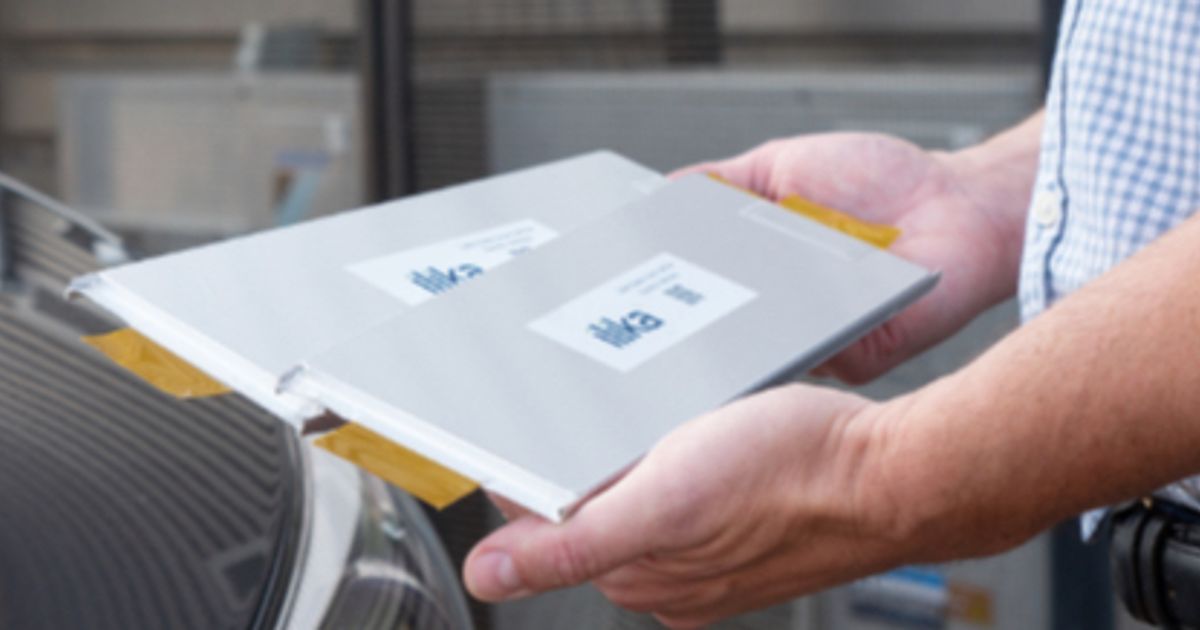
Ilika has cleared customer qualification for its Stereax solid-state battery platform, begun shipments of Stereax M300 prototypes to 21 customers and started early commercial revenue in January 2026, while its Goliath 10Ah EV prototypes were produced on a newly commissioned pilot line with a 93% first-batch yield. Interim results reflect a development-stage profile: H1 revenue £0.6m (down from £1.0m), adjusted EBITDA loss £3.2m, period-end cash £6.9m after a £4.2m fundraising; Cavendish flagged PRIMED grant funding ends in 2H26 and trimmed revenue forecasts to £1.5m for year to April 2026 and £2.0m for the following year. The broker reiterated a buy stance (article cites a 130p target implying ~242% upside, EV £61.0m, net cash £7.8m), but stressed a more cautious timing view on Stereax ramp-up and on when Goliath licensing/partnership revenues will be realised.
Market structure: Ilika (AIM:IKA / OTCQX:ILIKF) is a clear near-term winner in the small-format medical/industrial battery niche (Stereax) and a high-potential but higher-risk contender in EV cells (Goliath). Medical OEMs (e.g., Cirtec) gain supplier diversification and potential product performance upside; incumbent lithium‑ion cell manufacturers face little immediate pricing pressure but risk future share erosion if Ilika scales P2 50Ah successfully. Short-term commodity demand impact is negligible; long-term successful scale-up would modestly reduce lithium demand growth and create fresh demand for solid-electrolyte materials, pressuring lithium miners and benefiting specialty ceramics suppliers. Equity and small-cap tech vol should remain elevated around delivery/partnership milestones, with minimal sovereign FX or bond-market impact unless funding needs force sizable raises.
Risk assessment: Key tail risks are funding/dilution (current cash £6.9m vs H1 loss £3.2m), scale-up yield collapse (10Ah 93% to unknown at 50Ah), regulatory/safety delays for medical and automotive certification, and IP/patent litigation. Timeline: immediate (days) = market repricing on the Cirtec PO; short-term (weeks–months) = cash runway and grant expiry risk (PRIMED grants end 2H26); long-term (12–36 months) = P2 50Ah performance, licensing revenue and gigafactory economics. Hidden dependencies include Cirtec concentration, third‑party pilot-line equipment suppliers and continuity of government grants; catalysts are 50Ah A-samples, independent cell benchmarks, and announced licensing/MOU deals.
Trade implications: Speculative long: establish a 2–3% position in IKA/ILIKF on weakness, targeting 130p implied upside within 12–24 months, with a hard stop if company cash falls below £3m or no bridge financing announced by Sep 2026. Hedging: buy 6–9 month puts ~35–45% OTM to limit downside; if options illiquid, buy OTCQX shares and sell 6–12 week covered calls to monetize premium. Pair trade: long IKA (2%) / short Global X Lithium & Battery Tech ETF (LIT) (1–2%) to express technology disruption vs raw material exposure. Reduce 1–2% allocation to broad commodity/miner names if conviction in SSB scale-up rises.
Contrarian angles: The market underestimates funding/dilution risk and overprices milestone execution—EV/sales 42x for 2026E embeds near-perfect commercialization. Historical parallels (e.g., early solid‑state promises like QuantumScape) show big investor disappointment when pilot yields don’t scale; a failed 50Ah ramp could compress equity by >50%. Conversely, successful, certified 50Ah samples or a strategic OEM licensing deal within 12 months would likely re-rate the shares sharply; monitor independent benchmark test results and any non‑recurring partnership prepayments as early signs of durable revenue.
AI-powered research, real-time alerts, and portfolio analytics for institutional investors.
Request DemoOverall Sentiment
mildly positive
Sentiment Score
0.25
