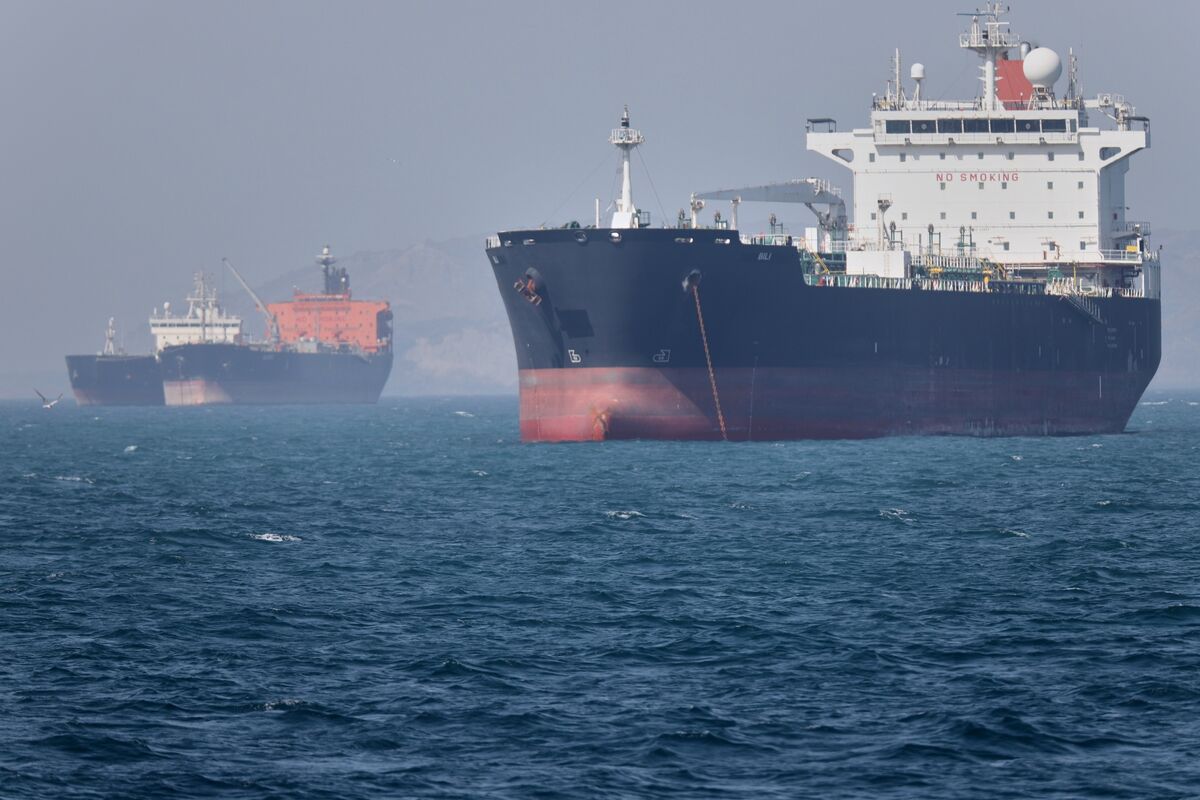
Iran launched 12 ballistic missiles, 3 cruise missiles, and 4 drones at the UAE, while separate attacks were reported near the Strait of Hormuz and in Fujairah. The US military also said it helped escort two American-flagged ships through the strait and fought off attacks from Iranian drones, missiles, and armed small boats. The escalation raises immediate risks to Gulf shipping flows, energy exports, and broader regional stability.
This is less about a one-off headline and more about a regime shift in Gulf transit risk. The market is likely underpricing the probability that shipping insurance, voyage times, and security costs stay elevated for weeks even if outright kinetic attacks are intermittent; that means the first-order move in crude can fade while the second-order squeeze in delivered energy, petrochemicals, and freight persists. The biggest beneficiaries are not just upstream energy names, but also names with pricing power tied to Middle East replacement barrels and marine logistics bottlenecks. The more important second-order effect is on global supply chain optionality. If Gulf shipping becomes episodically uninsurable or requires military escort, refiners in Asia and Europe will start paying up for Atlantic Basin barrels, widening regional cracks and distorting product spreads before spot crude fully re-prices. That tends to help U.S. integrated producers, LNG exporters, and tanker owners, while hurting airlines, chemical producers, and any industrial with high diesel exposure; the air-defense and counter-drone spend also gets a durable geopolitical bid, especially among missile-defense primes. The catalyst path is bifurcated: days matter for headline-driven crude spikes, but months matter for whether this becomes a persistent convoy/escort regime. The key reversal would be a credible de-escalation channel that reduces insurance premia and restores normal passage; absent that, volatility itself becomes the trade, not just direction. Consensus may be overfocused on Brent direction and underfocused on the widening of time-charter rates, freight differentials, and defense procurement budgets, which can keep outperforming even if oil retraces from the immediate shock. Contrarianly, the cleanest hedge may not be a pure long-oil expression because strategic reserves, diplomatic pressure, and demand destruction can cap Brent. The more asymmetric expression is a basket that monetizes persistent instability: long tanker/utilization beneficiaries and defense, short transport-intensive end users, with crude exposure kept modest and tactical rather than outright directional.
AI-powered research, real-time alerts, and portfolio analytics for institutional investors.
Request DemoOverall Sentiment
strongly negative
Sentiment Score
-0.78
