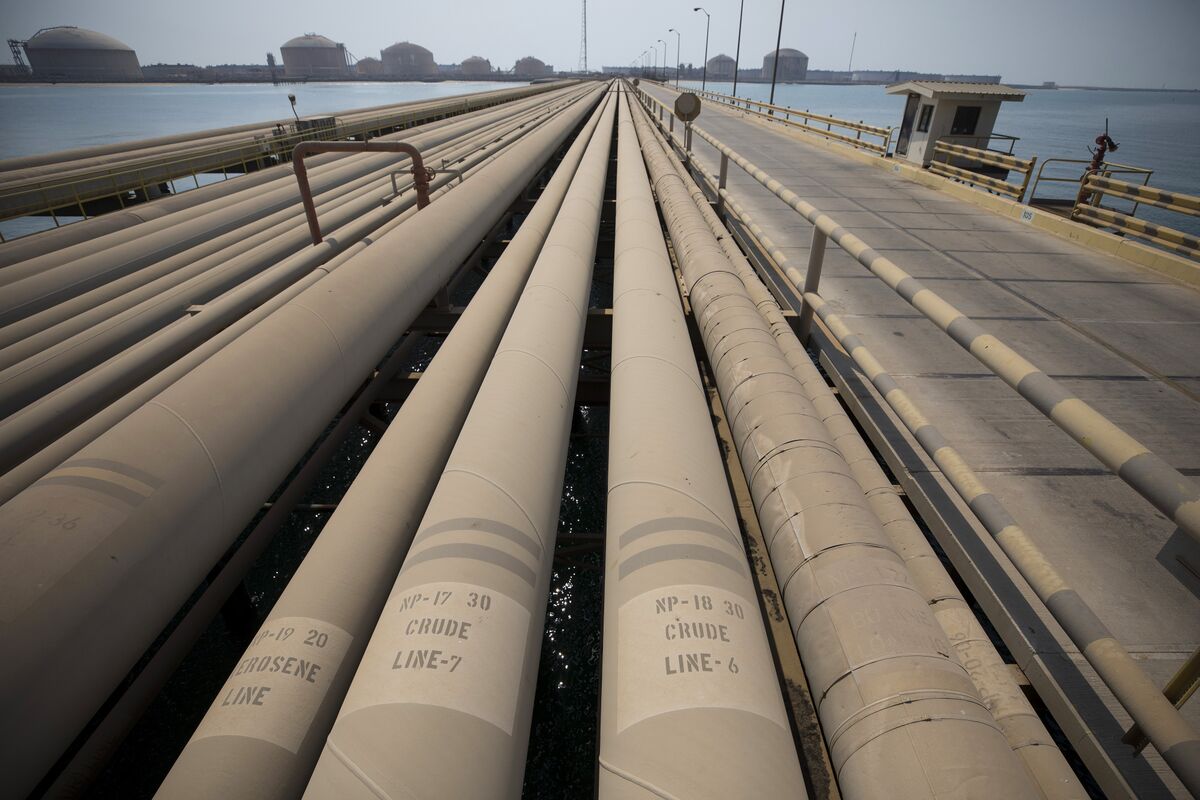
Oil prices steadied, with WTI above $62, as Saudi Aramco announced price cuts for most of its crude grades for Asian buyers next month. This decision, following the OPEC+ move to continue adding idled barrels to the market in October, has put the demand outlook in focus for investors, raising concerns about softening global consumption.
Oil prices have entered a period of consolidation, with West Texas Intermediate trading above $62 and Brent near $66, as the market digests conflicting signals. The primary catalyst for the current uncertainty is Saudi Aramco's decision to reduce official selling prices for its crude grades to Asian buyers for the upcoming month. This move, which points to a potential softening of demand in a key consuming region, is amplified by the preceding OPEC+ agreement to continue increasing supply by releasing idled barrels in October. The combination of a major producer cutting prices to secure market share while the broader cartel increases output has shifted investor focus squarely onto the global demand outlook, creating a mildly negative sentiment and an uncertain trading environment.
AI-powered research, real-time alerts, and portfolio analytics for institutional investors.
Request DemoOverall Sentiment
mildly negative
Sentiment Score
-0.25
Ticker Sentiment
