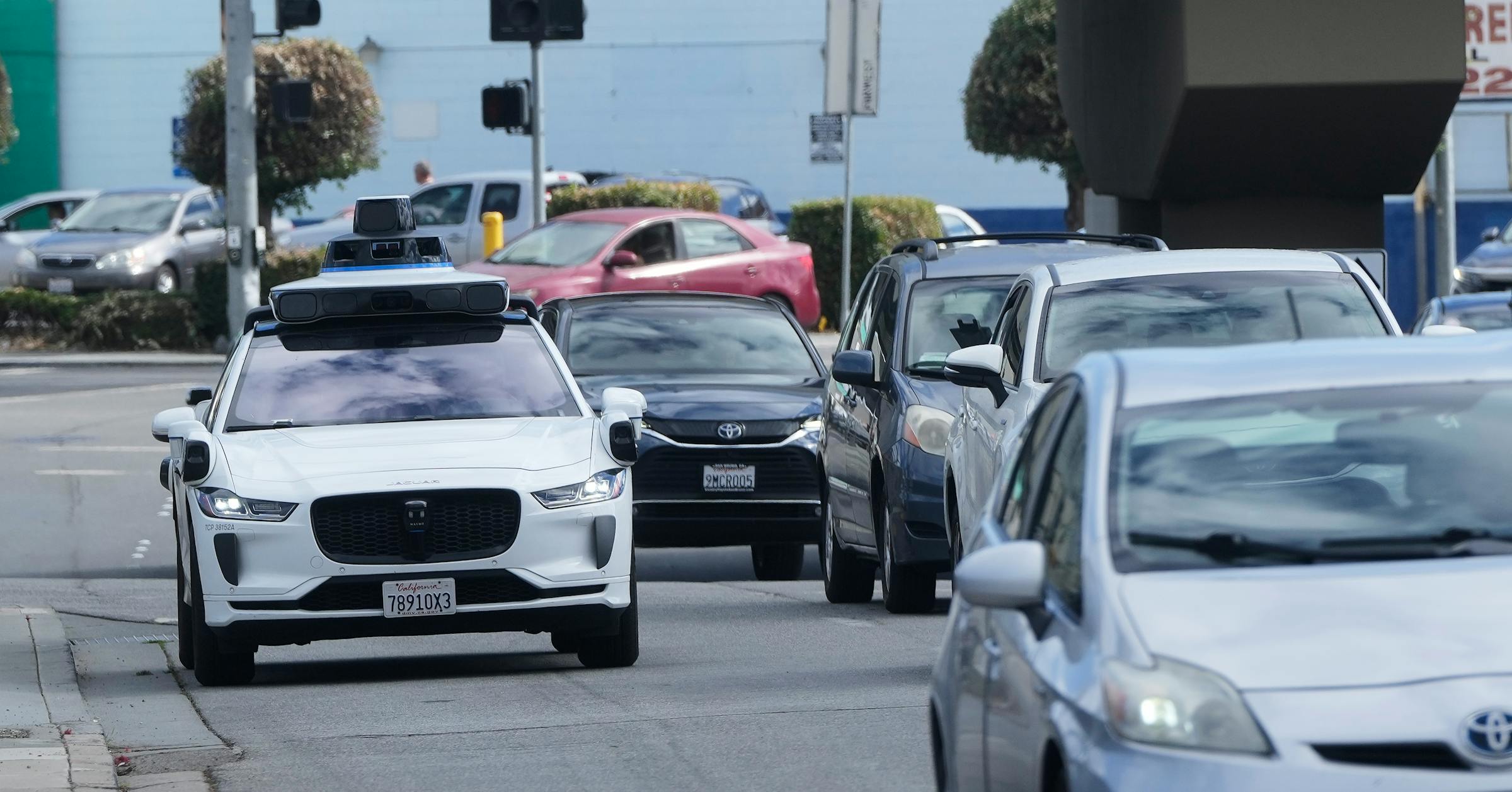
Waymo has begun mapping Minneapolis as it prepares to test and eventually deploy driverless robotaxis—initially with people stationed behind the wheel—and seeks to expand services already operating in San Francisco, Phoenix and Austin. Minnesota law is essentially silent on autonomous vehicles, and Waymo’s move is likely to prompt legislative action when the session begins in February; Republicans such as Rep. Jon Koznick favor a measured but permissive approach, while DFL lawmakers including Sen. Scott Dibble urge scrutiny on liability, emergency disabling, impacts to Uber/Lyft drivers, data privacy and law‑enforcement access to vehicle video. The announcement therefore raises regulatory uncertainty that could shape the timing of any rollout and the legal and commercial risks for operators and incumbents in the state.
Waymo has started mapping Minneapolis streets to prepare for staged testing of its ride-hailing service, beginning with safety drivers stationed behind the wheel and ultimately aiming to deploy fully driverless robotaxis—an approach consistent with its current operations in San Francisco, Phoenix and Austin. This operational rollout plan is explicit in the article and establishes a clear intent to expand into Minnesota.
Minnesota law is described as "essentially silent" on autonomous vehicles, and the article flags the state legislative session in February as the likely venue for new rules; Republican Rep. Jon Koznick favors a measured but permissive regime, while DFL Sen. Scott Dibble raises specific concerns about liability, emergency disabling, effects on Uber and Lyft drivers, data protection and law-enforcement access to in-vehicle video. Those issues directly map to regulatory and legal risk vectors that could dictate permissible operating models and required safety/compliance investments.
The provided signals show mixed sentiment (0.05) and a low market-impact score (0.25), implying modest near-term market reaction but meaningful policy uncertainty that could delay deployment or increase costs for operators and suppliers. UBER and LYFT are named as potentially affected incumbents with neutral per-ticker sentiment (0.0), suggesting investor focus should be on regulatory outcomes and labor/privacy implications rather than immediate market moves.
AI-powered research, real-time alerts, and portfolio analytics for institutional investors.
Request DemoOverall Sentiment
mixed
Sentiment Score
0.05
Ticker Sentiment
