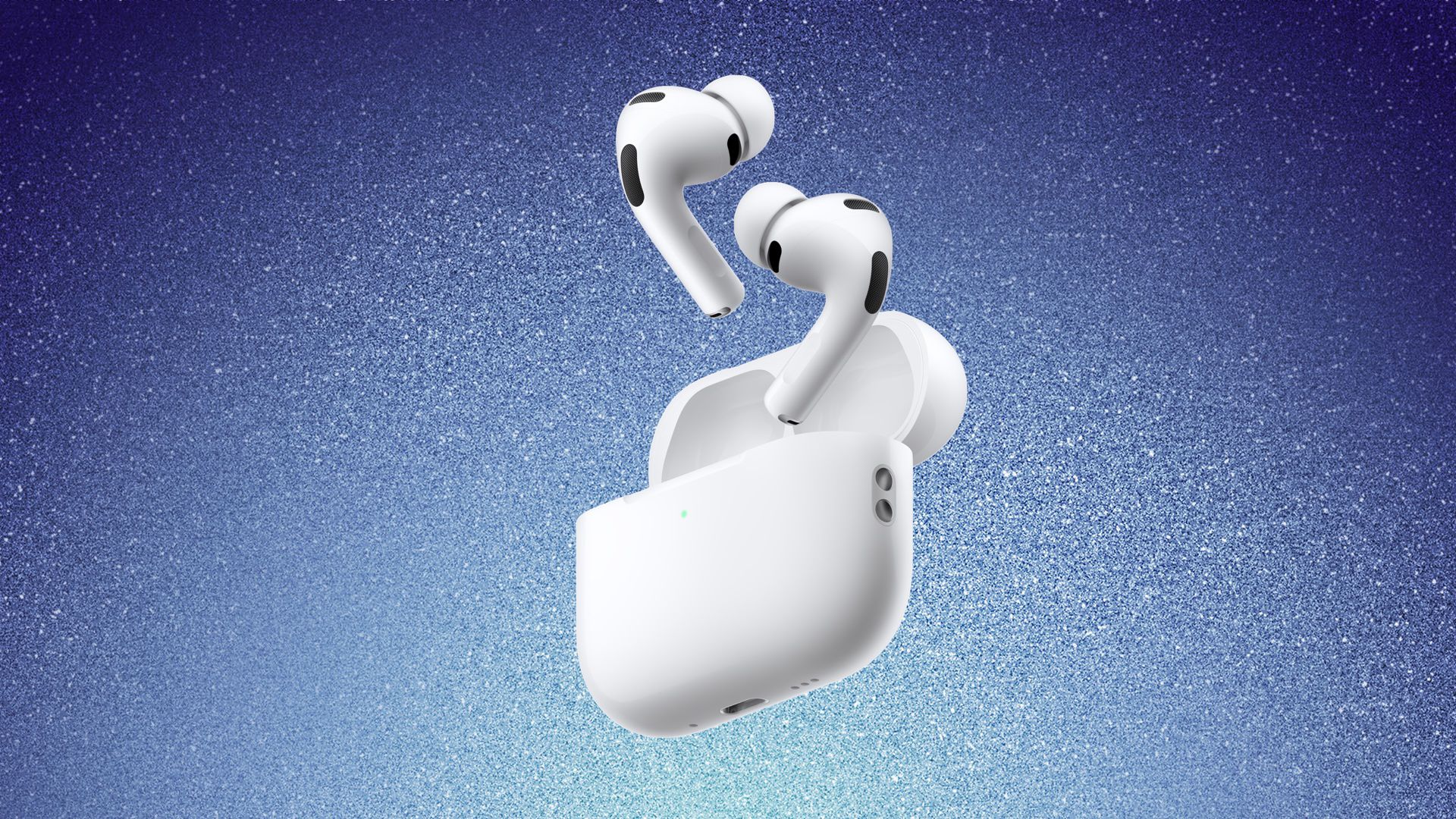
Best Buy is offering the AirPods Pro 3 at a record‑matching low of $199.99 (down from $249.00), the first time in 2026 the model has reached this price and matching the holiday season low; the deal is currently exclusive to Best Buy. The AirPods Pro 3, launched in September 2025, include upgraded features such as 2x improved Active Noise Cancellation, better audio, a revised fit, Live Translation and heart‑rate sensing. The promotion may boost near‑term unit sales and traffic but is unlikely to meaningfully affect Apple’s overall financials or market valuation.
Market structure: The $50 cut on AirPods Pro 3 (20% off, $249→$199.99) signals tactical retail promotion rather than permanent ASP erosion; Best Buy (BBY) benefits from traffic generation while Apple (AAPL) absorbs mix/margin pressure on accessories or funds it via marketing/co-op. Goldman (GS) is a loser if it relinquishes Apple Card economics; JPMorgan (JPM) is a clear beneficiary per WSJ timeline (announcement likely in 7–30 days). Logitech (LOGI) suffers reputational/operational hit from the certificate outage, creating short-term share weakness.
Risk assessment: Tail risks include a broader softness in consumer electronics leading to deeper markdowns (10–30% deeper across accessories over next 2–3 quarters), regulatory scrutiny of card transfers, or a botched JPM integration that delays expected revenue — low probability but >5% impact on GS/JPM EPS consensus. Immediate (days) risks: promotional cadence and headlines; short-term (weeks–months): merchant margin compression and holiday inventory digestion; long-term (quarters–years): product cycle shifts (iPhone 18 delay until spring 2027) altering upgrade cadence and services attach rates.
Trade implications: Tactical long on BBY captures store traffic lift; short GS / long JPM is a high-confidence pair trade ahead of Apple Card handoff. Options: use defined-risk call spreads on BBY (3-month) and credit put spreads on LOGI (3–6 months) to monetize downside sentiment; hedge AAPL exposure with 3-month 5% OTM puts sized to limit portfolio loss to ~1%.
Contrarian angles: Consensus treats this as benign retail promo, but if AirPods inventory sticks through Q2 2026 it forces broader accessory discounts and compresses gross margins for Apple and suppliers by ~50–100bps; conversely, JPM assuming Apple Card could be priced into shares already — a post-announcement fade is plausible. Historical parallel: prior Apple accessory promos (2019–2020) produced transient retailer upside and modest OEM margin impact, not systemic demand collapse — trade size accordingly.
AI-powered research, real-time alerts, and portfolio analytics for institutional investors.
Request DemoOverall Sentiment
neutral
Sentiment Score
0.10
Ticker Sentiment
