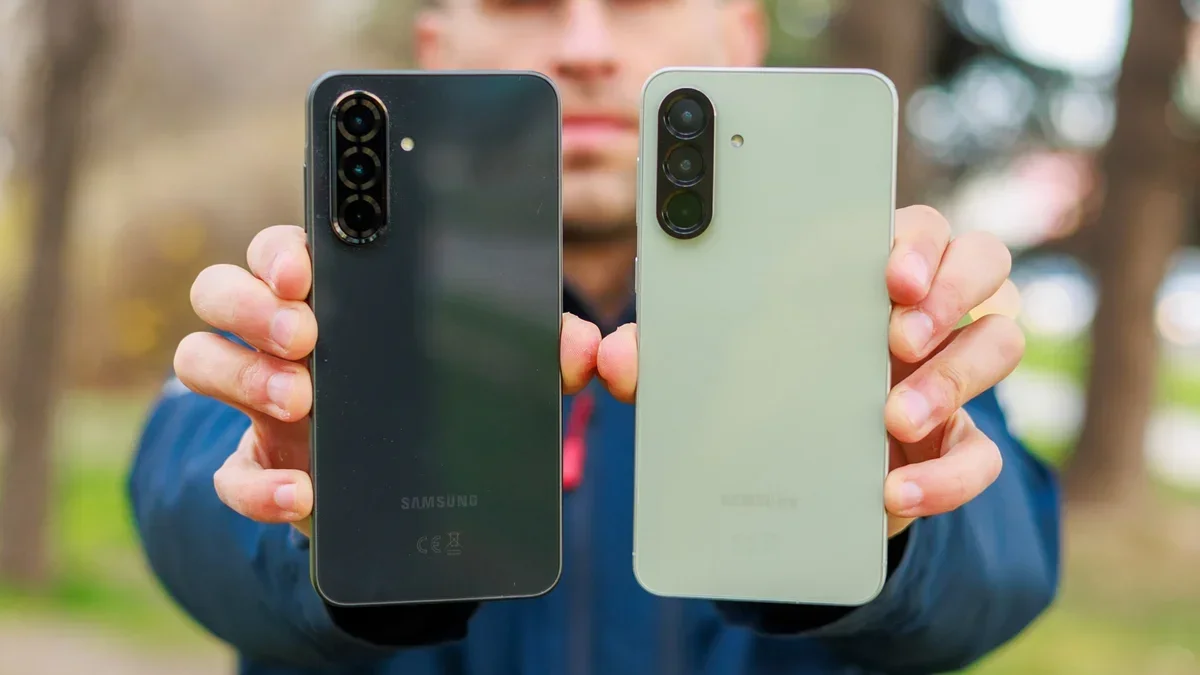
Key point: the Galaxy A57 appears to be a minimal refresh — the main change is a chipset bump to Exynos 1680 from the Exynos 1580, while screen, RAM/storage, camera, battery and charging are reported unchanged versus the A56. The phone remains positioned as a strong value versus the vanilla Galaxy S26 (larger battery/faster charging and lower entry price), but the limited upgrades signal product stagnation that could erode Samsung's innovation perception in the midrange segment. Market impact is low in the near term (unlikely to move Samsung shares materially) though it may carry modest long-term competitive risk if rivals continue to introduce disruptive features at lower price points.
Samsung’s midrange product stagnation is a demand-structure signal, not just a design critique. When a market leader pauses feature innovation in a volume segment, upgrade frequency and ASP growth both tend to compress; expect pressure to show up in component orders within the next 1–2 quarters and in retail sell-through over the following 2–4 quarters. That redistribution benefits firms that can credibly claim differentiation (design, battery, camera tech) and penalizes incumbents whose moat is scale rather than novelty.
Second-order supply-chain effects will be subtle but investable: a prolonged “feature freeze” reduces spot demand for higher-margin modules (periscope lenses, advanced PMICs, fast-charging ICs), flattening revenue for specialized suppliers and raising inventory risk for contract manufacturers. Conversely, Samsung can mechanically defend margins by leaning into price/volume trade-offs or cutting discretionary R&D — both moves support short-term EPS but degrade brand premium over 12–24 months. A key reversal catalyst would be a competitive OEM rollout (within 3–6 months) that materially shifts upgrade incentives — periscope telephoto or novel battery tech at <$500 would force retail repricing and marketing arms race.
The consensus is fixated on headline share gains and misses the asymmetric optionality: incumbents (Apple) win from reduced Android excitement because iOS lock-in converts incremental uncertainty into fewer defections, while Google’s ad/commerce monetization is exposed to any contraction in high-end Android engagement. This makes a short-duration relative value tilt favorable: play for a 3–9 month window where consumer attention consolidates and services monetization follows device mindshare, then reassess on handset sell-through and supplier order cadence.
AI-powered research, real-time alerts, and portfolio analytics for institutional investors.
Request DemoOverall Sentiment
mildly negative
Sentiment Score
-0.30
Ticker Sentiment
