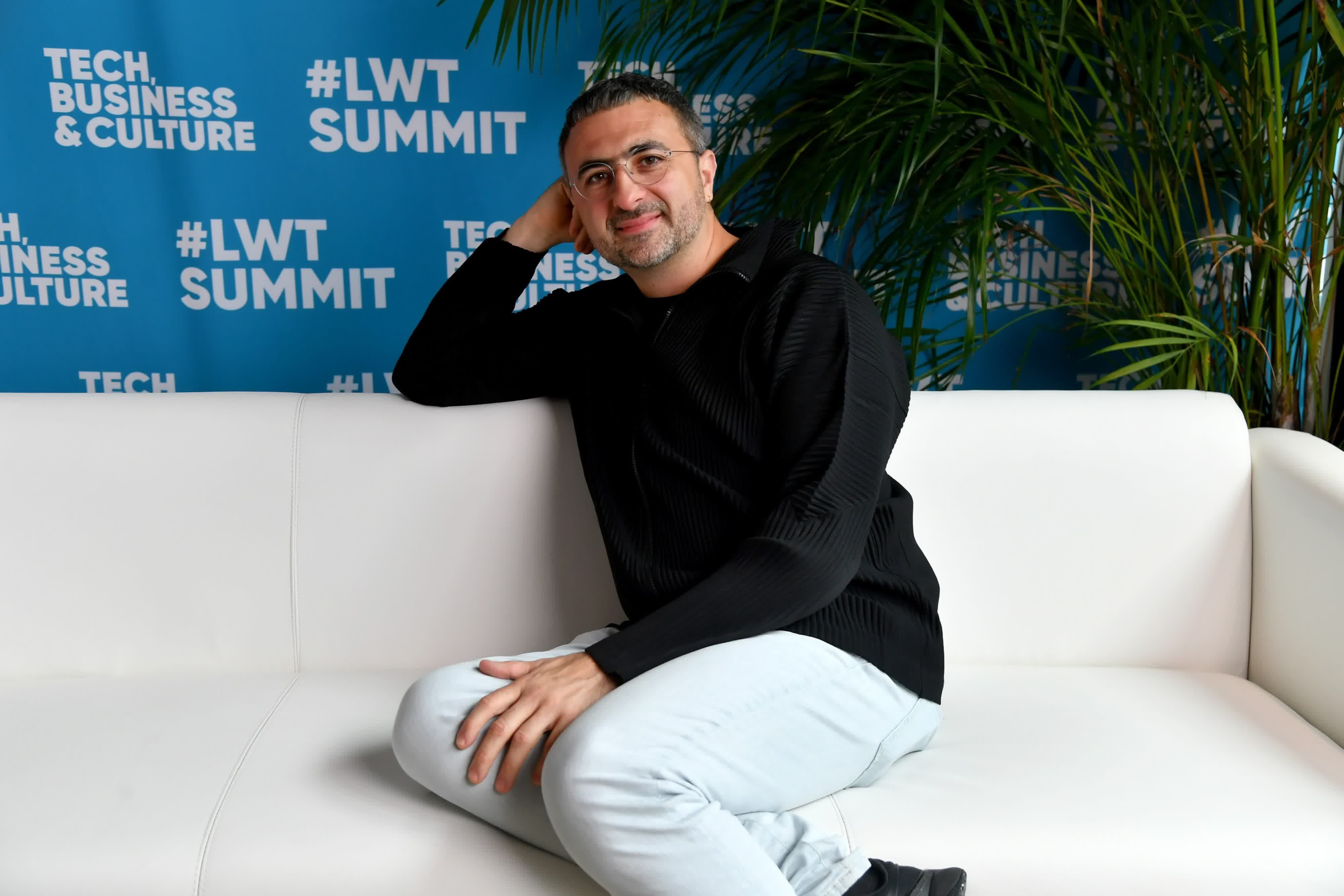
Microsoft AI group CEO Mustafa Suleyman publicly dismissed critics as “cynics” in a Nov. 19 X post, highlighting conversational and generative AI capabilities as the company continues to ramp investments that will soon exceed $90 billion. The article notes that much of the public backlash is not about capability but about externalities—energy and land use for data centers, higher electricity bills, job displacement, market-bubble and AGI worries—and that controversy intensified after Windows President Pavan Davuluri’s comments about an “agentic” operating system. Despite criticism, Microsoft plans to ship experimental agentic features in a private developer preview for unpaid Windows Insider testers, a move that accelerates productization but may raise reputational and adoption risks for the company and the broader AI sector.
Microsoft AI group CEO Mustafa Suleyman publicly dismissed critics as "cynics" in a Nov. 19 post on X, arguing conversational and generative AI capabilities should impress users; the company has committed to AI investments that will soon exceed $90 billion. The article ties Suleyman's remarks to backlash over Windows President Pavan Davuluri's comments about an "agentic" operating system and notes Microsoft plans to ship experimental agentic features in a private developer preview to unpaid Windows Insider testers.
The reported public resistance is less about capability and more about externalities: energy and land use for data centers, higher electricity bills, job displacement, market-bubble and AGI concerns. Sentiment metrics in the briefing show a moderately negative tone (sentiment_score -0.5, market_impact_score 0.35) and per-ticker negativity biased toward MSFT (-0.5), implying reputational and adoption risk that could pressure near-term investor sentiment.
The $90 billion investment signal indicates strategic commitment and potential long-term productization, but it also raises capex and ESG scrutiny that can affect margins and regulatory exposure. Near term, Microsoft faces a trade-off between accelerating product rollout through unpaid previews and managing user/regulatory pushback; key indicators to watch are Insider-preview reception, adoption rates, and any disclosures on data-center capex or energy impact.
AI-powered research, real-time alerts, and portfolio analytics for institutional investors.
Request DemoOverall Sentiment
moderately negative
Sentiment Score
-0.50
Ticker Sentiment
