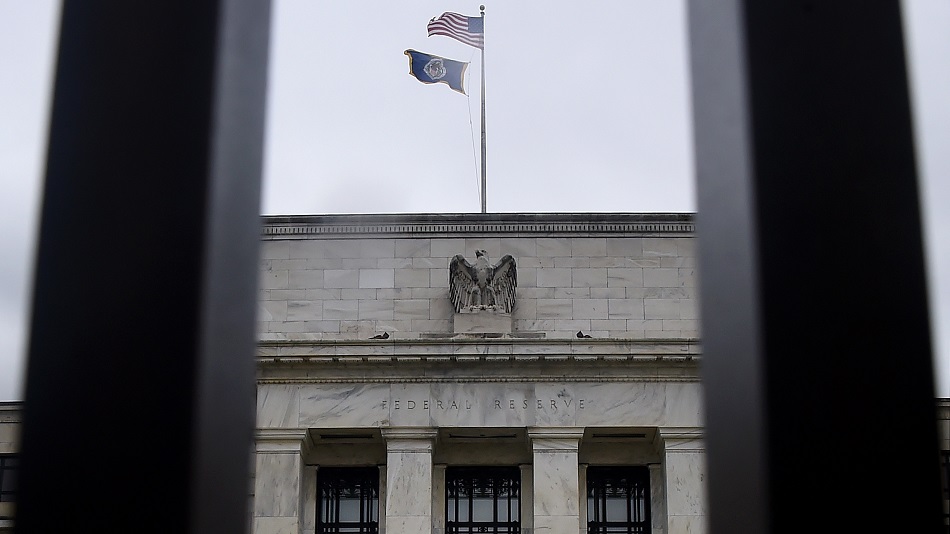
JPMorgan Asset Management's global head of fixed income, Bob Michele, anticipates the Federal Reserve will likely maintain current interest rates through September, emphasizing the need for additional economic data later in the year before any rate decisions are made.
According to Bob Michele, JPMorgan Asset Management's global head of fixed income, the Federal Reserve is anticipated to maintain its current interest rate policy through its September meeting. This perspective is predicated on the central bank's need to evaluate additional economic data before committing to a change in monetary policy. The forecast suggests a period of data-dependency for the Fed, introducing a level of uncertainty into the market outlook for the latter part of the year. This 'wait-and-see' approach from a prominent voice in the fixed income market implies that near-term rate stability may precede potential adjustments later on, contingent entirely on forthcoming economic indicators.
AI-powered research, real-time alerts, and portfolio analytics for institutional investors.
Request DemoOverall Sentiment
neutral
Sentiment Score
0.00
Ticker Sentiment
