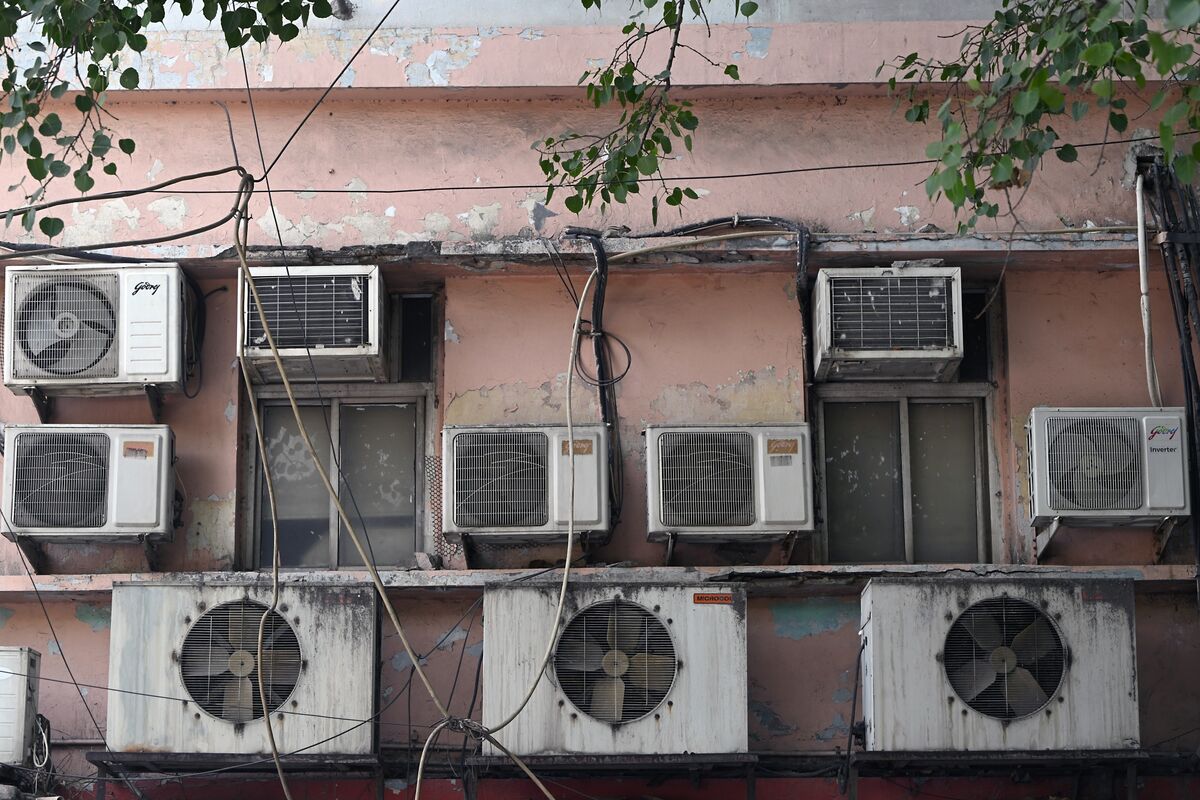
India is collaborating with appliance manufacturers to standardize air conditioner cooling ranges, setting a minimum temperature of 20C (68F), to reduce energy consumption amid rising electricity demand. With current thermostats adjustable to 16C, this initiative aims to boost energy efficiency as India's electricity demand has surpassed generation capacity, leading to power shortages during peak summer months.
India is advancing a regulatory initiative in collaboration with appliance manufacturers to standardize air conditioner (AC) cooling temperatures, proposing a minimum setting of 20°C (68°F), a significant shift from current capabilities where some thermostats can be adjusted as low as 16°C. This measure directly targets the substantial energy consumption attributed to AC units, aiming to alleviate a critical national challenge where soaring electricity demand, particularly during peak summer months from April to June, has frequently outpaced generation capacity, leading to widespread power shortages. The government's plan, although currently in its initial stages, underscores a strategic focus on enhancing national energy efficiency. The overall sentiment towards this development is moderately positive, reflecting its sound environmental and resource management rationale; however, its immediate market impact score is assessed as low, suggesting that significant financial market re-pricing is not anticipated, likely due to the policy's nascent stage and its broad, rather than company-specific, nature. This initiative aligns with global ESG trends and signals a potential evolution in operational standards and product specifications within the Indian appliance market, potentially favoring innovation in energy-saving technologies.
AI-powered research, real-time alerts, and portfolio analytics for institutional investors.
Overall Sentiment
moderately positive
Sentiment Score
0.40
