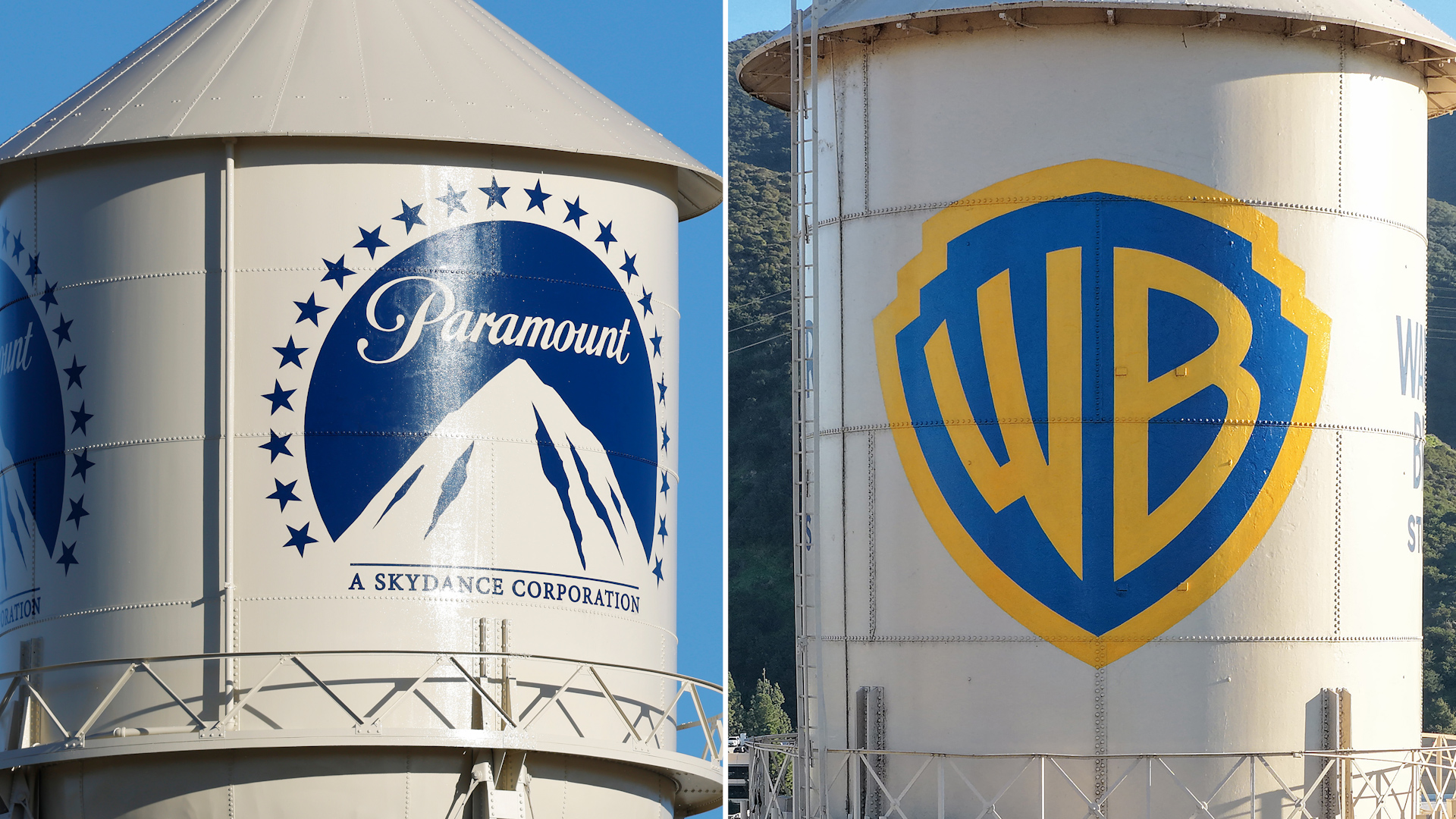
Paramount has lodged a hostile takeover bid that management claims tops Netflix’s offer for Warner Bros. Discovery, touching off a bidding war that could force Netflix to raise its proposal. Netflix’s offer reportedly values the deal at roughly $27.75 per share plus about $4 from a cable-asset spin-off (≈$32/share), while regulators’ antitrust scrutiny — particularly how the market is defined relative to rivals like YouTube and TikTok — and the possibility of alternate deal structures (including a ~$5.8bn cash component referenced) create material execution and regulatory risk that investors are watching closely.
Market structure: Winners are WBD shareholders and any acquirer that avoids CNN (Paramount/Para), losers are net-cash/stock issuers (Netflix if forced to top the bid) and smaller streamers facing higher content prices. A combined Netflix+HBO would reach ~400M subs vs YouTube's higher reach, but DOJ likely uses narrow market definitions — meaning regulatory risk is binary not gradational. Expect upstream content bidding and licensing costs to rise, pressuring streaming EBITDA margins by ~200–400bps over 12–24 months if consolidation continues.
Risk assessment: Tail risks include (1) DOJ/FTC blocking a Netflix acquisition (resulting in a >20% gap between current market prices and bid-implied values), (2) Netflix overpaying and triggering a >15% equity dilution/write-down cycle, or (3) a multi-bid auction driving WBD breakup and special dividends. Near-term (days–weeks) risk is IV-driven equity volatility; medium-term (1–6 months) is regulatory filings/shareholder votes; long-term (1–3 years) is structural subscriber share shifts to short-form platforms. Hidden dependencies: political signaling, financing terms for hostile bids, and spin-off value realization of cable assets.
Trade implications: Direct plays — establish a tactical long in WBD (1.5–3% NAV) with a stop at -8% and a target +20–35% over 3–6 months if sale/auction closes; initiate a small short or put hedge on NFLX (0.5–1.5% NAV) via 30–60 day 10% OTM put spreads to hedge downside to $30. Pair trade — long PARA (PARAM?) or PARA call spread vs short NFLX to capture takeover premium divergence; size 1–2% net. Options — buy 30–60 day NFLX put spreads and sell 30-day OTM calls to finance; consider long-dated WBD calls (3–9 months) for asymmetric upside. Rebalance streaming/entertainment exposure toward diversified media conglomerates, rotate out of pure-play streaming if M&A premium exceeds fundamentals.
Contrarian angles: The market is pricing regulatory doom for Netflix; history (TimeWarner/AT&T) shows antitrust outcomes can favor deals after remedies, so downside may be capped. Consensus underestimates value extraction by WBD management — further auctioning could lift WBD equity by another 10–25% before closing. Unintended consequences: protracted bidding inflates content costs and forces price hikes/sub churn across the sector, creating a 6–12 month demand elasticity test; that’s the real structural risk to streaming multiples.
AI-powered research, real-time alerts, and portfolio analytics for institutional investors.
Request DemoOverall Sentiment
neutral
Sentiment Score
0.00
Ticker Sentiment
