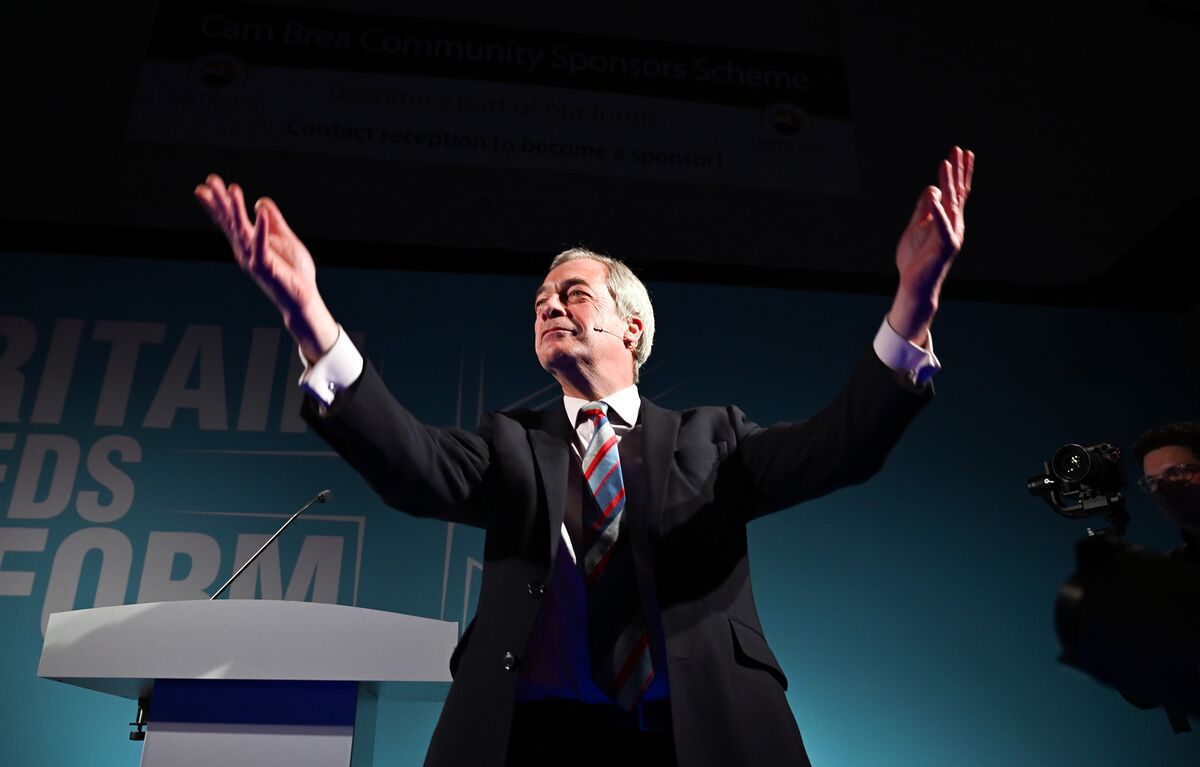
Reform UK received a record single political donation of £9 million ($12 million) from Christopher Harborne, an early Bitcoin investor who holds about 12% of the crypto exchange Bitfinex, linked by parent ownership to stablecoin issuer Tether. The size and provenance of the gift has intensified debates in Westminster over caps on political spending and raised concerns that wealthy crypto backers could bankroll upstart parties and import aggressive campaign tactics, creating potential regulatory and political scrutiny rather than immediate market-moving effects.
Market structure: The £9m crypto-to-politics transfer signals concentrated crypto wealth can directly fund UK political challengers, advantaging niche media, targeted digital ad vendors, and political-betting platforms while raising reputational/regulatory risk for crypto incumbents tied to Bitfinex/Tether. Expect modest reallocation of short-term campaign-related spend (digital ad CPMs up low-single digits in UK) and higher hedging demand in FX and gilts as political uncertainty raises the probability of sterling/gilt volatility by ~30% vs baseline for 3 months.
Risk assessment: Tail risks include rapid regulatory action (UK/EU stablecoin restrictions, campaign-finance caps) or US enforcement spillovers targeting entities linked to the donor—each could trigger >20% drawdowns in exchange-linked equities (3–6 months). Immediate risks (days) are FX/gilt moves; short-term (weeks) is polling-driven fund flows; long-term (quarters) is structural regulation increasing compliance costs for exchanges and stablecoin issuers.
Trade implications: Tactically favor small, defensive exposures: hedge GBP exposure and add short-duration gilt protection while avoiding large directional crypto-exchange equity bets. Consider tactical, size-constrained positions (0.5–2% NAV) because market-impact is low but asymmetric regulatory tail risk exists; use options to cap downside and finance via nearby spreads.
Contrarian angles: Consensus may overstate permanent damage to crypto: regulatory clampdowns often produce market-share shifts to decentralized venues and pump spot crypto flows—so a small, disciplined long-BTC exposure as a volatility hedge can pay off if enforcement is selective. Also, political cap proposals (if passed) would reduce future headline risk, creating a durable buying opportunity in beaten-down fintech/crypto equities.
AI-powered research, real-time alerts, and portfolio analytics for institutional investors.
Request DemoOverall Sentiment
mildly negative
Sentiment Score
-0.25
