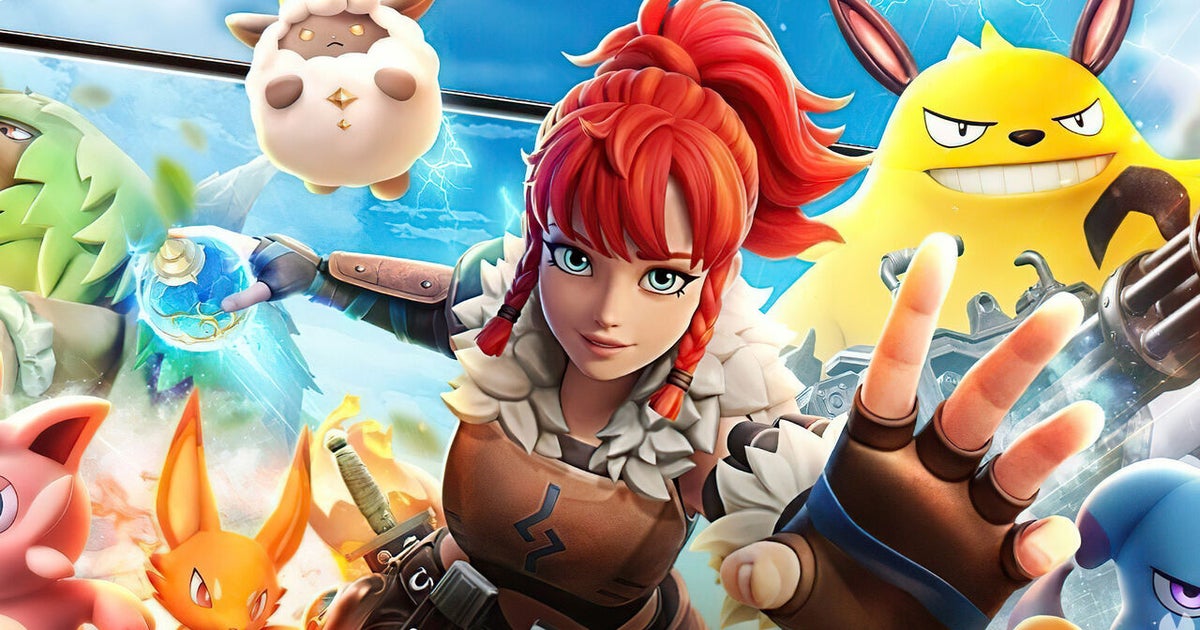
Nintendo received another patent rejection from the Japan Patent Office on 24 April 2026 for a touchscreen-specific monster-catching application, with the examiner saying the claims lacked inventive step over prior art. The ruling is another setback in Nintendo’s ongoing legal battle with Pocketpair over Palworld-style mechanics. The update is notable for IP strategy but is unlikely to have broad market impact.
The immediate loser is not just Nintendo’s legal team; it’s the credibility of its IP moat as a monetization lever. When a patent office repeatedly frames the claims as a generic game rule set rather than a defensible technical invention, the practical effect is that smaller publishers and mobile developers can price in a lower probability of injunction-style disruption, especially outside Japan where enforcement is slower and more expensive. That matters most for mobile-first clones and live-service titles, where the economic value comes from keeping content cadence uninterrupted rather than from the initial launch.
Second-order, this is a tailwind for any company exposed to user-generated or creature-collector mechanics that fear “mechanics-level” litigation. If Nintendo’s challenge weakens, the market may see a modest re-rating in names whose product design lives near the edge of genre conventions, because the legal overhang becomes more about nuisance cost than existential blocking power. The bigger winner could be platform holders and app stores, which prefer disputes that stay in court rather than forcing ecosystem-level takedowns that create precedent for broader moderation obligations.
The key catalyst window is months, not days: patent amendments, examiner responses, and appeal dynamics can drag into 2027, so the near-term stock impact is likely muted unless there is a headline about an actual rejection becoming final. The real upside surprise for Nintendo would be a narrower re-write that converts the patent into something genuinely technical; absent that, each incremental rejection raises the expected cost of pursuit and lowers the strategic value of aggressive IP brinkmanship. Conversely, if Nintendo pivots from patents to contractual or distribution pressure, the market could briefly confuse legal aggression with competitive strength even as the underlying enforceability remains weak.
The contrarian view is that this is probably more noise than cash-flow impact for Nintendo in the medium term: Pokémon-linked consumer demand is driven by brand and content, not by the patent outcome. But for the broader gaming ecosystem, the move is underappreciated as a signal that “game mechanic” patents are less potent than many assumed, which could slightly compress the litigation discount applied to innovative mid-cap game studios over the next 6-12 months.
AI-powered research, real-time alerts, and portfolio analytics for institutional investors.
Request DemoOverall Sentiment
mildly negative
Sentiment Score
-0.25
