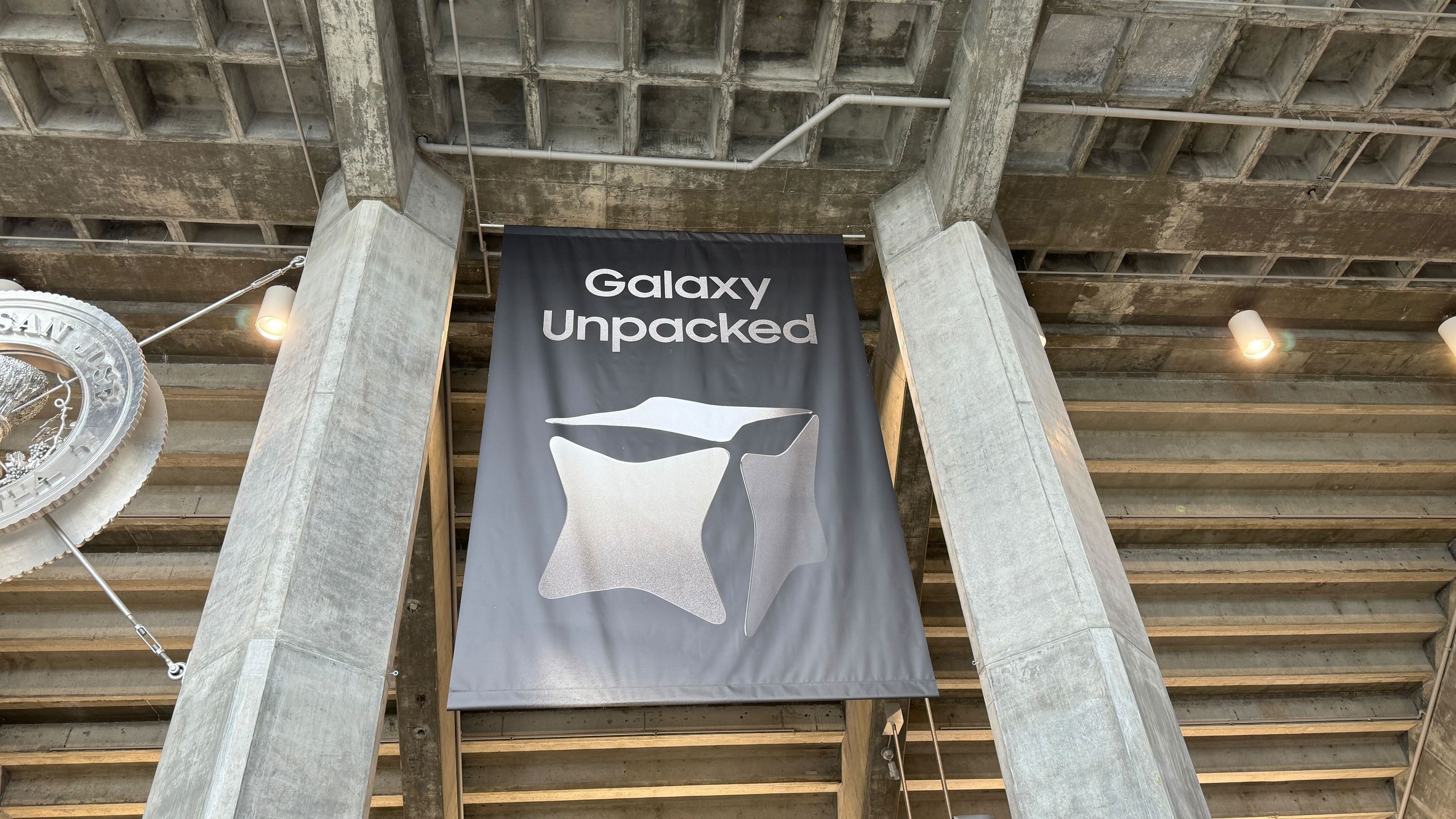
Samsung's early-2026 Galaxy Unpacked (leaks point to Feb. 25) is expected to unveil the Galaxy S26 family—standard, Plus and Ultra—with iterative upgrades including likely Snapdragon 8 Elite Gen 5 chips, higher base storage (S26 possibly starting at 256GB), a larger S26 battery (~4,300mAh), and an S26 Ultra boost to ~60W charging and a 5,200–5,400mAh battery. The event may also set U.S. availability/pricing for the Galaxy Z Trifold and showcase new on-device AI features (reports of a Perplexity partnership to enhance Bixby), developments that could influence demand trends and component sourcing for Qualcomm/Exynos, camera-sensor and charging suppliers.
Market structure: Incremental S26 hardware upgrades imply limited headline volume lift for Samsung (005930.KS / SSNLF) but selective upside for component vendors—Qualcomm (QCOM) if Snapdragon 8 Elite Gen 5 is adopted widely, NAND/DRAM suppliers (MU, 000660.KS) from a baseline storage bump to 256GB, and camera-sensor suppliers (SONY 6758.T or Samsung ISOCELL within 005930.KS). Expect ASP uplift of ~1–3% for Samsung if higher storage and magnetic charging are priced in; accessory and removable-storage demand (WDC) may fall 5–15% over 6–12 months. Pricing power shifts modestly to chip suppliers; OEM margins likely flat-to-up slightly depending on supply agreements.
Risks: Tail scenarios include a supply-chain shock (TSMC/packaging outage) delaying rollouts, regulatory pushback on AI partnerships (data/privacy) affecting feature rollout, or weak consumer reception causing channel inventory write-downs (earnings hit >3–5% for Samsung). Immediate (days) risk = event-driven volatility around Feb 25; short-term (weeks–months) = pre-order/sell-through rates and carrier subsidy behavior; long-term = replacement-cycle elasticity if upgrades are perceived as incremental. Hidden dependencies: carrier subsidies, regional Exynos vs Snapdragon splits, and review-driven sell-through.
Trade implications: Favor component plays over OEM: establish tactical (2–3%) long QCOM for 3-month horizon to capture Snapdragon tailwind and buy 3-month call spreads (e.g., 1x +15% / +30% strikes) to limit downside. Add 1–2% long MU or 000660.KS for NAND demand from higher base storage (target +10–20% in 6 months). Consider pair: long QCOM, short SSNLF (0.5–1%) as a relative-value trade if market rewards suppliers more than OEMs; use protective stops (8–10%). Rotate modestly into semiconductors and Korean electronics supply chain, reduce exposure to accessory retailers by 1–2%.
Contrarian view: Consensus sees a muted event; the market may underprice on-device AI features—if Samsung demonstrates credible Perplexity/Bixby integration with on-device NPU acceleration, incremental software monetization and reduced dependence on Google could be a 6–12 month catalyst (re-rate +5–10%). Conversely, disappointment is underappreciated: historically Samsung S-series incremental cycles (S9/S10) produced little share gain and created inventory risk. Watch pre-order sell-through >20% vs prior cycle as the primary signal to scale positions up or down.
AI-powered research, real-time alerts, and portfolio analytics for institutional investors.
Request DemoOverall Sentiment
mildly positive
Sentiment Score
0.25
