Mali's ruling junta is actively seeking U.S. investment and security assistance to combat Islamist insurgents and bolster a regional alliance of military-led West African states, as evidenced by recent talks with U.S. officials, including Deputy Assistant Secretary of State William Stevens. This engagement signals potential shifts in geopolitical alignment and U.S. strategic interests within the volatile West African landscape, particularly concerning counter-terrorism efforts and regional stability.
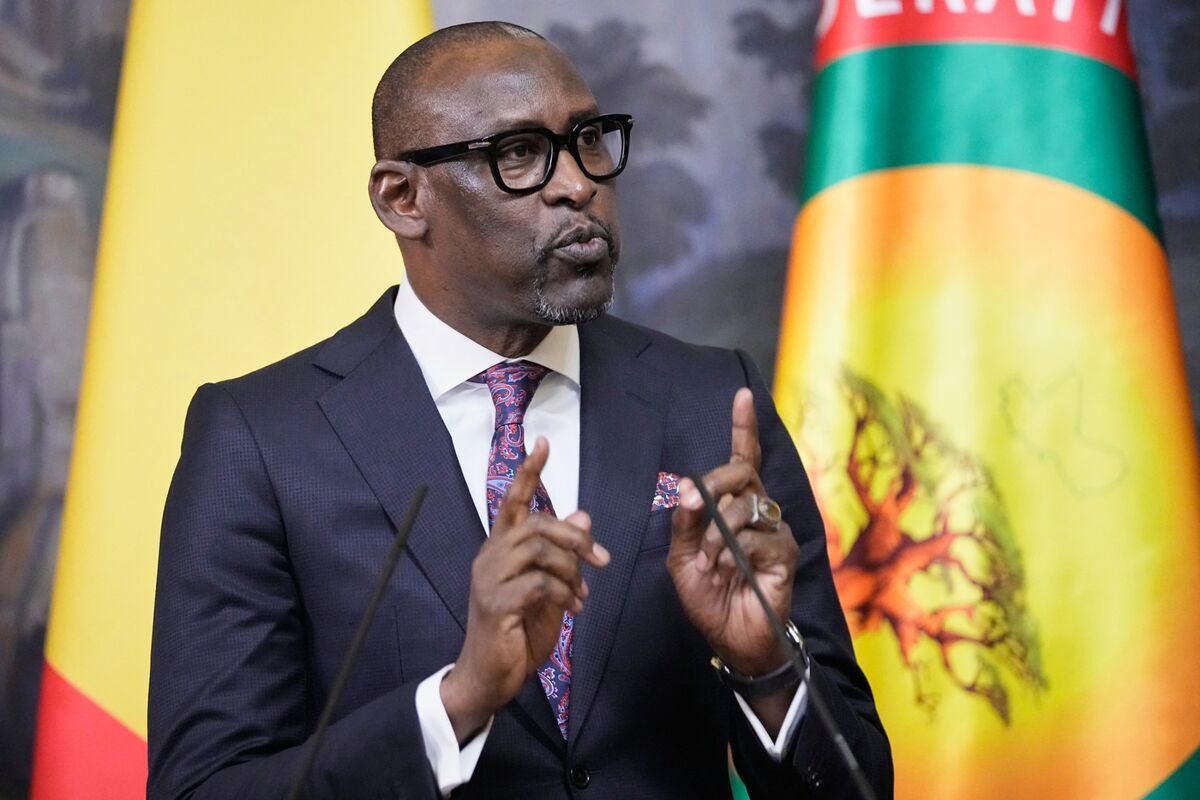
Mali's ruling junta is initiating a pivot towards the United States for both economic investment and security cooperation, a notable development in the geopolitically sensitive West African region. The direct engagement, confirmed by a meeting between Malian Foreign Minister Abdoulaye Diop and a U.S. delegation led by Deputy Assistant Secretary of State William Stevens, signals an attempt to secure support against Islamist insurgents and to legitimize a new regional alliance of military-led states. While the market impact is currently assessed as minimal and sentiment is neutral, this diplomatic outreach represents a potential shift in regional alignments. For investors, the key takeaway is the exploration of new partnerships in a volatile but resource-relevant area, with potential long-term implications for sectors like defense, infrastructure, and natural resources should these talks progress into tangible agreements.
AI-powered research, real-time alerts, and portfolio analytics for institutional investors.
Request DemoOverall Sentiment
neutral
Sentiment Score
0.00
