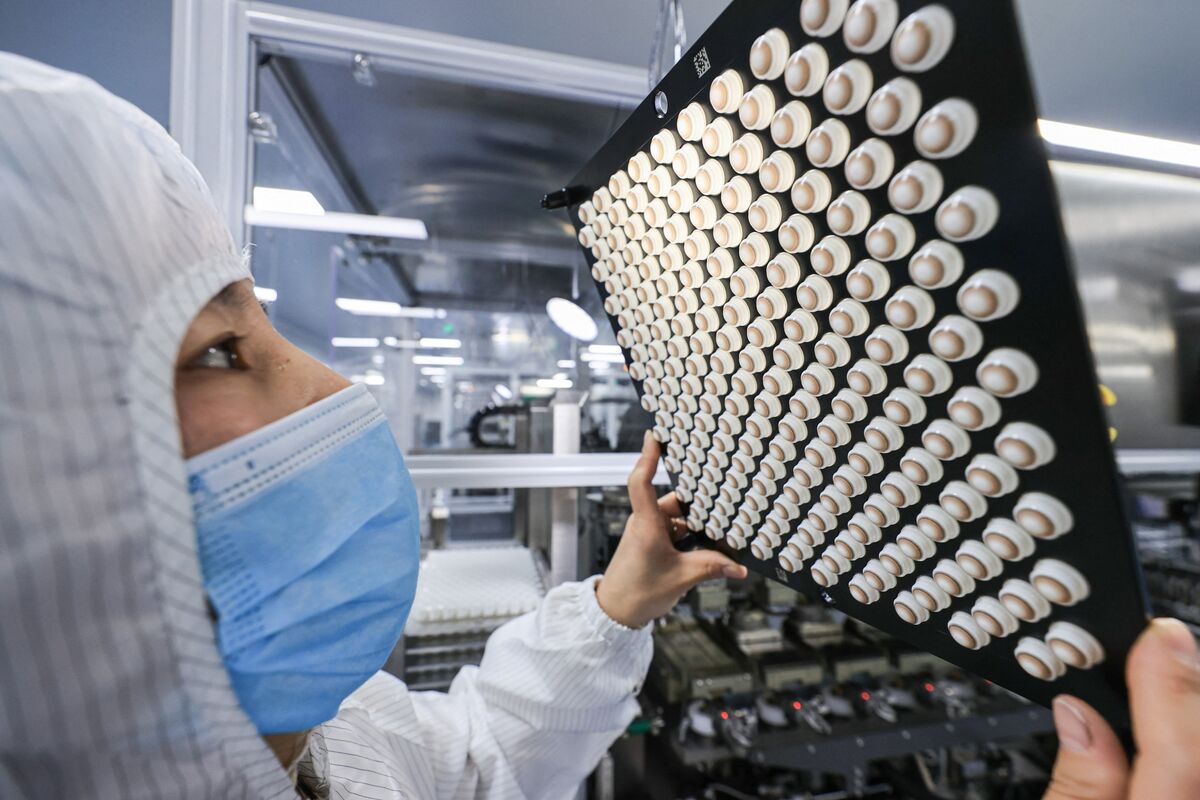
Private equity firm Advent has paid approximately $10 million in breakup fees after its planned $1.1 billion acquisition of Ginko International Co.'s China operations from EQT AB collapsed near completion. Advent reportedly went quiet in the final stages of the transaction, indicating significant late-stage execution risks and potential challenges in large cross-border private equity deals.
The planned $1.1 billion sale of Ginko International Co.'s mainland China operations from EQT AB to Advent has collapsed, signifying a material failure in a major private equity transaction. The deal's termination occurred in the final stages, with Advent paying a breakup fee of approximately $10 million, a sum that is nominal relative to the transaction size. This late-stage withdrawal by Advent highlights significant execution risk and potential underlying challenges in large, cross-border M&A, particularly those involving Chinese assets. The market's reaction, reflected in a strongly negative sentiment score (-0.7) for EQT, indicates investor disappointment in the firm's inability to complete this sizable divestiture, as the breakup fee provides minimal compensation for the failed liquidity event and the strategic implications of holding the asset.
AI-powered research, real-time alerts, and portfolio analytics for institutional investors.
Request DemoOverall Sentiment
moderately negative
Sentiment Score
-0.50
Ticker Sentiment
