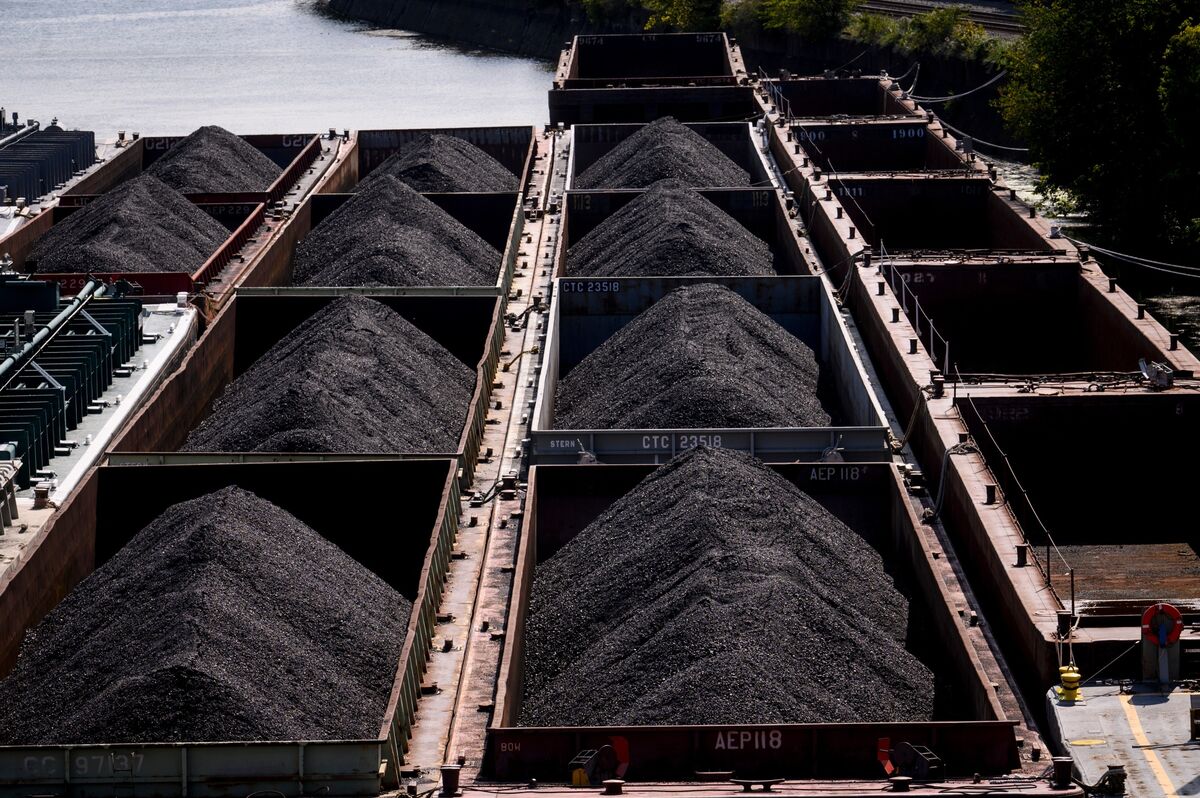
The US and China are pursuing starkly divergent energy strategies to power the rapidly expanding artificial intelligence sector, with the US relying on fossil fuels and Beijing favoring a cleaner path. This strategic divergence is critical as global data center electricity consumption is forecast to quadruple to 1,600 terawatt-hours annually over the next decade, underscoring the immense and growing energy demands of the AI boom.
The US and China are pursuing starkly divergent energy strategies to accommodate the voracious electricity demands of the artificial intelligence boom. This strategic split is set against a backdrop of immense projected growth, with global data center energy consumption forecasted by BloombergNEF to quadruple to 1,600 terawatt-hours annually over the next decade. The United States is reportedly planning to meet this demand surge primarily through fossil fuels, a strategy that could favor conventional power generators in the short-to-medium term but may also introduce long-term carbon-related regulatory and ESG risks. Conversely, Beijing is orienting its AI infrastructure development towards a cleaner energy path, signaling a sustained policy push for renewables. This bifurcation creates distinct investment landscapes, tying the future of AI competitiveness not just to semiconductor technology but directly to national energy policy, with significant implications for geopolitical positioning, supply chain resilience, and the global energy transition.
AI-powered research, real-time alerts, and portfolio analytics for institutional investors.
Request DemoOverall Sentiment
neutral
Sentiment Score
0.00
