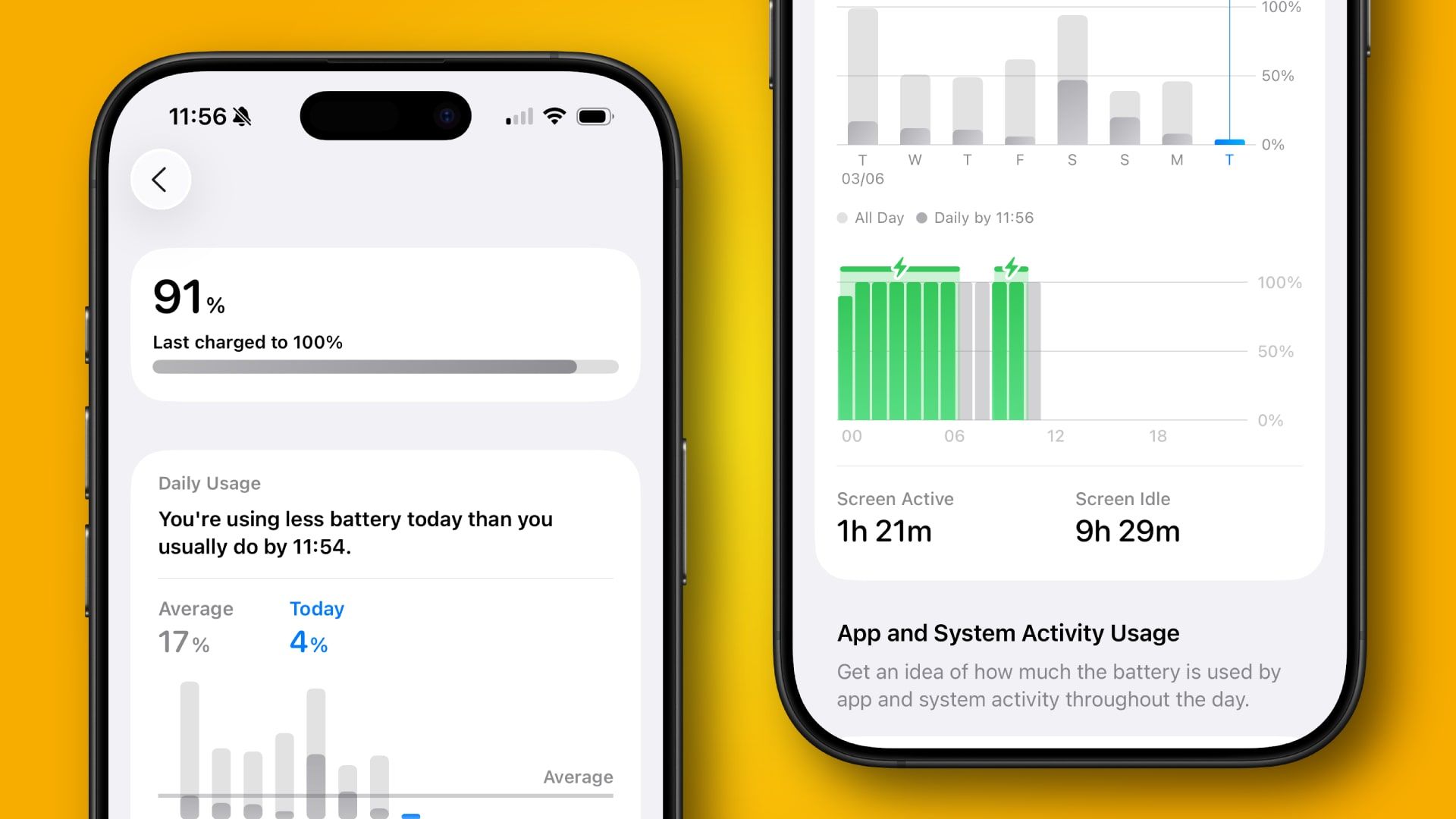
Apple is expected to preview iOS 27 at WWDC 2026; Bloomberg reporter Mark Gurman characterizes it as a code 'cleanup' that could modestly improve battery life and responsiveness across iPhones compatible with the update, including older models. The changes appear to be efficiency and maintenance-focused rather than feature-driven, implying limited direct revenue impact, while the article also reiterates existing user actions (Low Power Mode, Adaptive Power Mode, display and connectivity settings) to mitigate current iOS 26 battery issues.
Market structure: A clean-up iOS 27 that measurably improves battery life is a mild positive for Apple (AAPL) because it raises perceived device utility and may modestly reduce churn among high-end users; expect any re-rating to be single-digit percent in market cap unless Apple ties it to device upgrades. Winners: AAPL (services monetization longer-term), AppleCare/repair revenue may dip; losers: aftermarket battery replacers and incremental accessory/battery sellers. On supply/demand, longer device life could shave replacement-driven handset volumes by low-single-digit percentage points over 12–24 months, creating marginal headwinds for battery raw-material demand (lithium/cobalt) and component suppliers.
Risk assessment: Tail risks include a buggy iOS 27 rollout that depresses sentiment (immediate 1–2 week risk post-beta) or regulatory/antitrust scrutiny if changes affect app behavior (medium-term). Hidden dependencies: benefit size depends on how Apple rewrites APIs and third-party app behavior — if apps keep background activity, battery gains may be <1–2%. Key catalysts: WWDC (June 2026), public betas (Apr–May), and Sept device cycle; these will drive re-pricing.
Trade implications: Tactical trades favor small, defined-risk bullish exposure to AAPL into WWDC (capture upside from perceived UX improvement) while reducing exposure to battery/commodity-sensitive miners/ETFs. Options markets should compress IV into WWDC; prefer debit spreads to avoid vega decay and size positions to 0.5–1.5% of portfolio. Rebalance if Apple quantifies >1–2% device-life uplift or guidance changes.
Contrarian view: Consensus may overestimate consumer reaction — historical parallels (iOS 12 performance fixes) improved sentiment but did not materially accelerate upgrade cycles. The market is likely underestimating second-order effects: longer device life pressures component suppliers and raw-material demand over multiple quarters even if AAPL equity sees modest upside. An overenthusiastic bid into WWDC could fade quickly absent concrete upgrade-driven revenue upside.
AI-powered research, real-time alerts, and portfolio analytics for institutional investors.
Request DemoOverall Sentiment
neutral
Sentiment Score
0.10
Ticker Sentiment
