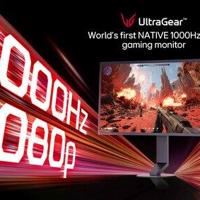
LG Electronics unveiled the UltraGear 25G590B, described as the world's first native 1000Hz Full HD gaming monitor, targeting competitive FPS and esports users. The 24.5-inch display adds Motion Blur Reduction Pro, an IPS panel with low-reflection film, and on-device AI features for scene and sound optimization. The announcement is strategically positive for LG's gaming display franchise, but the near-term market impact is likely limited.
This is less about immediate unit economics and more about signaling where the high-end monitor market is headed: the premium tier is likely to bifurcate into true performance hardware versus feature-stuffed midrange products. If native 1000Hz is even partially validated in the market, it raises the bar for esports peripherals and could pull demand forward for complementary categories like low-latency GPUs, premium mice, and capture/streaming gear. The first-order beneficiary is the brand that can own the “performance leader” narrative; the second-order loser is any monitor vendor relying on incremental refresh-rate bumps as its main differentiation.
The supply-chain implication is interesting: pushing 1000Hz at 1080p likely requires tighter panel binning, stronger timing-controller performance, and more expensive QA, which can compress gross margins initially even if ASPs are higher. That means the real earnings upside may not come from this SKU itself, but from halo effects that improve sell-through of the broader gaming lineup and increase retailer willingness to allocate shelf space. Competitors with larger gaming ecosystems may respond with “good enough” 360–540Hz products bundled with software features, trying to defend share without matching the engineering cost curve.
The market may be underestimating how small this addressable market is near term. Native 1000Hz is a prestige product with limited conversion in practical play unless latency-sensitive titles and PC hardware can fully exploit it; adoption should be measured in months to years, not weeks. The contrarian risk is that this becomes a headline demo that attracts attention but not volume, especially if consumers view higher-end GPUs or OLED panels as better ways to improve gaming experience per dollar.
For public comps, the key question is whether this launch pressures rivals to spend more on R&D and marketing without incremental margin payoff. If so, it is mildly negative for commodity monitor vendors and neutral-to-positive for category leaders that can leverage brand and distribution. The bigger winner may be premium component suppliers, because every leap in refresh-rate ceiling tends to force upstream upgrades in controller silicon, interface bandwidth, and validation tooling.
AI-powered research, real-time alerts, and portfolio analytics for institutional investors.
Request DemoOverall Sentiment
mildly positive
Sentiment Score
0.35
