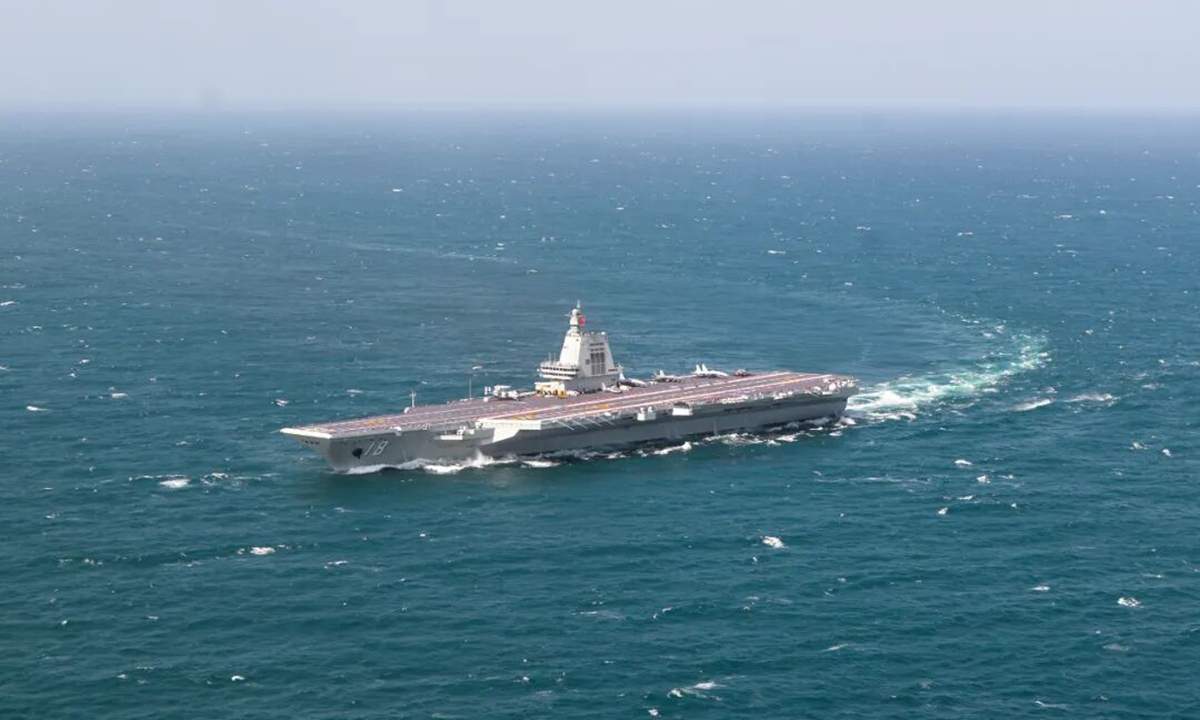
China's third aircraft carrier Fujian conducted live-force maritime training and transited the Taiwan Straits following its November 5 commissioning, with Taiwan authorities reporting multiple PLA aircraft sorties and naval vessels in the area. The carrier, a domestically built, catapult-equipped platform with a full-load displacement over 80,000 tons, is undergoing continued tests, carrier-aircraft adaptation and potential maintenance or shipyard adjustments as it matures toward operational capability. The movement is characterized by mainland commentators as routine post-commissioning trials, but it reinforces regional military modernization and geopolitical risk that can modestly influence defense-sector sentiment and broader EM risk premia.
Market structure: The Fujian transit signals incremental but persistent demand upside for aerospace & defense primes and high-end shipbuilding suppliers over 6–36 months. Direct winners: US/EU defense contractors (LMT, NOC, GD, RTX), aerospace/defense ETFs (ITA, XAR), and specialty power-electronics/semiconductor suppliers (NXPI, ADI) that sell electrification and EM catapult tech; losers: short-cycle Taiwan-facing tourism, regional carriers, and Taiwan-equity ETF EWT in near-term risk-off. Expect modest pricing power for defense OEMs as governments re-prioritize budgets; shipyard capacity constraints imply multi-year orderbook growth rather than immediate revenue shock.
Risk assessment: Tail risks include a localized kinetic incident causing a 10–30% regional equity drawdown and +$10–$25/bbl crude spike, or broad sanctions that disrupt semiconductor supply chains. Immediate (days): volatility & FX dislocation (TWD weakening); short-term (weeks–months): re-rating of defense names and higher Asian risk premia; long-term (quarters–years): sustained capex into carriers, missiles, and domestic semiconductors. Hidden dependencies: export controls, US aid packages, and shipyard throughput; catalysts include US defense appropriations, Taiwan elections, and PLA exercise cadence.
Trade implications: Tactical: buy defense exposure and hedged Taiwan downside over 1–6 months. Implement options to control downside: use puts on EWT/TSM and call spreads on LMT/ITA. Cross-asset: expect safe-haven bids in USTs (IEF/TLT) and gold (GLD) on spikes; energy upside if escalation persists.
Contrarian angle: Markets may overreact to routine carrier transits — the 2019 Shandong episode produced only transient dislocation; therefore size positions conservatively and hunt for mean-reversion after initial volatility. A mispriced opportunity is short-dated Taiwan downside (0–3 month puts) vs 6–12 month longs in defense primes: if no kinetic escalation occurs, options will decay favoring sellers, but selective buy-protection is warranted should escalation exceed stated thresholds.
AI-powered research, real-time alerts, and portfolio analytics for institutional investors.
Request DemoOverall Sentiment
neutral
Sentiment Score
-0.05
