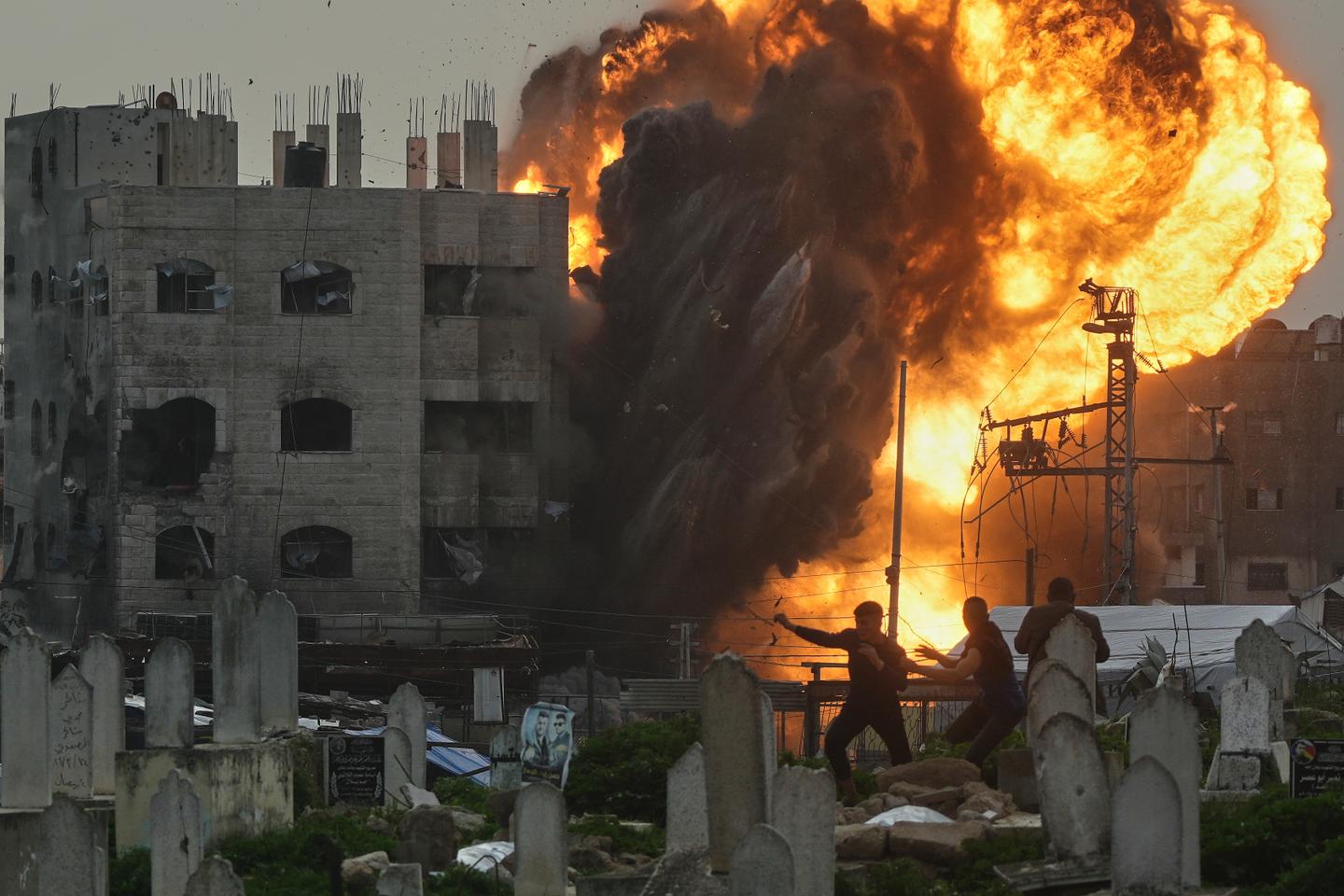
An independent field study published Feb. 18 in The Lancet Global Health finds Gaza's Hamas-controlled Ministry of Health underreported deaths from Israeli military operations by about 35%, rising to roughly 40% when including non-violent deaths (illness, malnutrition) indirectly caused by the war. The authors attribute the shortfall to chaos, difficulty recovering and identifying bodies, and missing official death declarations for entire families, a materially higher humanitarian toll that could affect international aid flows and geopolitical risk assessments.
Market structure: A 35–40% upward revision to Gaza fatalities materially increases expected humanitarian aid, medical supply and reconstruction demand vs official tallies—translate to incremental short-term donor flows of tens–hundreds of millions and multi-year reconstruction spend that could lift regional building-material and medical-supply revenues by low-to-mid single digits annually over 1–3 years. Immediate winners: defense contractors (budget justification), gold/FX safe-havens, specialized med-supply and logistics firms; losers: regional tourism/airlines, EM sovereign credit tied to Gulf risk, and short-duration local banks.
Risk assessment: Tail risks include regional escalation (Iranian direct involvement) producing an oil shock >+$20/barrel and a 200–300bp widening in regional sovereign CDS; low-probability but >5% conditional over 6–12 months. Short-term (days–weeks) expect safe-haven flows and volatility spikes; medium (months) expect fiscal responses (US/EU aid, defense appropriations) that re-price defense and supplier equities; long-term (years) expect reconstruction-driven cyclicality. Hidden dependency: official casualty reporting shapes public/policy response—further revisions could trigger funding/legislative moves.
Trade implications: Tactical trades should be volatility- and policy-driven: use capped option exposures into potential oil and safe-haven moves, selective long positions in large defense contractors and medical-supplies names for 6–12 months, and hedges via EM equity puts or CDS on vulnerable sovereigns for 3 months. Prefer option structures (call spreads, protective puts) to limit downside while capturing asymmetric upside from geopolitical escalation; size positions small (1–3% each) until policy signals firm.
AI-powered research, real-time alerts, and portfolio analytics for institutional investors.
Request DemoOverall Sentiment
neutral
Sentiment Score
0.00
Contrarian angles: Consensus focuses on headline volatility; market may underprice durable reconstruction and med-tech demand—this is a multi-year cashflow story, not just a blip. Conversely, immediate oil/gold spikes historically mean-revert within 3–6 months absent supply shock; therefore avoid outright long commodity futures without defined exits. Catalysts to flip trades: explicit Iranian military involvement, US defense package passage, or UN/NGO funding surges.
