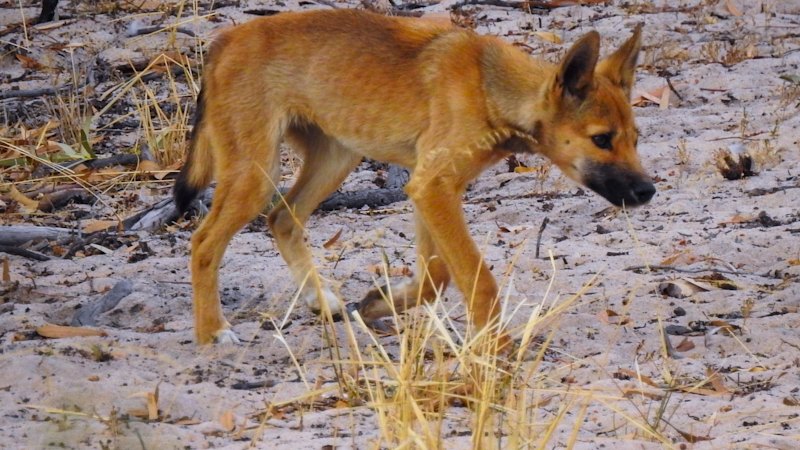
Victoria’s recent bushfires have burned almost 400,000 hectares—nearly matching the 450,000 hectares destroyed in the 2009 Black Saturday fires—and have affected a wide range of ecosystems from the Big Desert to the Otways and Gippsland. More than 58,000 hectares around Wyperfeld National Park and the entirety of Mount Lawson State Park are reported damaged, imperiling genetically distinct dingo populations (estimated under 100 adults last year) and multiple critically endangered species; authorities are beginning wildlife assessments and advocates are pressing for water deliveries and post-fire feral-animal control, implying potential conservation costs and operational deployments by government agencies.
Market structure: Near-term winners are firms tied to reconstruction, aerial/satellite imagery and global reinsurers as catastrophe pricing re-rates; losers are domestic primary insurers (IAG, QBE Australia exposure, SUN.AX) and regional tourism operators (QAN.AX, FLT.AX) from immediate demand destruction. Expect a 3–12 month shift: reconstruction capex (roads, water delivery, firebreaks) increases pricing power for large contractors (CIM.AX/CPB) while timber and seedling supply tightness can lift input prices 5–20% over 6–24 months. Reinsurance capacity tightness will transmit higher premiums into next renewals (6–12 months).
Risk assessment: Tail risks include a larger-than-expected insured loss (AUD 0.5–2.0bn) forcing emergency reserve raises, or sustained dry conditions causing a multi-season recovery that pressures agriculture and tourism revenues into 2027. Immediate (days) impacts are cash claims and travel disruption; short-term (weeks–months) are reserve adjustments and government capex announcements; long-term (years) are ecosystem collapse driving regulatory changes (stricter land management, new building codes). Hidden dependencies: insurance loss estimates drive stock moves; government bond issuance to fund recovery could widen Victorian spreads 10–40bp and pressure AUD if fiscal response is large.
Trade implications: Direct plays: short domestic primary insurers tactically (puts 1–3 month) if market underestimates claims; long global reinsurers (RNR, MUV2.DE) and reconstruction contractors (CIM.AX) for 6–18 months. Options: buy short-dated puts on QAN.AX and FLT.AX to hedge tourism exposure; buy calls or long-dated equity on imagery/sensor providers (PL, MAXR, NEA.AX) to capture recurring monitoring demand. Rotate from consumer discretionary exposure in affected regions into industrials/defence contractors and environmental services.
AI-powered research, real-time alerts, and portfolio analytics for institutional investors.
Request DemoOverall Sentiment
moderately negative
Sentiment Score
-0.50
Contrarian angles: The consensus will focus on headline insurance losses and sympathy selling of insurer equities; this may be overdone — core reinsurers will see margin tailwinds and primary insurers with diversified portfolios may recover within 3–6 months. Historical parallels (Black Summer 2019–20) show heavy short-term hits then selective multi-year winners in construction, remote sensing and reinsurance; mispricings likely in small-cap environmental services and imagery providers where demand is structural and under-allocated. Watch for unintended consequences: rapid reinsurance repricing could reduce insurance availability for high-risk properties, prompting regulatory intervention that compresses insurer margins further.
