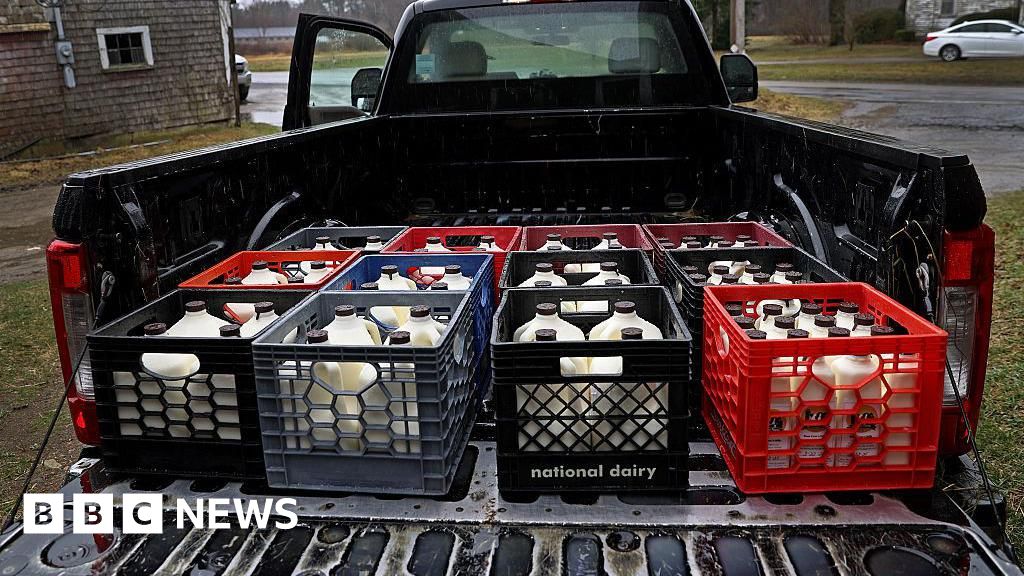
A newborn in New Mexico died from a listeria infection officials say was likely linked to the mother’s consumption of raw (unpasteurised) milk, prompting health warnings that raw dairy can carry Listeria and other pathogens; neonatal listeria carries a 20–30% mortality rate. The story highlights a recent resurgence in raw-milk demand driven by influencers and political advocates, while commercial sellers such as Ballerina Farm have paused raw-milk sales after testing found violations. Expect heightened public-health advisories and potential regulatory scrutiny that raise reputational and compliance risks for producers and retailers in the raw-dairy supply chain.
Market structure: The New Mexico listeria death tightens regulatory and consumer preference tails toward pasteurised supply chains and third‑party verification. Expect incremental share gains for industrial pasteurisers, major grocery chains and commercial food‑safety vendors; retail milk demand could re‑concentrate with a 1–3% shift from direct‑farm channels into mainstream retail over 3–12 months if multiple states issue advisories.
Risk assessment: Tail risks include rapid federal action (FDA/CDC outbreak linkage) or a political reversal legalising raw milk (advocated by high‑profile figures) — each would move markets sharply in opposite directions. Immediate impact (days) is reputational shocks to influencer brands; 30–90 days brings regulatory guidance and testing demand spikes; 6–24 months could see consolidation or compliance cost increases for small dairies.
Trade implications: Direct beneficiaries are listed food‑safety and lab equipment names (Neogen NEOG, Danaher DHR, Thermo Fisher TMO) and large grocers (Kroger KR, Walmart WMT) at the expense of niche natural/organic grocers (Sprouts SFM, HAIN). Volatility in testing stocks should compress into actionable call spreads over 3–6 months if state advisories or recalls appear; milk commodity moves likely modest but monitor CME Class III for >2% moves.
Contrarian angles: Consensus foresees tighter rules; missing is probability of political/legal rollback which would reverse flows and hurt lab‑testing wins. If influencer brands are scapegoated, enforcement may be patchy — creating a >25% downside to small‑cap lab names priced for a regulatory boom. Historical parallels: 2015–2016 food recalls showed testing vendors spike 15–40% within 3–6 months then mean‑revert.
AI-powered research, real-time alerts, and portfolio analytics for institutional investors.
Request DemoOverall Sentiment
moderately negative
Sentiment Score
-0.35
