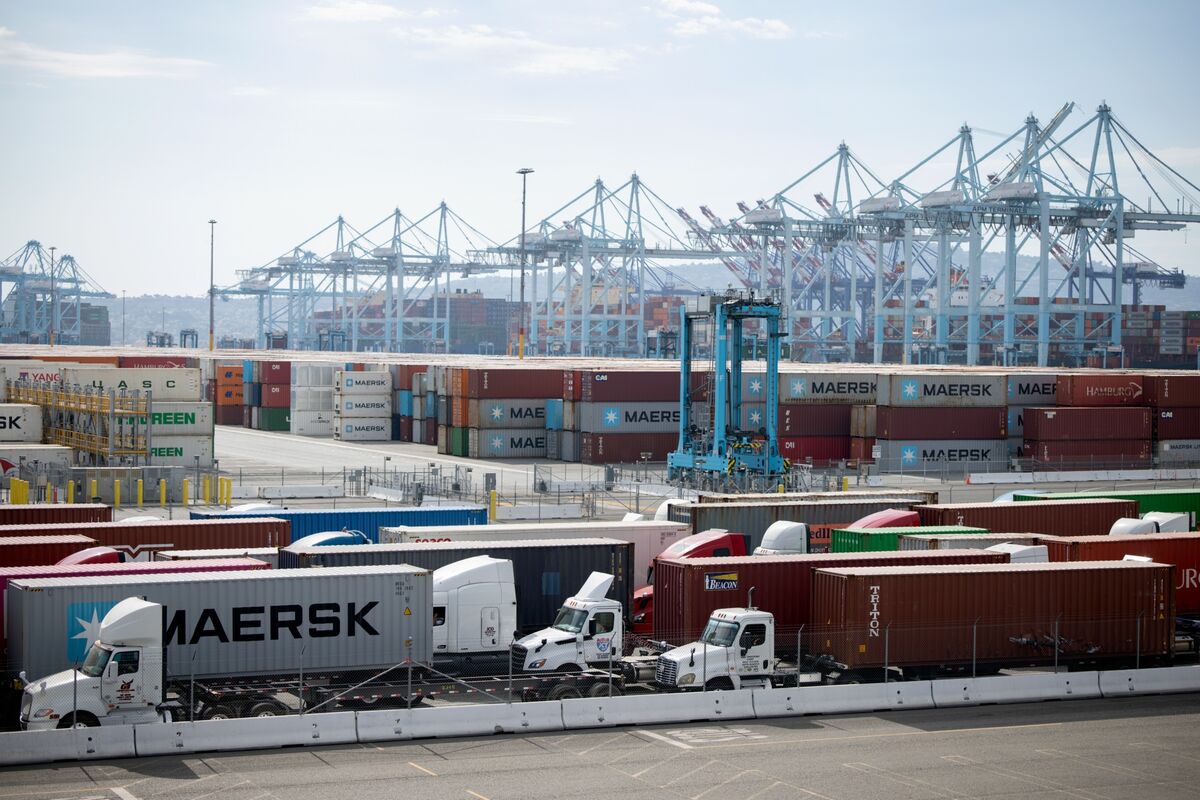
The OECD reports the global economy is proving more resilient to U.S. trade tariffs than expected, attributing a boost to strong investment in artificial intelligence alongside supportive fiscal and monetary policies. Paris-based OECD economists have raised growth forecasts for the U.S. and the euro area for this year and next and made modest upward revisions for other major economies, reducing downside risk from trade tensions and supporting a more constructive macro outlook for risk assets.
Market structure: Accelerated AI-driven capex skews winners to dominant semiconductor and cloud infrastructure suppliers (NVDA, ASML, LRCX, AMAT, MSFT, GOOGL) who gain pricing power and order visibility; tariff resilience reduces near-term downside for multinational manufacturers but preserves margin pressure for low-margin import-reliant retailers and small exporters. Supply/demand: semiconductor equipment backlog + continued AI server build implies tight chip supply and higher industrial metal demand (copper, oil) for 6–24 months; equity vols likely compress while real yields drift higher as growth/price-level risks reprice.
Risk assessment: Tail risks include tariff escalation with China (low prob, high impact), rapid AI regulation limiting monetization, or sudden Fed tightening if core inflation re-accelerates; watch 10y Treasury yield breaching 3.75% as a deleveraging trigger. Time horizons: immediate (days) — CPI, tariff headlines; short (weeks–months) — Q1 capex/earnings guides; long (quarters–years) — structural AI concentration risk and supply-chain bottlenecks around EUV tools and TSMC capacity.
Trade implications: Favor concentrated long exposure to large-cap AI/semiconductor leaders and capital goods (NVDA, SMH, ASML, LRCX) while reducing cyclically-vulnerable small-cap exporters and tariff-exposed retail (XRT). Use options to express conviction (3-month call spreads into earnings for NVDA; calendar or long-dated calls on ASML/AMAT). Manage macro: shorten duration and add commodities exposure (COPX or copper futures) to hedge reflation.
Contrarian angles: Consensus underestimates concentration risk — most incremental AI spend is by hyperscalers, so mid-cap AI plays may disappoint; implied vols on semis/AI names are tight ahead of earnings (possible gamma squeeze if guidance misses). Historical parallel: 2018 tariffs showed temporary trade volatility but durable capex can re-rate winners — trade sizing and stop thresholds matter to avoid crowding losses.
AI-powered research, real-time alerts, and portfolio analytics for institutional investors.
Request DemoOverall Sentiment
moderately positive
Sentiment Score
0.45
