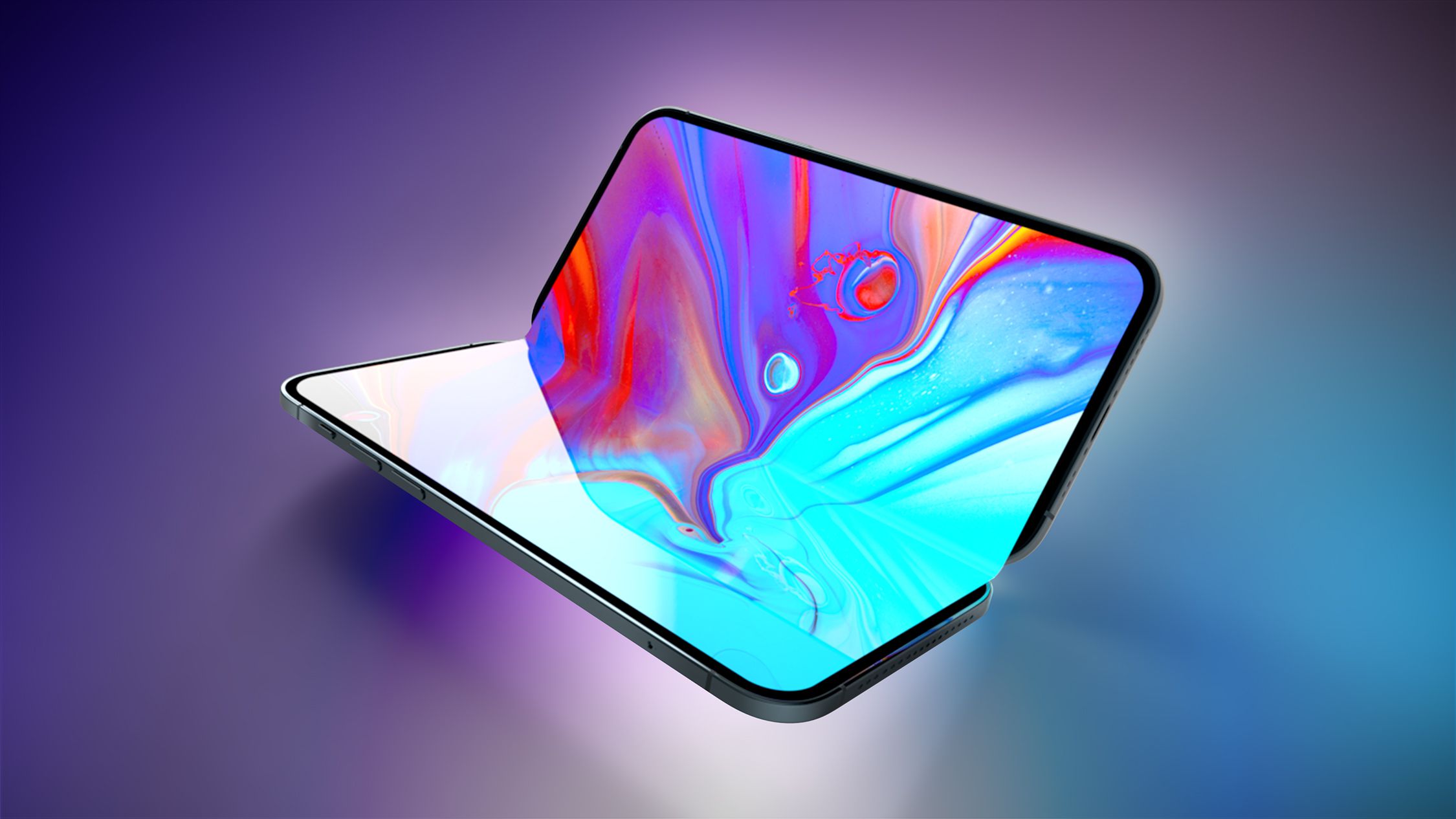
Apple's first foldable iPhone, the rumored "iPhone Ultra," is expected to launch at $1,999+ but may omit at least five features found on iPhone 18 Pro models, including Face ID/TrueDepth, a telephoto camera, MagSafe, the Action button, and a physical SIM slot. The device is also expected to rely on Touch ID and eSIM-only connectivity, with dummy models suggesting a super-thin 4.5mm design. The article is speculative, but the feature trade-offs could shape consumer reception if the product launches in the fall.
The market implication is less about one foldable launch and more about Apple signaling a willingness to sell a premium SKU with visible feature downgrades. That matters because Apple’s pricing power historically comes from bundling design novelty with best-in-class utility; if the first foldable is perceived as a compromise device, the halo effect can dilute rather than expand upgrade demand, especially among the Pro base that already stretches ASP tolerance.
Second-order, the likely winners are accessory and component suppliers that benefit from a thinner, simpler platform and a more constrained bill of materials, while losers include vendors tied to Face ID, MagSafe ecosystem attach, and premium camera modules. A foldable without full flagship parity also creates an opening for Android foldables to defend share on functionality per dollar, not just on form factor, which could slow Apple’s expected category expansion into high-end handset replacement cycles.
The key catalyst window is the 1-2 quarters into prelaunch rumor digestion and then the first 60-90 days after unveiling, when consumers and analysts can finally benchmark the compromise set against the $2,000 price. If reviews confirm missing core features, the stock risk is less immediate unit-share loss and more a compression in expected mix uplift: investors may be underwriting a new high-ASP halo product, while Apple may actually be introducing a niche device with lower-than-expected attach rates and limited incremental margin.
Contrarianly, the move may be underappreciating Apple’s ability to use scarcity and novelty to offset feature omissions. If the device is positioned as a design object rather than a replacement for Pro Max, early demand could still be robust, and the more important question becomes whether Apple’s ecosystem retains users despite hardware tradeoffs. The market should watch for any sign that Apple is bundling services, financing, or trade-in support to mask the sticker shock; that would be the tell that the company itself expects the hardware story alone to be insufficient.
AI-powered research, real-time alerts, and portfolio analytics for institutional investors.
Request TrialOverall Sentiment
mildly negative
Sentiment Score
-0.15
Ticker Sentiment
