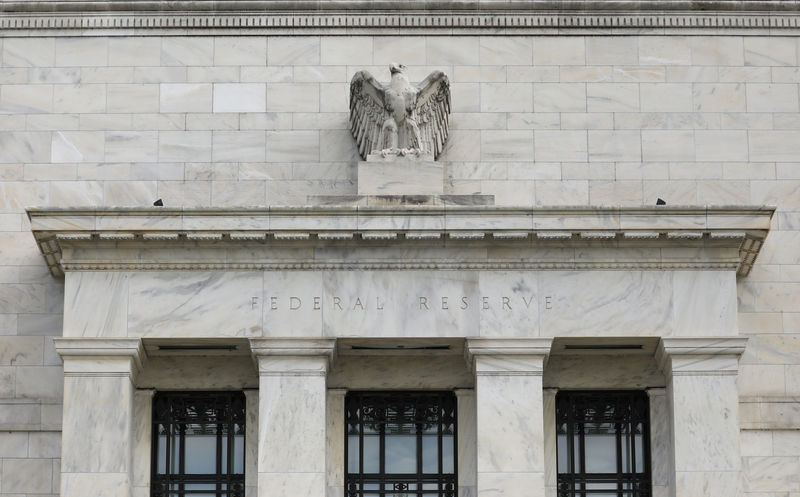
The Fed's balance sheet is about $6.6 trillion (down from a ~ $9 trillion peak in 2022) and bank reserves are roughly $3 trillion. Dallas Fed President Lorie Logan said the current ample-reserves framework is efficient and warned that forcing banks to economize reserves would raise system risk. She advocated regulatory changes and broader access to Fed liquidity facilities (including the discount window) to shift reserve demand inward and reduce reserve levels while preserving financial-stability benefits. Logan emphasized that balance-sheet growth is acceptable if it serves the public and the Fed's mission.
If the Fed can credibly shift the demand curve for reserves inward via regulatory tweaks and broader standing facilities, the mechanical outcome is not simply a smaller balance sheet but a reallocation of liquidity into marketable instruments (T-bills, repo, RRP) and dealer balance sheets. That reallocation raises short-term funding velocity and lifts term premia: expect pressure on the belly-to-long end of the curve as dealers and MMFs absorb duration that was previously parked as reserves. Timing: market microstructure adjustments begin within weeks of policy signals; the full re-pricing of term premia and dealer balance-sheet normalization will play out over 3–12 months.
Winners in that regime are liquidity aggregators and intermediation-heavy franchises — prime MMF managers, Treasury dealers and GC repo providers — who earn fees and hold the market-making rents from higher turnover. Banks that earn margin on lending rather than hoarding interest-free reserves also benefit (regional banks with strong loan pipelines), while custodial and large deposit-heavy banks that relied on ample reserves for liquidity cushions may see higher funding volatility. Second-order effects include increased repo haircuts during stress (more procyclicality) and a larger role for private liquidity providers, which raises tail risk for nonbank credit during market dislocations.
Key catalysts to watch: Fed technical guidance on facility access and any concrete rule changes (quarterly to semiannual cadence), dealer balance-sheet metrics (weekly), and repo/RRP utilization (daily). Tail risks that would reverse the move include a sudden liquidity shock or reputational constraints on discount window usage that force banks back into holding large reserves, or a macro-driven flight to safety that compresses term premia. For portfolio construction, treat this as a multi-month macro regime shift with asymmetric outcomes: modest upside for intermediation/short-duration assets but binary downside if stress returns and the safety premium spikes.
AI-powered research, real-time alerts, and portfolio analytics for institutional investors.
Request DemoOverall Sentiment
neutral
Sentiment Score
0.00
