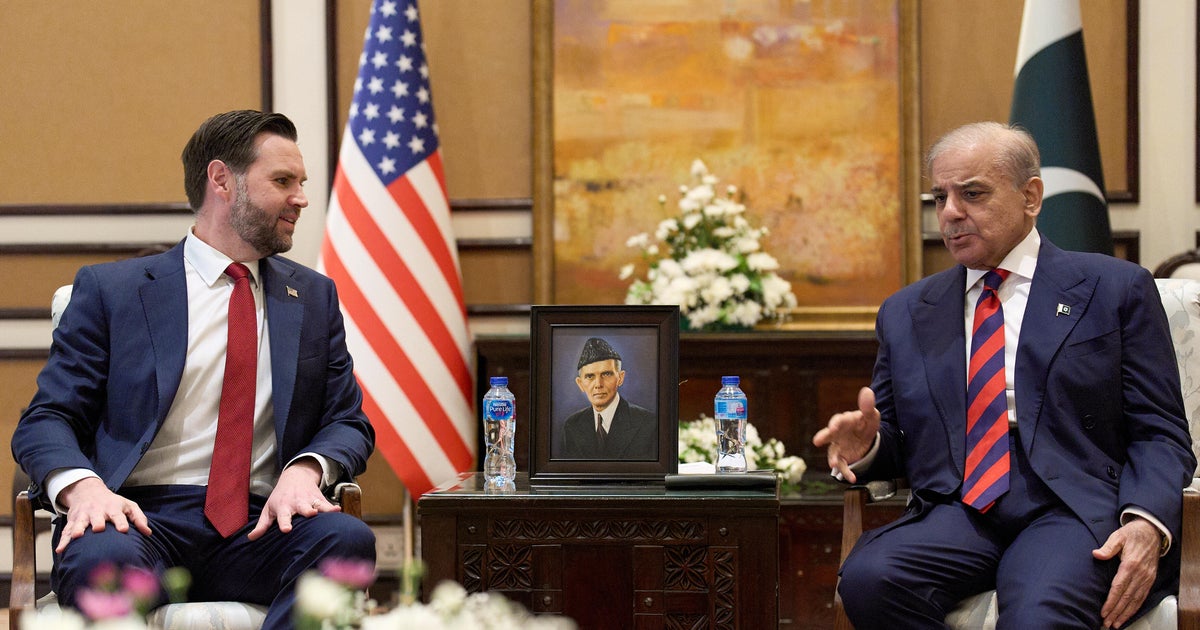
The Iran war is driving major market disruption, with the Strait of Hormuz still operating at only about 10% of normal pace and U.S. Navy ships beginning mine-clearing operations. Brent crude has surged to $96.98, U.S. CPI rose to a 3.3% annual rate in March, and shipping, energy, and regional supply chains remain under severe strain. High-stakes U.S.-Iran-Pakistan talks in Islamabad are ongoing, but officials say no agreement has yet been reached on ceasefire terms, frozen assets, or Hormuz access.
The market is still underpricing how sticky the dislocation can be even if headline diplomacy improves. The first-order move is energy price relief, but the second-order trade is a normalization of shipping insurance, tanker availability, and working-capital cycles across Asia and Europe; those effects lag the ceasefire by weeks, not hours. If the waterway remains even partially constrained, the bigger macro winner is not crude itself but volatility across freight, refining cracks, and inflation breakevens.
The most interesting asymmetry is that supply-chain relief can coexist with regional asset-specific damage. A successful de-escalation would compress geopolitical premia fast, but any renewed mine threat or proxy strike re-prices the entire Gulf logistics chain, including tankers, ports, and insurer balance sheets. That makes the near-dated catalyst set binary: day-to-day headlines can swing oil and shipping names far more than the underlying military balance.
PLTR is a secondary beneficiary in a different sense: conflict validation helps the “war-fighting OS” narrative, but this is likely a short-duration sentiment tailwind rather than a durable fundamental rerating. The deeper question is whether defense-tech procurement accelerates after a live conflict demonstration; if so, the upside is in backlog conversion and government budget share, not in the current quarter. TTE is more vulnerable because upstream cash flows are exposed to a normalization in energy prices, while any refinery outage or shipping bottleneck means margins can stay volatile even as crude eases.
Consensus may be too linear on both peace and war. If talks fail, the market likely overreacts to the first spike in Brent, but the cleaner trade is around persistence of elevated transport and insurance costs rather than spot oil alone. If talks succeed, the unwind could be sharper than expected because positioning is crowded in defensive energy exposure and underowned in beneficiaries of lower input costs.
AI-powered research, real-time alerts, and portfolio analytics for institutional investors.
Request DemoOverall Sentiment
strongly negative
Sentiment Score
-0.72
Ticker Sentiment
