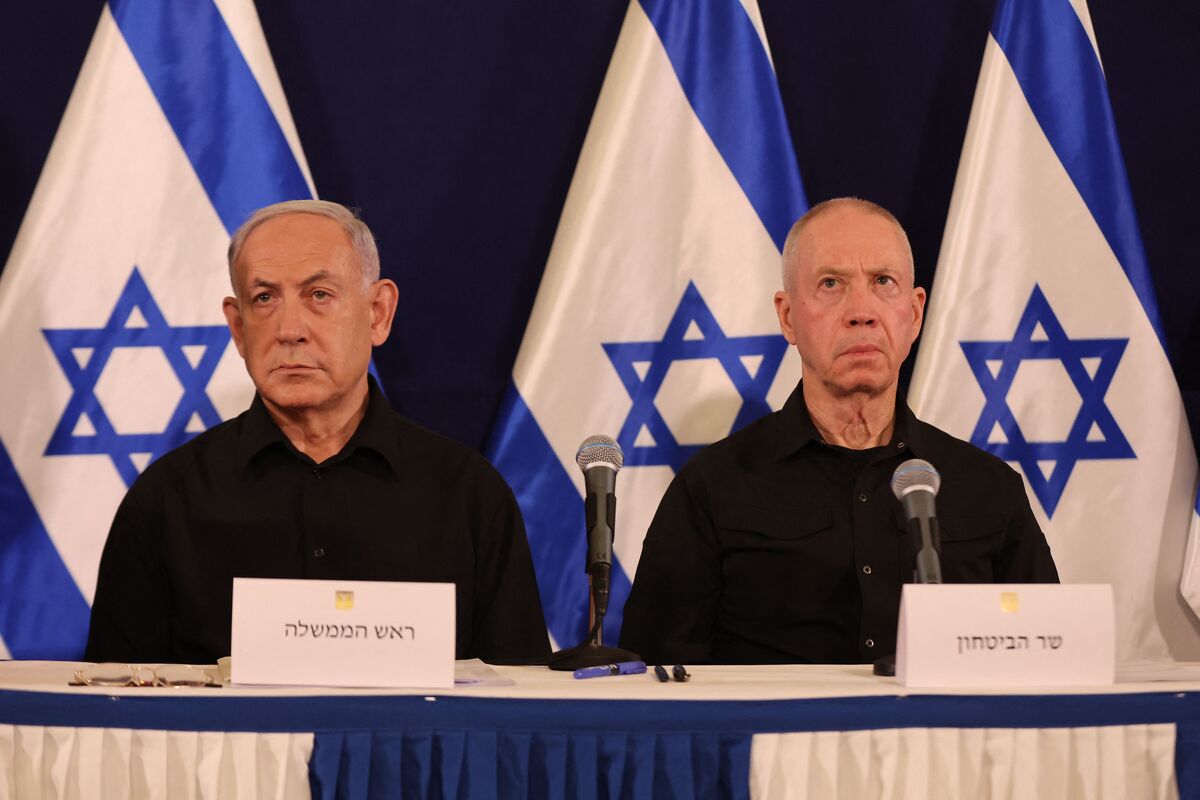
The International Criminal Court (ICC) issued arrest warrants for Israeli Prime Minister Benjamin Netanyahu and the nation’s former defense minister in November for alleged war crimes in the Gaza Strip, prompting strong condemnation from Israel, which denies the charges. The U.S. government has also criticized the ICC, with former President Trump calling the warrants "baseless" and his administration sanctioning ICC judges. Despite the warrants, Hungary, an ICC member, refused to arrest Netanyahu during a visit, further challenging the court's authority.
The International Criminal Court's (ICC) issuance of arrest warrants in November for Israeli Prime Minister Benjamin Netanyahu and the nation's former defense minister, citing alleged war crimes in the Gaza Strip, has elicited a strong rebuke from Israel, which denies the allegations and attributes the ICC's actions to "anti-Semitic hatred." This geopolitical tension has been amplified by the United States; the Trump administration termed the warrants "baseless" and subsequently, on June 5, announced sanctions against four ICC judges over purported "transgressions" against the US and Israel. Further undermining the ICC's authority, Hungary, an ICC member state, refused to arrest Netanyahu during an April visit and expressed intentions to withdraw from the tribunal, a stance supported by its Prime Minister Viktor Orban. While the provided signals indicate a neutral sentiment (score 0.0) and a very low immediate market impact (score 0.05) from this specific development, these events underscore escalating challenges to international legal institutions and contribute to the broader geopolitical risk environment, particularly within the themes of "Geopolitics & War," "Legal & Litigation," and "Sanctions & Export Controls."
AI-powered research, real-time alerts, and portfolio analytics for institutional investors.
Request DemoOverall Sentiment
neutral
Sentiment Score
0.00
